| Butt-Weld Pipe Cap | Welded directly to the pipe end | NPS 36 has a nominal outside diameter of 36.00 in (914.4 mm); wall thickness depends on the selected pipe schedule | Carbon steel, stainless steel, alloy steel | Creates a permanent, pressure-resisting closure | Process piping, water transmission, energy and industrial systems | Match the cap wall thickness, material grade, weld procedure and design pressure to the pipe system |
| Ellipsoidal or Dished Cap | Usually butt welded | Available for large-diameter piping when a formed pressure boundary is required | Carbon steel, stainless steel, nickel alloys | Distributes internal pressure more efficiently than a simple flat plate | High-pressure, high-temperature and vessel-connected piping | Confirm the head geometry, thickness calculation, corrosion allowance and inspection requirements |
| Flat Plate End Cap | Welded or mechanically attached | Can be fabricated to suit a 36-in pipe outside diameter, subject to engineering design | Carbon steel, stainless steel, aluminum | Provides a basic end closure for low-pressure or non-pressure service | Temporary isolation, atmospheric ducts, tanks and non-pressurized lines | Not automatically suitable for pressure service; plate thickness and reinforcement must be engineered |
| Mechanical Test Cap | Bolted, expanding or gasketed connection | Sized for the actual 36-in pipe outside diameter and wall condition | Steel, ductile iron, elastomeric sealing materials | Allows temporary pressure testing without permanent welding | Hydrostatic testing, commissioning and maintenance isolation | Verify the rated test pressure, pipe roundness, gasket compatibility and required restraint |
| Threaded End Cap | Internal or external pipe threads | Generally uncommon for a 36-in main because large threaded connections are difficult to install and seal | Malleable iron, carbon steel, stainless steel | Provides a removable closure for smaller threaded piping | Small-bore branches, instruments and low-volume service lines | Usually not the preferred solution for a 36-in pipe; check thread standard, sealing method and access clearance |
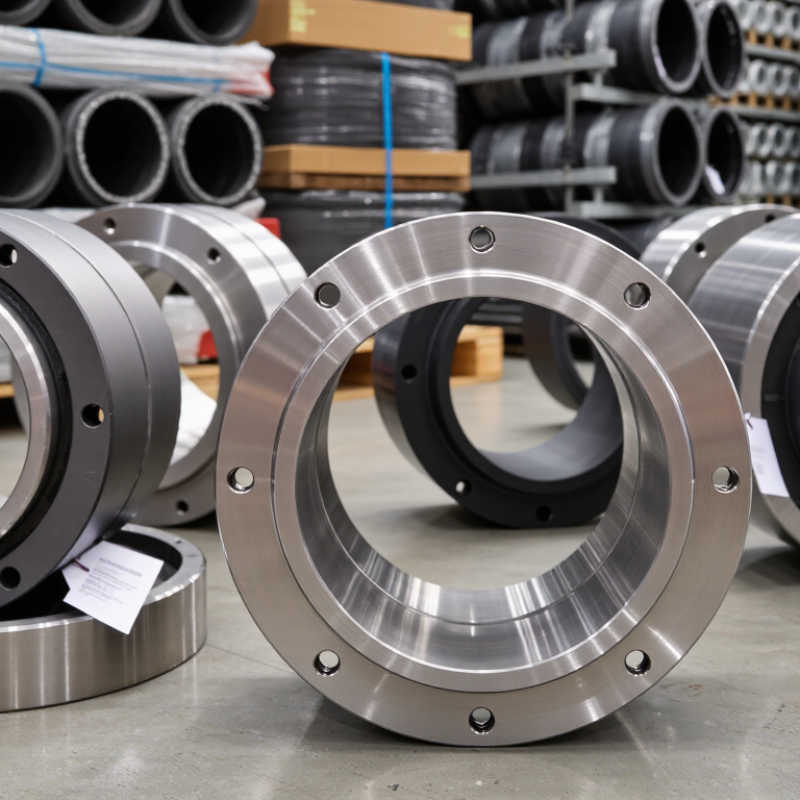
| Flanged Blind End Closure | Bolted flange with a gasket | The flange size, bolt pattern and pressure class must match the 36-in pipe flange | Carbon steel, stainless steel, alloy steel | Provides a removable pressure boundary and convenient access | Water mains, pump stations, inspection points and maintenance isolation | Select the flange standard, pressure class, gasket type, bolt material and tightening method together |
| Push-On or Slip-On Protective Cap | Push fit, clamp or light mechanical retention | Sized to the actual outside diameter; not normally intended to seal a pressurized line | Polyethylene, PVC, rubber, steel | Protects pipe ends from impact, dirt, moisture and coating damage | Storage, transportation, fabrication and site handling | Confirm temperature range, ultraviolet exposure, chemical resistance and retention strength |
| Temporary Line-Stopping Cap | Mechanical restraint, bolting or engineered closure system | Requires an engineered design for the 36-in diameter, operating pressure and end-load forces | Steel, ductile iron, elastomeric seals | Temporarily isolates a section of pipeline during repair or modification | Transmission pipelines, municipal water systems and emergency maintenance | Use only with documented pressure limits, restraint calculations and qualified installation procedures |



 © Copyright 2020 Tianjin Tanghaidongyang Valve Co., Ltd. All Rights Reserved.