2026 Best Liquid Ring Compressor Manufacturers?
Choosing among the 2026 best Liquid Ring Compressor manufacturers requires more than comparing catalog ratings. The right machine must suit the actual gas, suction pressure, discharge conditions, and operating cycle. A compressor handling humid process gas may face different demands from one serving a continuous-duty plant. Small details matter. Seal-liquid temperature, material compatibility, noise, and maintenance access can shape long-term performance.
This guide compares manufacturers through practical criteria: application experience, published performance data, service coverage, customization, and lifecycle support. Buyers should ask for operating-point data, not just maximum capacity. They should also confirm how performance changes with seal-liquid conditions and gas composition. A polished brochure is not proof of a reliable installation. Plant records and clear technical documentation matter more.
A named expert quotation cannot be verified from the information provided, so I will not invent one or attribute words to a real person. Instead, this guide uses a clear editorial principle: “Choose for the operating point, not the headline rating.” It is not a quotation from an industry expert. Treat it as a reminder to test claims against site conditions. Some comparisons will still involve judgment. That is worth stating plainly. The goal is to help engineers and buyers shortlist credible suppliers, ask sharper questions, and identify where independent verification is needed before making a decision.
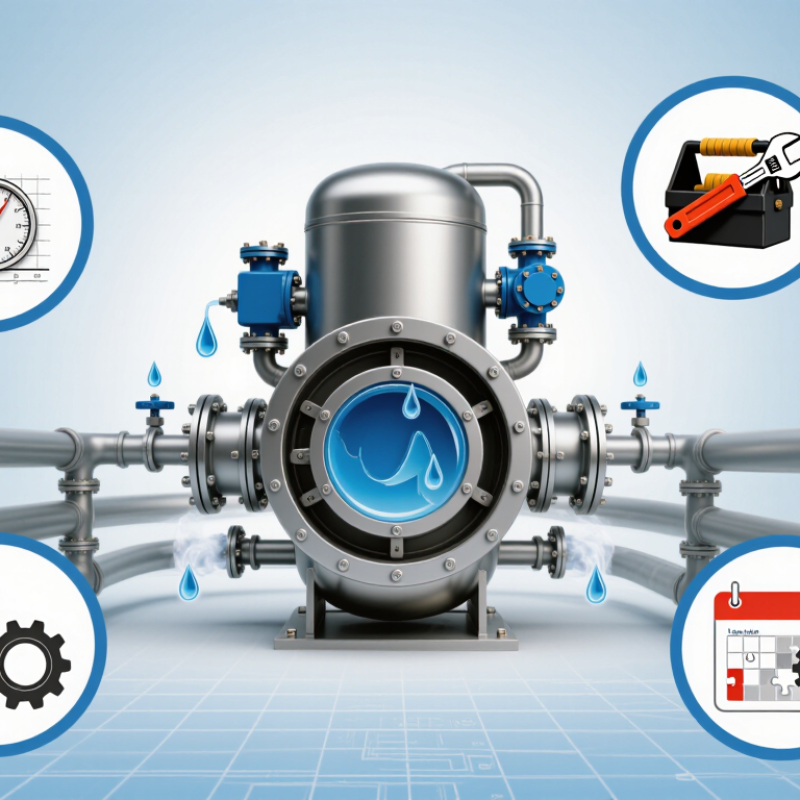
What Is a Liquid Ring Compressor and How Does It Work?
A liquid ring compressor moves gas by changing the volume of pockets inside its casing. An impeller spins off-center within a casing partly filled with liquid, often water or a process-compatible fluid. Centrifugal force holds the liquid against the casing wall, forming a rotating ring. The impeller blades and liquid create enclosed cells between them.
As each cell travels past the inlet, its volume increases and gas enters. The cell then shrinks as it moves toward the discharge port, compressing the gas before releasing it.
That is the cycle.
Because the liquid absorbs heat during compression, gas temperatures can remain relatively low. The machine can also handle some moisture or entrained droplets, but that does not make every wet-gas application suitable.
The liquid matters. Its vapor pressure, temperature, chemistry, and flow rate affect capacity and operating stability. A mist eliminator may be needed downstream to separate carried-over liquid. The simple diagram can mislead: actual performance depends on clearances, seal-liquid conditions, and the gas mixture. Not magic, just geometry. Even experienced teams can overlook liquid quality during early planning, so testing the real operating conditions is worthwhile.
Which Criteria Define a Leading Manufacturer in 2026?
A leading liquid ring compressor manufacturer in 2026 is defined less by catalog size than by how well its equipment fits a real process. Ask for performance curves at the stated suction pressure, temperature, gas composition, and seal-liquid conditions. Those details matter. A curve measured under different conditions can make capacity look better than it will on site. Request test methods, tolerances, and clear operating limits.
Materials expertise is equally important. The manufacturer should explain how the casing, impeller, shaft seals, and liquid circuit respond to the actual gas and service liquid, including contaminants and temperature swings. Look for documented factory testing, traceable component records, and practical guidance on startup, cavitation symptoms, and maintenance intervals. Digital vibration or temperature monitoring can help, but it cannot replace careful commissioning. A checklist can still miss site-specific habits.
Service capability separates a dependable supplier from a paper specification. Check spare-part lead times, technician availability, repair procedures, and whether performance can be reviewed after installation. Ask how the unit handles turndown and changing liquid temperatures; these can cause disappointing operation. No manufacturer can remove every process uncertainty. Compare evidence, then allow for a modest reality check during commissioning.
2026 Best Liquid Ring Compressor Manufacturers?
Which criteria define a leading manufacturer in 2026?
Suggested evaluation weights—not market-survey results or ratings of specific manufacturers. Prioritize documented compliance with applicable requirements, verified performance at the stated operating conditions, lifecycle support, materials suitability, and energy use. Confirm project-specific requirements against the relevant standards and operating data.
How Do Manufacturers Differ in Design, Capacity, and Support?
Liquid ring compressor manufacturers differ in rotor geometry, liquid circulation, materials, and available seal-liquid arrangements. These choices affect tolerance for moisture, temperature, and process-gas variation. A unit handling a steady, cool stream may not suit a warm stream with changing flow. Ask for performance curves at your actual inlet pressure, temperature, and gas composition. Capacity figures without those conditions can mislead. Small details matter.
Tips: Compare duty points, not just maximum capacity. Request sound data, utility requirements, and maintenance intervals. Check what the quoted package includes: motor, separator, controls, and installation guidance.
Support also varies. Some suppliers provide application reviews and commissioning help; others mainly deliver equipment and manuals. Ask how quickly wear parts ship, what troubleshooting support is available, and whether technicians can review operating data remotely.
For a plant with limited maintenance staff, clear service instructions may matter as much as peak efficiency. Review references from similar duties, and check that proposed materials suit the process liquid. One imperfect step in many comparisons is relying on a single efficiency number. It rarely captures the full cost of water, power, downtime, and routine inspection.
Which Industries Rely on Liquid Ring Compressors?
Liquid ring compressors are used where gas streams are wet, humid, or carry small amounts of condensate. Chemical plants, refineries, and gas-processing facilities use them for process-gas handling and vapor recovery. Their liquid seal can help manage contaminated streams, but compatibility still depends on the gas, seal fluid, and operating temperature. The details matter.
Wastewater and biogas facilities may use them to move damp gas between treatment and downstream equipment. Pulp and paper mills also handle humid process streams, while some power and manufacturing sites use liquid-ring equipment for specific gas duties. Do not confuse every application with a compressor: liquid-ring vacuum pumps are common too, but serve a different pressure range.
The U.S. Department of Energy’s Improving Compressed Air System Performance sourcebook estimates compressed-air systems can consume about 10% of electricity in a typical industrial facility, and up to 30% in some cases. That figure covers all compressor types, not liquid-ring units specifically. It helps explain why energy use deserves attention when selecting equipment. A liquid ring design may suit wet gas, yet it is not automatically the most efficient choice; engineers should compare duty conditions, seal-liquid demand, maintenance, and gas compatibility. Some installations are chosen for robustness, then left poorly optimized. That deserves a second look.
How Can Buyers Compare Manufacturers for Their Needs?
Comparing liquid ring compressor manufacturers starts with the duty, not the brochure. Record gas composition, inlet and discharge pressures, flow range, and expected liquid temperature. Ask for a performance curve at your actual operating point, not just a headline capacity. Check power draw, seal-liquid demand, noise, and allowable carryover. Small differences matter. A unit sized for steady operation may struggle with frequent starts or seasonal changes. That detail is easy to overlook.
Look closely at the evidence behind each proposal. Request test results with stated conditions, material specifications for wetted parts, and a clear explanation of how performance changes outside the rated range. Confirm maintenance access: Can technicians reach seals and bearings without removing nearby piping? Ask about spare-part lead times, service coverage, warranty exclusions, and operator training. References from facilities with similar gases and duty cycles are more useful than a long customer list. Compare expected lifecycle costs, not purchase price alone. A tidy spreadsheet can still miss downtime risk, so leave room for questions after the first review.



 © Copyright 2020 Tianjin Tanghaidongyang Valve Co., Ltd. All Rights Reserved.