2026 Top Double-Cavity Aluminum Profile What Buyers Need to Know
In the ever-evolving world of construction materials, the "Double-Cavity Aluminum Profile" stands out for its versatility and efficiency. According to industry expert John Smith, "The future of aluminum profiles lies in innovation and sustainability." His insights highlight the growing importance of understanding product features and market trends.
As buyers explore the benefits of Double-Cavity Aluminum Profiles, they need to consider various factors. These profiles are designed to meet structural demands while reducing weight. However, not all profiles offer the same performance or durability. Some might lack the stability necessary for larger projects.
With the 2026 market approaching, buyers must approach their decisions wisely. Detailed specifications, price comparisons, and supplier reliability are crucial. It is essential to recognize that not every option will meet every need. Flexibility in design must align with quality. Staying informed can make a significant difference in project success.
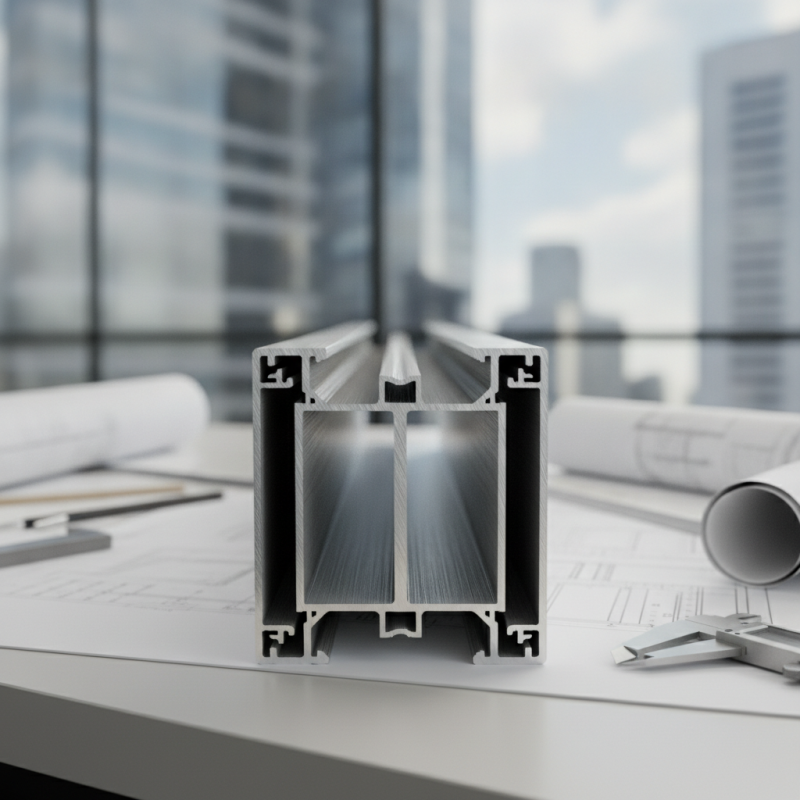
Understanding Double-Cavity Aluminum Profiles: An Overview
Double-cavity aluminum profiles are gaining traction in various industries. These profiles provide enhanced structural stability and adaptability for diverse applications. A recent report by the Aluminum Association highlights that the global aluminum market is expected to reach $190 billion by 2026. This significant growth reflects the rising demand for lightweight, durable materials.
Understanding double-cavity profiles is crucial for potential buyers. These profiles typically feature two enclosed chambers, allowing for better insulation and reduced thermal conductivity. According to a study by the International Energy Agency, using double-cavity designs can improve energy efficiency by up to 30%. This statistic underscores the importance of selecting the right profile for energy-conscious projects.
Yet, buyers face challenges. Quality control can vary greatly among manufacturers. Some profiles may not meet industry standards on insulation or durability. Researching suppliers thoroughly is essential to avoid pitfalls. It's advisable to ask for certifications and test results to ensure reliability. A deeper understanding of double-cavity aluminum profiles equips buyers to make informed decisions, ultimately leading to improved project outcomes.
Key Features and Benefits of Double-Cavity Designs
Double-cavity aluminum profiles are gaining traction in various industries. The design optimizes strength while reducing weight. This characteristic is crucial for sectors like automotive and aerospace. Reports indicate that structures using aluminum profiles can reduce weight by up to 30% compared to steel counterparts. This weight reduction leads to improved fuel efficiency, which is a pressing need in today’s eco-conscious market.
Another benefit of double-cavity designs is their thermal insulation properties. Aluminum's natural conductivity can be mitigated through its double-cavity construction. This helps maintain temperature control within buildings and vehicles. Studies estimate that proper insulation can lead to energy savings of about 20-30%. Additionally, the versatility of these profiles allows for innovative design solutions, which can enhance aesthetic appeal and functionality in applications.
Despite their advantages, challenges exist in the manufacturing and design processes. Precision is vital to ensure the integrity of the double-cavity structure. Any misalignment can compromise strength and insulation properties. Buyers must consider factors such as fabrication techniques and quality control. These elements are essential for performance, especially in critical applications. The increasing demand will likely drive advancements in manufacturing standards, but ongoing vigilance is necessary to maintain reliability.
Factors to Consider When Choosing Aluminum Profiles
When choosing aluminum profiles, several factors come into play. Buyers should start by examining the material's weight and strength. Lightweight profiles are easier to handle but may lack the strength needed for certain applications. Consider how much weight your project requires. Look for a balance between weight and durability.
Another important factor is the profile's corrosion resistance. Aluminum naturally resists corrosion, but various coatings can enhance this property. Outdoor applications demand higher resistance, especially in harsh environments. Evaluate whether additional treatments are necessary for your specific use.
Tips: Test profile strength by applying pressure or weight. This simple test reveals practical performance. Check for consistent thickness throughout the profile. Inconsistent thickness may indicate lower quality and affect structural integrity. Always review suppliers' technical data sheets. They provide essential information about performance and longevity.
2026 Top Double-Cavity Aluminum Profile - What Buyers Need to Know
| Profile Type | Applications | Key Features | Thickness (mm) | Weight (kg/m) |
| Standard Double-Cavity | Window Frames, Doors | Thermal Insulation, Security | 1.5 | 2.5 |
| Enhanced Strength | Industrial Applications | High Load Bearing | 2.0 | 3.2 |
| Slim Profile | Commercial Windows | Aesthetic Appeal | 1.2 | 1.8 |
| Weather Resistant | Outdoor Structures | Corrosion Resistance | 1.8 | 3.0 |
| Lightweight | Transportation | Easy Handling | 1.0 | 1.2 |
Popular Applications of Double-Cavity Aluminum Profiles
Double-cavity aluminum profiles are increasingly popular in various applications. These profiles offer enhanced strength while remaining lightweight. This balance makes them ideal for constructing frames, enclosures, and even automotive parts. They provide a robust solution that often meets both structural and aesthetic needs.
In construction, double-cavity profiles are widely utilized. They support windows and doors, ensuring durability and energy efficiency. Their design also allows for integrated insulation. In the automotive industry, these profiles contribute to reducing vehicle weight, improving fuel efficiency without sacrificing performance. The precise engineering required for these applications can be challenging, though it’s crucial for safety and functionality.
Additionally, double-cavity profiles are often used in the manufacturing of furniture. This trend is growing, as modern designs favor sleek, minimalist aesthetics. However, buyers should be cautious about quality and sourcing. Some manufacturers may not adhere to rigorous standards, leading to potential failures. Ensuring high-quality materials and construction is vital in these projects. As the market expands, understanding these profiles’ versatile applications can lead to more informed purchasing decisions.
Maintenance Tips for Longevity of Aluminum Profiles
Aluminum profiles, especially double-cavity models, are popular in construction and manufacturing due to their lightweight and durable nature. However, maintaining these materials is crucial for their longevity. Proper care can significantly extend their lifespan, which is critical given that industry reports suggest that well-maintained aluminum profiles can last for over 50 years in optimal conditions.
Regular cleaning is essential to avoid corrosion and staining. Using mild detergents with warm water is often recommended. Experts advise against harsh chemicals that can damage the protective layer. Additionally, inspections for scratches or dents should occur at least once a year. Such damage, if left unattended, can compromise the structural integrity over time.
Moreover, lubrication of moving parts is vital for operational efficiency. A study indicated that nearly 20% of aluminum profile failures are due to inadequate lubrication. An effective maintenance routine can include applying a silicone-based lubricant. These practices not only ensure functionality but can also prevent costly replacements down the line. Being proactive is key; once issues arise, they tend to escalate quickly.



 © Copyright 2020 Tianjin Tanghaidongyang Valve Co., Ltd. All Rights Reserved.