Certificates

Certificates

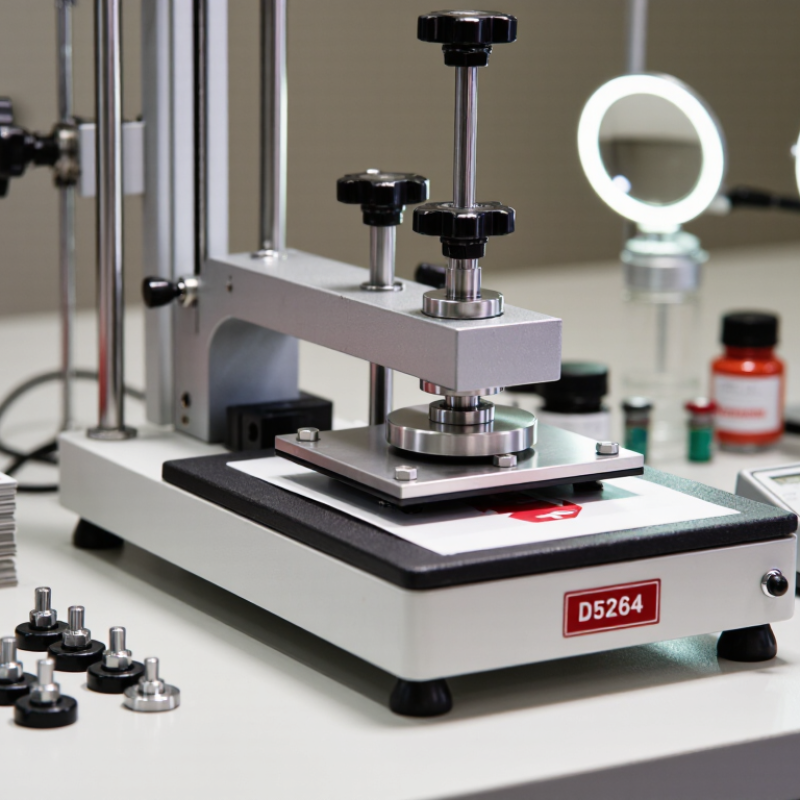
What Is the ASTM D5264 Sutherland Rub Tester

The ASTM D5264 Sutherland Rub Tester is a laboratory instrument for evaluating the rub resistance of printed materials. It helps determine how well ink, coating, or printed graphics withstand repeated contact. The test commonly uses controlled rubbing strokes, a specified load, and a receptor sheet. Visible scuffing, ink transfer, gloss change, or color loss can then be assessed.

In practical quality control, operators place a printed specimen beneath a weighted rubbing sled. The sled moves back and forth across the surface for a defined number of cycles. After testing, technicians compare the specimen with an untreated reference. They may also measure transferred ink or inspect surface damage under consistent lighting. Small details matter. Paper texture, ink curing, pressure, and humidity can influence the result.

ASTM D5264 provides a structured approach, but it does not remove professional judgment. Results should be reported with the material type, test conditions, cycle count, load, and observed failure. A single pass or fail statement may hide useful evidence. This method is valuable for packaging, labels, commercial printing, and coated substrates. However, laboratory rubbing may not perfectly represent transport, stacking, or customer handling. That limitation deserves attention. The tester supports informed decisions; it does not predict every real-world outcome. Experienced laboratories verify instrument condition, follow the applicable ASTM procedure, and document unexpected observations. Even minor transfer on a white receptor sheet can reveal a curing problem. Used carefully, the ASTM D5264 Sutherland Rub Tester turns a subjective durability concern into a repeatable, comparable evaluation.

What Is the ASTM D5264 Sutherland Rub Tester

Definition and Purpose of the ASTM D5264 Sutherland Rub Tester

The ASTM D5264 Sutherland Rub Tester is a laboratory device used to assess the abrasion resistance of printed materials. Its main purpose is to show how well ink, coating, or printed graphics withstand repeated rubbing. This matters when packaging slides against cartons, conveyors, display shelves, or other surfaces during handling.

In a typical test, a printed specimen is secured on a flat platform. A weighted sled moves back and forth across the print for a controlled number of cycles. Technicians then inspect the rubbed area for ink transfer, fading, scuffing, or surface damage.

The method helps compare substrates, inks, coatings, and curing conditions under repeatable pressure and motion.

ASTM D5264 supports consistent evaluation, but it does not guarantee identical results in every laboratory. Paper texture, moisture, sample preparation, load selection, and visual judgment can influence the outcome. Real testing is less tidy. A clean-looking specimen may still show measurable color loss, while a visibly scuffed sample may remain acceptable for its intended use. Experienced technicians should record the cycle count, load, rubbing material, conditioning environment, and evaluation criteria. Photographs can improve traceability, but they should not replace documented observations. The tester provides useful evidence, not a complete prediction of field performance.

Key Components and Operating Principles

What Is the ASTM D5264 Sutherland Rub Tester?

The ASTM D5264 Sutherland Rub Tester evaluates how printed surfaces resist rubbing, scuffing, and ink transfer. It uses controlled mechanical contact to imitate handling during production, packing, or transport. The main components include a motorized reciprocating arm, specimen holder, rubbing sled, calibrated weight, stroke counter, and control panel. The arm moves the sled across the printed sample at a defined speed and distance. Pressure comes from the selected load. Friction then reveals weak adhesion or poor surface durability.

Before testing, operators should condition samples under controlled temperature and humidity. They should also record substrate type, ink system, coating, load, stroke count, and test speed. A clean, flat specimen matters. Small particles can create misleading scratches. After testing, the operator compares visible scuffing, color loss, or transferred ink using a consistent evaluation method. Photographs can support the record, but visual judgment still needs trained review. One result is not the whole story. Variations in drying time or coating thickness may affect repeatability.

Tips: Keep the rubbing sled clean and inspect its contact surface before each run. Align the specimen carefully, because uneven placement can change pressure. Run reference samples regularly. If results seem unusual, repeat the test instead of forcing a convenient conclusion. The method improves control, but it cannot remove every real-world handling condition.

Test Procedure for Measuring Print and Coating Resistance

What Is the ASTM D5264 Sutherland Rub Tester

The ASTM D5264 Sutherland Rub Tester measures print and coating resistance under controlled rubbing. This matters when cartons, labels, or flexible packaging face stacking, transport, and repeated handling.

Smithers reported that the global packaging market reached about US$1.17 trillion in 2023. The same report projects approximately US$1.33 trillion by 2028. More printed surfaces mean more opportunities for abrasion failures.

The test procedure starts with conditioned specimens

The test procedure starts with conditioned specimens, usually at 23 ±2°C and 50 ±5% relative humidity. Cut the sample cleanly, then secure it on the tester bed. A standard receptor material rubs against the printed surface under a defined load and stroke count.

Many laboratories use a 2-pound load, but the selected setup must match the method, product, and laboratory procedure. Inspect ink transfer, coating loss, scuffing, gloss change, and exposed substrate after testing.

Run multiple specimens from different areas of the sheet. One attractive result can hide uneven curing or weak adhesion.

ASTM D5264 supports comparison, but it does not predict every real distribution condition.

Smithers’ packaging data also highlights the importance of durable, efficient packaging performance as volumes grow. In practice, I would record humidity, coating batch, drying time, load, cycles, and visual grading.

Human scoring remains useful, yet it introduces judgment. That weakness deserves review.

How to Interpret Sutherland Rub Test Results

The ASTM D5264 Sutherland Rub Tester evaluates how printed surfaces resist rubbing. It can reveal ink transfer, scuffing, gloss loss, or coating damage. During testing, a printed sample is rubbed against a specified material under controlled pressure. The operator records the number of cycles and examines the surface afterward.

Interpreting results requires more than reading the cycle count. A higher cycle value usually indicates better resistance, but it does not guarantee field performance. Compare the tested sample with an approved reference sample whenever possible. Examine both the test specimen and the rubbing material. Dark transfer, blurred text, exposed fibers, or a dull patch may indicate failure. Lighting matters, too. A mark visible under bright inspection may disappear in ordinary use. This can create disagreement between operators. Results should include test conditions, load, rubbing material, cycle count, and visual observations. Without these details, the number becomes difficult to trust.

Tips: Use samples from different production areas, not only one convenient sheet. Condition them before testing when humidity or temperature may affect the coating. Photograph the surface before and after rubbing. Record borderline changes instead of forcing a simple pass or fail. Small differences can matter. Repeat questionable tests, but do not discard inconvenient results. A clean result may still mislead if the printed surface was unusually smooth or recently produced. Experience helps, yet consistent procedures remain more reliable than personal judgment.

Applications, Benefits, and Testing Considerations

What Is the ASTM D5264 Sutherland Rub Tester

The ASTM D5264 Sutherland Rub Tester evaluates scuff resistance on printed and coated surfaces. It uses controlled pressure, repeated strokes, and a specified rubbing medium. Technicians inspect ink transfer, gloss change, color loss, or surface damage after testing. The method helps laboratories compare samples under consistent conditions.

Applications include folding cartons, labels, flexible packaging, brochures, and coated paper. Converters can compare inks, varnishes, laminations, and curing conditions before production. Quality teams may use results to investigate scuffing during stacking, shipping, or retail handling. The test also supports process validation when a coating formula changes. Small differences become visible.

Several testing considerations affect reliability. Condition specimens under controlled temperature and humidity before testing. Record the load, stroke count, rubbing material, specimen direction, and evaluation method. Keep the sample flat and aligned. A slight angle can produce uneven contact and misleading results. Calibrate the instrument according to laboratory procedures and monitor the rubbing surface for contamination.

Visual ratings involve human judgment, especially when damage is subtle. Digital color measurement can improve consistency, but it does not replace practical inspection. A low result may reflect poor curing, rough substrate texture, or excessive pressure. It is not always a complete product failure. The method is valuable, but not perfect. Use it with production knowledge, material specifications, and additional performance tests when the application demands greater confidence.

What Is the ASTM D5264 Sutherland Rub Tester - Applications, Benefits, and Testing Considerations
Category Data Dimension Information
Standard Overview Applicable standard ASTM D5264, a practice for determining the resistance of printed materials to abrasion using a reciprocating rub tester.
Standard Overview Primary test purpose To evaluate how well printed ink, coating, varnish, or other surface decoration withstands repeated rubbing contact.
Test Principle Operating motion A specimen is rubbed against a designated mating surface through repeated, controlled reciprocating strokes under a specified load.
Test Principle Measured property Relative abrasion resistance, generally assessed by visual comparison, transferred color, surface damage, gloss change, or a defined rating system.
Typical Applications Printed packaging Folding cartons, corrugated packaging surfaces, paperboard labels, flexible packaging, and other printed package components exposed to handling.
Typical Applications Commercial printing Books, brochures, inserts, product literature, tickets, tags, and printed sheets where scuffing or ink removal may affect appearance.
Typical Applications Decorative surfaces Printed or coated paper and board surfaces requiring resistance to rubbing during converting, stacking, transport, or normal use.
Test Variables Applied load The load is selected according to the test method, material type, and laboratory procedure. The chosen load should be recorded because it directly affects abrasion severity.
Test Variables Number of rub cycles A fixed number of reciprocating strokes is normally specified before evaluation. The cycle count must remain consistent when comparing samples.
Test Variables Rubbing surface The counterface or rubbing material should be suitable for the procedure and maintained consistently. Its cleanliness, texture, and condition can influence results.
Test Variables Dry or wet condition Testing may be performed under dry conditions or with a defined liquid exposure when the intended application involves moisture, condensation, or liquid contact.
Specimen Preparation Sample selection Use representative specimens from the printed area of interest. Avoid visibly damaged, folded, contaminated, or improperly conditioned sections.
Specimen Preparation Print orientation Record the machine direction, cross direction, print location, and artwork area when these factors may affect the comparison.
Specimen Preparation Conditioning Condition specimens in a controlled laboratory atmosphere when required by the applicable procedure, especially when paper moisture can influence surface behavior.
Key Outputs Visual appearance Document ink scuffing, color loss, coating removal, surface scratches, gloss variation, smearing, or substrate exposure after rubbing.
Key Outputs Color transfer Inspect the rubbing surface for transferred pigment or ink and record the amount using the laboratory’s defined visual or instrumental evaluation method.
Key Outputs Pass/fail result A pass or fail decision should be based on pre-established acceptance criteria, such as allowable visual damage, color transfer, or rating threshold.
Benefits Quality control Provides a repeatable way to compare print formulations, curing or drying conditions, coatings, substrates, and production lots.
Benefits Process optimization Helps identify whether poor rub resistance is associated with insufficient drying, incompatible materials, inadequate coating performance, or surface contamination.
Benefits Product performance Supports evaluation of the likelihood that printed graphics will remain legible and visually acceptable during converting, distribution, and handling.
Benefits Comparative testing Enables side-by-side comparison of materials and process conditions when load, stroke count, rubbing surface, specimen preparation, and evaluation criteria are controlled.
Testing Considerations Instrument verification Check the tester’s stroke movement, load application, alignment, counterface condition, and general operation before testing.
Testing Considerations Surface cleanliness Remove loose debris from the specimen and rubbing surface without altering the printed layer. Residual dust or ink can produce misleading results.
Testing Considerations Ink and coating maturity Allow sufficient drying, curing, or aging time when applicable. Testing too soon can measure incomplete film formation rather than finished-product performance.
Testing Considerations Repeatability Use multiple specimens and report the individual observations or average result, together with any unusual failure mode or variation.
Testing Considerations Result interpretation ASTM D5264 results are comparative unless the laboratory has defined an agreed rating scale or acceptance limit. A numerical result should not be interpreted without its test conditions.
Reporting Minimum report content Report the standard and revision used, specimen identification, substrate, printing process if known, conditioning, load, stroke count, rubbing surface, dry or wet condition, observations, and test date.
Reporting Recommended photographs Include before-and-after images when visual damage, color transfer, coating removal, or gloss change is important to the acceptance decision.
Note: ASTM D5264 defines a controlled abrasion-testing practice, but the exact load, stroke count, rubbing material, conditioning requirements, and acceptance criteria should be established from the applicable procedure and product specification.