Top 10 Benefits of Three Way Ball Valve for Global Buyers?
In the competitive world of industrial valves, the "three way ball valve" stands out as a versatile solution for fluid control. According to industry expert Dr. Emily Chen, a renowned valve technology researcher, “The three way ball valve offers unmatched flexibility in fluid routing.” This flexibility is increasingly vital for global buyers seeking efficient and reliable systems.
The ability to manage flow in multiple directions enhances operational efficiency. With applications ranging from oil and gas to water treatment, these valves play a crucial role in diverse sectors. For buyers, understanding the ten key benefits of three way ball valves is essential. Many appreciate their durability and ease of maintenance, yet some remain unaware of their full potential.
While the benefits are notable, there are nuances to consider. Proper selection and installation are critical for optimal performance. Investing in high-quality three way ball valves may initially seem daunting. However, the long-term advantages in reliability and functionality often justify this investment. Understanding these aspects ensures a well-informed decision for any buyer.
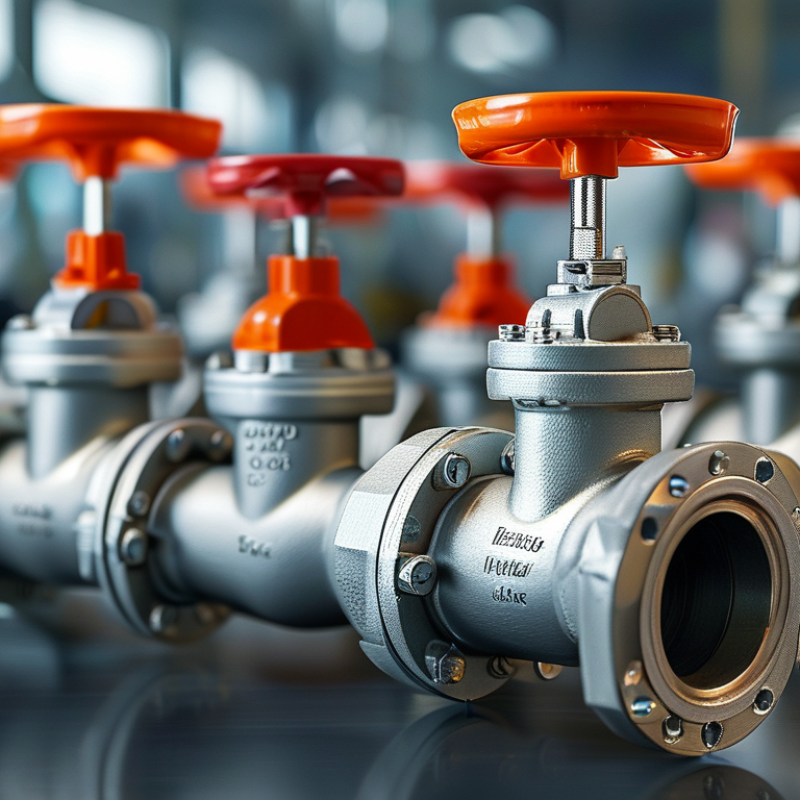
Benefits of Enhanced Flow Control with Three Way Ball Valves
Three-way ball valves are essential tools for various industrial applications. They enhance flow control, making them invaluable in managing fluid distribution. This valve type allows for easy routing of fluids through multiple pathways. Its design enables efficient control of flow direction, which is crucial in complex piping systems. By implementing three-way ball valves, industries can achieve greater precision in flow management.
The construction of three-way ball valves promotes durability and reliability. These valves are typically made from high-quality materials, ensuring they withstand harsh conditions. Their tight seal prevents leaks, which can lead to costly downtime. Users often notice improved operational efficiency once these valves are installed. However, it's essential to consider installation and maintenance challenges. Improper setup can lead to suboptimal performance or even malfunction.
Operators must also be aware of the potential need for regular inspections. Maintenance can sometimes be neglected, impacting the valve's performance. While three-way ball valves offer many benefits, their effectiveness is directly tied to how well they are maintained. This creates a scenario where users must balance the advantages with the necessity of diligent oversight. Being proactive can mitigate risks and enhance the overall efficiency of the system.
Improved Versatility in Fluid Direction Management
Three-way ball valves are crucial in fluid direction management across various industrial applications. Their ability to channel fluids in multiple directions enhances system efficiency. According to industry studies, over 40% of process industries have begun incorporating these valves to improve operational flexibility. This adaptability is especially vital in sectors like oil and gas, where precise flow control can impact safety and productivity.
The design of a three-way ball valve allows seamless switching between different flow paths. This capability can lead to reduced installation costs, as fewer components are required for complex piping systems. In fact, recent reports indicate that organizations can save up to 30% in installation costs by opting for three-way valves instead of traditional multi-valve setups. Despite these advantages, some engineers still face challenges with maintenance.
Inadequate understanding of valve operation can lead to inefficiencies and unexpected downtime. Maintaining optimal performance requires ongoing education about valve technology. Knowledge gaps can be problematic, introducing risks during operations. It is essential for buyers to invest time in evaluating different configurations and applications. This ensures they maximize the benefits that three-way ball valves can deliver while minimizing risks associated with improper use.
Reduced Maintenance Costs Due to Simplicity in Design
Three way ball valves are gaining attention in various industries for their reduced maintenance costs. Their simple design plays a crucial role in this aspect. These valves typically have fewer moving parts compared to other valve types, leading to lower wear and tear. According to a report by the International Journal of Engineering & Technology, maintenance costs can drop by as much as 30% when switching to three way ball valves.
Another significant advantage is reliability. Fewer components mean fewer potential failure points. Research from the Valve Manufacturers Association indicates that companies using three way ball valves report increased system efficiency and decreased downtime. This can be particularly important in sectors like chemical processing and oil and gas, where even minor interruptions can lead to substantial financial losses.
While the simplicity of design offers many benefits, it is crucial to acknowledge some potential drawbacks. Improper selection of materials can lead to performance issues in extreme conditions. Valves that lack flexibility may also struggle with higher pressures and temperatures. Users must balance simplicity with the specific requirements of their applications for optimal performance. Paying attention to material selection and operational parameters is essential to fully realize the benefits of three way ball valves.
Increased Operational Efficiency through Seamless Integration
Three-way ball valves have become essential components in global industrial applications. Their design promotes seamless integration, ultimately enhancing operational efficiency. According to a report from Global Market Insights, the valve market is projected to reach $82 billion by 2027, indicating significant reliance on effective fluid control systems. The three-way ball valve facilitates efficient routing of media within pipelines, which reduces energy consumption and optimizes processes.
One compelling factor is the reduced downtime. By allowing quick switching between different flow paths, industries can maintain continuous operations. A study by Research and Markets highlighted that minimizing downtime can enhance productivity by up to 30%. However, not all installations achieve this efficiency. Poor integration practices can lead to malfunctions and leaks, resulting in costly repairs and environmental concerns. It's crucial for buyers to understand the application requirements to avoid these pitfalls.
Operators can also experience challenges with maintenance and wear. Although three-way ball valves are durable, improper usage can compromise their lifespan. Regular inspections and adherence to best practices are necessary to maximize their benefits. Moreover, training staff on proper operation is vital. The investment in training can yield a return by ensuring optimal performance and extending the valve's service life.
Top 10 Benefits of Three Way Ball Valve for Global Buyers
The following chart illustrates the top benefits of using three way ball valves for global buyers, highlighting increased operational efficiency through seamless integration.
Long-Term Durability and Reliability for Diverse Applications
In industrial applications, the three-way ball valve stands out for its long-term durability and reliability.
These valves are designed to withstand harsh conditions, making them suitable for various environments. They excel in high-pressure and high-temperature situations often found in oil and gas industries. The use of quality materials ensures these valves resist corrosion and wear over time.
Maintenance can be a concern for any equipment. However, three-way ball valves typically require less frequent maintenance than other types. Their simple design allows for easy operation and troubleshooting. This reliability in performance means fewer unplanned shutdowns, which is crucial for budget management.
Customizing three-way ball valves for specific applications is common, but getting it right can be challenging. Each engineering solution comes with its obstacles. Understanding the unique demands of the project is essential. Buyers often need to balance cost and performance while considering potential long-term implications of their choices.





 © Copyright 2020 Tianjin Tanghaidongyang Valve Co., Ltd. All Rights Reserved.