Which Automatic Feeding Gluing Machine Is Best in 2026?
How Does an Automatic Feeding Gluing Machine Work?
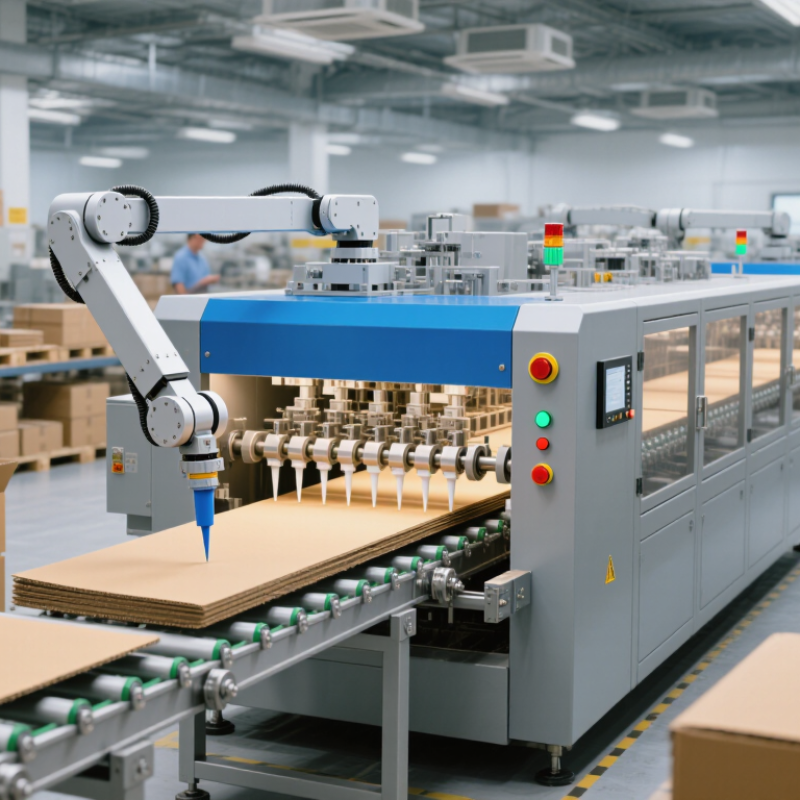
An automatic feeding gluing machine moves sheets or panels from a stack into a gluing section, reducing repeated hand placement. Depending on the machine, rollers, belts, or suction devices separate and advance each piece. Guides and sensors help keep it aligned. If sheets overlap or arrive crooked, the glue line can miss its target.
Inside the gluing section, a roller or nozzle applies adhesive at a controlled rate. Operators set factors such as feed speed, glue amount, and roller pressure to suit the material and job. Pressure rollers may then bring surfaces together, while a following stage allows the bond to set.
Small details matter. Dust, warped sheets, or a partly blocked nozzle can affect the result. In real production, settings may need adjustment as materials change; a setup that works for one batch may not suit the next.
Regularly checking sample pieces, glue coverage, and feed alignment helps catch issues early. Automation improves consistency, but it does not eliminate the need for inspection.
A good choice depends on the materials, sheet sizes, production rate, and adhesive requirements.



 © Copyright 2020 Tianjin Tanghaidongyang Valve Co., Ltd. All Rights Reserved.