A diesel pile hammer converts fuel combustion into repeated impact energy. Its ram rises, compresses air, and ignites a measured fuel charge near the bottom of its stroke. The resulting force drives the pile downward; the cycle then repeats. Simple in principle. In practice, soil changes everything.
A pile entering dense gravel may respond very differently from one passing through soft delta deposits, so operators track penetration per blow and watch for unexpected changes.
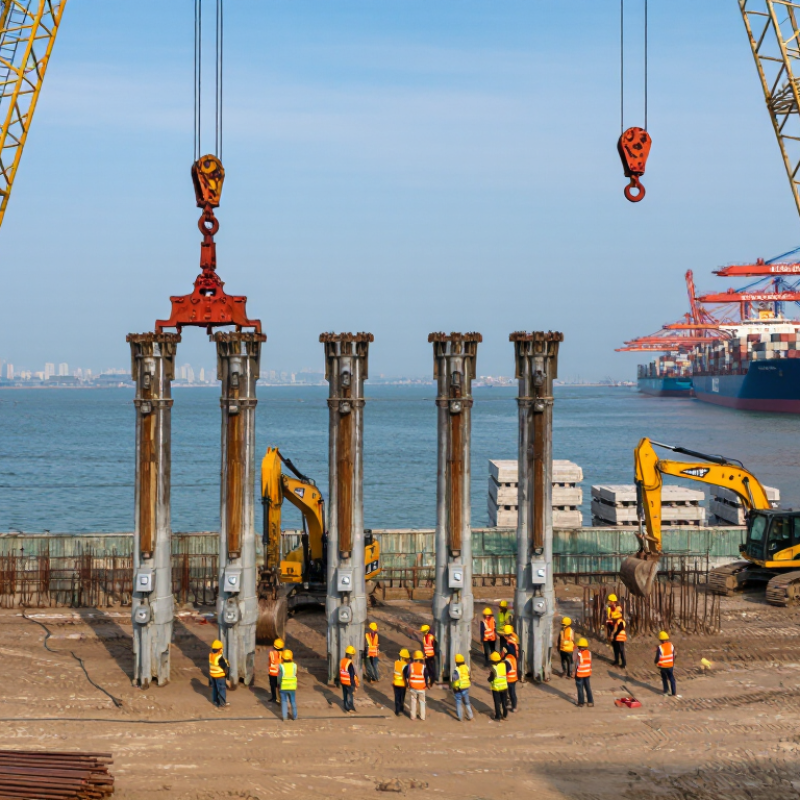
Diesel hammers are used to install driven piles for bridges, port structures, road embankments, and building foundations. These applications matter across Southeast Asia, where waterways, coastal ground, and rapid infrastructure growth shape project demands.
The Asian Development Bank’s 2017 report, Meeting Asia’s Infrastructure Needs, estimated that developing Asia would require US$1.7 trillion in annual infrastructure investment from 2016 to 2030, including climate-related needs. That figure describes regional demand, not pile-hammer sales.
On site, crews must also consider noise, vibration, exhaust, and nearby structures. Wet weather and variable ground can complicate work. A high blow count is not, by itself, proof of a sound foundation; installation records and appropriate pile testing still matter.
That distinction is easy to overlook.



 © Copyright 2020 Tianjin Tanghaidongyang Valve Co., Ltd. All Rights Reserved.