Best Farrowing Crates for Global Buyers in 2026?
As the demand for efficient and humane pig farming grows, choosing the right Farrowing Crates becomes crucial. These structures ensure the safety and comfort of sows and piglets alike. In 2026, global buyers will seek innovative designs that enhance animal welfare. Modern farrowing crates are not just functional; they are a balance of design and practicality.
Understanding the unique needs of the farming industry is essential. Many farmers face challenges like space constraints and the well-being of animals. The best farrowing crates incorporate features that prioritize both. For instance, adjustable pens allow for flexibility in arrangement. Additionally, they often include ventilation systems to improve air quality.
However, not all crates meet the highest standards. Some designs may compromise animal movement. Others may lack durability in harsh environments. Buyers should critically assess these factors. Evaluating farrowing crates requires careful consideration of innovation versus practicality. The best choices ultimately enhance productivity and foster a nurturing environment for animals.
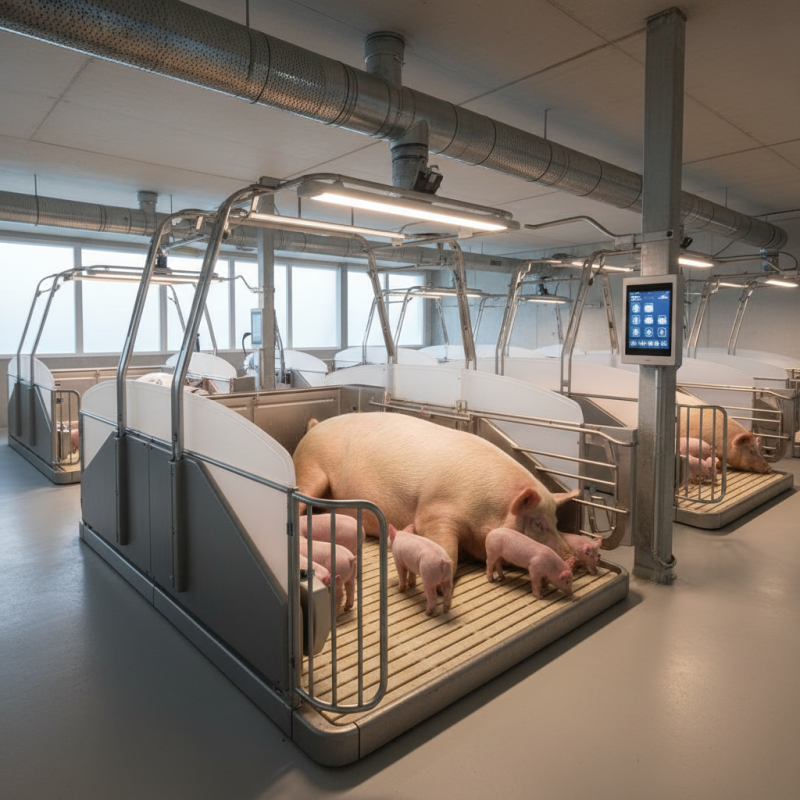
Overview of Farrowing Crates and Their Importance in Pig Farming
Farrowing crates play a crucial role in modern pig farming. They provide a safe space for sows, reducing stress during farrowing. According to the 2023 Swine Production Report, around 75% of pig farmers use farrowing crates to enhance piglet survival rates. This statistic underscores their importance in the industry.
Farrowing crates help prevent crushing. In most cases, piglet mortality is high, often reaching 15% to 20% in loose housing systems. Crates allow sows to nurse their young without risk. However, the design and size of these crates are essential. Poorly designed crates can restrict movement and lead to physical injuries. Inadequate space can result in negative behavioral outcomes.
Moreover, different regions may have varying standards for crate designs. Some farms in Europe are shifting towards more welfare-friendly options. These new designs provide more space for sows but may lead to other challenges, such as increased piglet mortality. The balance between welfare and production efficiency remains a topic for reflection.
Key Features to Look for in Farrowing Crates for Global Markets
When selecting farrowing crates for global markets, key features significantly influence their effectiveness. Durability is essential. Crates must withstand heavy use and harsh conditions. Choose materials that resist rust and corrosion. Proper ventilation is also crucial. It ensures that both sows and piglets remain comfortable during critical stages. Look for designs that promote air circulation without compromising security.
Safety features cannot be overlooked. Effective farrowing crates should provide a safe environment for both the mother and her piglets. Adjustable dividers can accommodate different sizes. This flexibility helps prevent injuries. Moreover, easy access for routine checks is vital. This allows farmers to monitor health without disturbing the animals too much.
Another aspect to consider is ease of cleaning. Smooth surfaces reduce the risk of disease. Crates should facilitate quick and thorough cleaning efforts. Observing these details can lead to more successful farrowing. Farmers should regularly assess their needs and reevaluate crate designs. Balancing efficiency with animal welfare remains a work in progress. Continuous innovation will drive improvements in farrowing crate effectiveness.
Top Manufacturers of Farrowing Crates and Their Innovations
Farrowing crates are essential in pig farming. They ensure safety and comfort for both sows and piglets. Innovations in design focus on reducing stress for sows. Newer models allow for easier access to the piglets, leading to better health outcomes. Farmers are looking for solutions that enhance animal welfare.
Top manufacturers are pushing the boundaries. They are incorporating advanced materials, making the crates more durable and easier to clean. Some crates now feature adjustable sides, allowing for better space management as piglets grow. Other innovations include automated feeding systems, promoting efficiency and saving time for farmers.
However, not all designs work in every environment. Some farmers report the need for modifications. Customization can help suit different farming practices. A one-size-fits-all approach may fail. There is always room for improvement. As the industry evolves, feedback from users is vital for future innovations.
Market Trends Impacting Farrowing Crate Design and Use in 2026
As the demand for sustainable practices in agriculture grows, farrowing crate design will likely evolve. A recent report from the Global Agricultural Trends Association indicates that over 70% of pig farmers are seeking more humane and efficient solutions. This shift stems from increased consumer awareness and advocacy for animal welfare. In 2026, expectation lies in crates that balance these concerns with operational efficiency.
The integration of technology into farrowing crate design is also a noteworthy trend. Sensors and automation can improve animal care. Data from the International Livestock Production Forum shows that farms adopting smart technology report a 25% increase in litter survival rates. However, many producers face challenges in integrating these innovations. Budget constraints and adaptability issues play a significant role in this.
Aesthetics and functionality are equally important. Modern farrowing crates must not only ensure pig welfare but also be user-friendly for farmers. A smooth, easy-to-clean design is essential for daily operations. While some designs excel in either area, few succeed in merging both. This presents an opportunity for future market entrants to address this gap effectively.
Sustainability and Animal Welfare Considerations in Farrowing Crate Design
The design of farrowing crates plays a significant role in ensuring animal welfare and sustainability in pig farming. In recent years, research highlights the importance of allowing sows more space and freedom to move. According to a report by the Animal Welfare Institute, sows displaying natural behaviors can lead to healthier piglets and higher survival rates. The ideal crate should accommodate the sow comfortably while minimizing stress.
Farrowing crates that integrate eco-friendly materials contribute to a sustainable farming model. A study from the Journal of Animal Science indicates that using recycled materials can significantly reduce the carbon footprint of pig farming operations. Farmers are encouraged to look for designs that not only prioritize animal well-being but also environmental impact.
Tip: Consider adopting modular designs that adapt to different spaces and needs. This flexibility can enhance both animal welfare and operational efficiency. Reflecting on current practices is crucial. Many farmers may still prioritize cost over welfare without realizing long-term implications. Sustainable practices are not just ethical; they can lead to profitability through improved production efficiency.
Best Farrowing Crates for Global Buyers in 2026
| Design Features | Sustainability Rating | Animal Welfare Score | Material Used | Price Range (USD) |
| Adjustable Width, Soft Barriers | 9/10 | 8/10 | Recycled Steel | 500 - 700 |
| Modular Design, Easy Cleaning | 8/10 | 9/10 | Plastic Composites | 600 - 800 |
| Soft Flooring, Climate Control | 10/10 | 10/10 | Natural Materials | 700 - 900 |
| Enhanced Safety Features | 7/10 | 7/10 | Galvanized Metal | 400 - 600 |
| Integrated Feeding Systems | 9/10 | 8/10 | Durable Plastics | 500 - 750 |



 © Copyright 2020 Tianjin Tanghaidongyang Valve Co., Ltd. All Rights Reserved.