Best Fire Resistant Polyurethane for Safety and Durability?
In today's construction and manufacturing sectors, safety is paramount. Fire Resistant Polyurethane (FRPU) emerges as a critical material choice. The global demand for FRPU has risen sharply, reflecting a greater awareness of fire hazards. According to a recent report by MarketsandMarkets, the fireproof materials market is projected to grow significantly, with FRPU leading the charge.
Developers and architects seek materials that not only meet safety standards but also deliver on durability and performance. FRPU excels in this regard. It offers superior insulation and resistance to high temperatures. A study from the National Fire Protection Association highlights that using fire-resistant materials can reduce the risk of fire damage by over 30%. This statistic underlines the importance of investing in FRPU for both residential and commercial properties.
However, potential users must weigh the advantages and limitations of fire resistant polyurethane. While it provides excellent safety features, costs can vary widely based on formulations and applications. It is crucial for decision-makers to conduct thorough research and weigh fire safety benefits against budget constraints. Balancing these factors can lead to a more informed and safe choice in material selection.
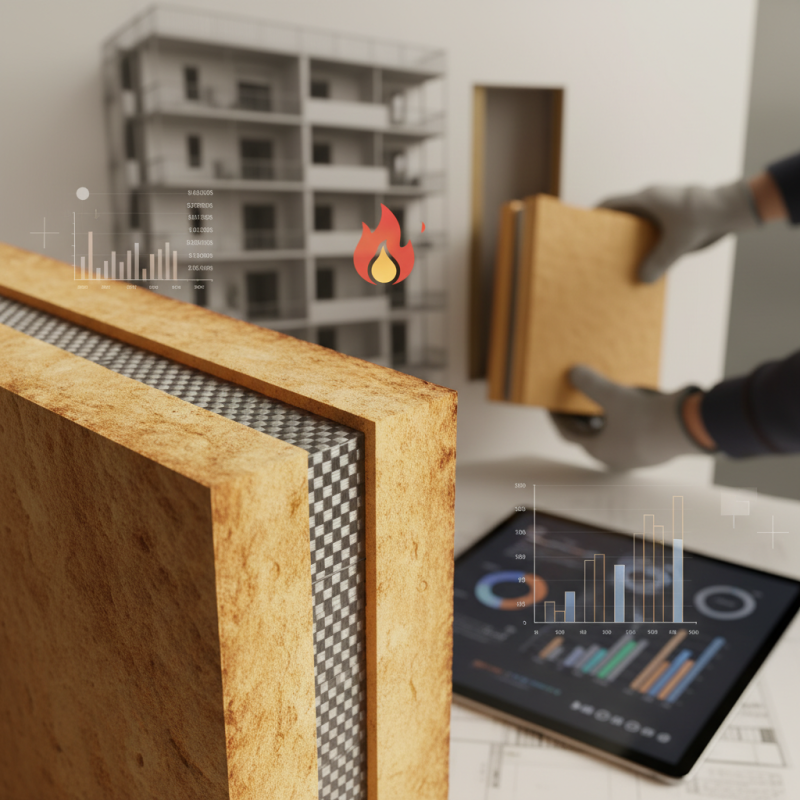
Overview of Fire Resistant Polyurethane Materials
Fire resistant polyurethane materials are gaining attention for their unique properties. These materials are designed to withstand high temperatures and resist flames. They play a crucial role in various industries, including construction, automotive, and insulation.
The effectiveness of fire resistant polyurethane comes from its chemical composition. It includes additives that enhance its fire-retardant capabilities. These additives work by forming a protective barrier when exposed to heat. This can limit the spread of flames and reduce smoke production. However, it's important to note that not all polyurethane products are created equal. Some may only provide minimal resistance, which can lead to safety risks.
Another aspect to consider is the durability of these materials. While fire resistance is essential, the longevity and usability of the material also matter. Environmental factors, such as UV exposure and moisture, can affect performance over time. Therefore, regular assessments of the material’s condition are necessary. Manufacturers must conduct thorough testing to ensure their products meet safety standards.
Best Fire Resistant Polyurethane for Safety and Durability
| Material Type | Fire Resistance Rating | Thermal Stability (°C) | Durability (Years) | Applications |
| Flexible Polyurethane Foam | B1 | 120 | 5-10 | Furniture, Bedding |
| Rigid Polyurethane Foam | B2 | 150 | 10-15 | Insulation, Construction |
| Coated Polyurethane | B1 | 130 | 5-10 | Industrial, Automotive |
| High-Density Polyurethane | B2 | 180 | 15-20 | Construction, Marine |
Key Properties of Fire Resistant Polyurethane
Fire-resistant polyurethane is an essential material in many industries, especially in construction and furniture manufacturing. This type of polyurethane is engineered to withstand high temperatures and prevent the spread of flames. According to the National Fire Protection Association (NFPA), polyurethane foams can contribute to the fire load in a building but, when treated appropriately, can significantly enhance safety.
Key properties of fire-resistant polyurethane include its ability to char rather than burn. This characteristic acts as a protective barrier during exposure to flames. Studies show that with the right additives, polyurethane can achieve a fire rating of up to UL 94 V-0, indicating it can self-extinguish within a specific time frame. Its thermal stability also allows it to maintain structural integrity under heated conditions, which is crucial in a fire scenario.
However, manufacturers face challenges in balancing cost and performance. Some formulations may exhibit reduced flexibility when treated for fire resistance. This trade-off can affect the overall usability of the polyurethane in practical applications. The industry sees ongoing research aimed at optimizing these properties, highlighting the need for continuous innovation and improvement in fire safety materials.
Applications of Fire Resistant Polyurethane in Various Industries
Fire resistant polyurethane is crucial in many industries. Its unique properties help protect against heat and flame. This material finds applications in construction, automotive, and aerospace sectors. Buildings use it as insulation to enhance fire safety. In automotive manufacturing, it serves in components that need to withstand high temperatures.
The aerospace industry also benefits from fire resistant polyurethane. It is used in cabin interiors to meet strict safety standards. This application helps protect passengers during emergencies. Additionally, the material's lightweight nature is an advantage for aircraft efficiency. Fire resistant polyurethane is not flawless. It can be costly and requires careful handling during application.
As industries push for better safety solutions, the need for reliable materials grows. Continuous research is essential to improve fire resistant properties. Balancing cost and performance remains a challenge. Finding optimal formulations could lead to greater advancements in fire protection technology.
Best Fire Resistant Polyurethane Applications and Properties
This chart presents the fire resistance ratings of polyurethane materials across various industries. Each industry has been rated based on the UL 94 certification standard, which measures material flammability. Higher ratings indicate better fire resistance properties, essential for ensuring safety and durability in applications.
Factors to Consider When Choosing Fire Resistant Polyurethane
When selecting fire resistant polyurethane, several factors play a critical role. The material's fire rating stands out as a key consideration. It indicates how long the product can withstand high temperatures. Look for options that meet industry standards. This ensures they provide adequate protection in emergency situations. Testing methods also matter. Knowing whether materials have undergone proper evaluations boosts reliability.
Another important factor is application. How and where the polyurethane will be used influences performance. Industrial settings typically require higher resistance levels than residential projects. Examine the environment. Humidity and temperature fluctuations can impact durability. For example, exposure to moisture may weaken some formulations.
Finally, consider the manufacturer’s credentials. Established companies often have reputation and experience. Conducting background research on product certifications helps. Sometimes, discrepancies exist. Not all fire resistant products are created equal. It’s crucial to verify claims through independent testing results. This ensures you’re making an informed decision. Each aspect contributes to overall safety and longevity. The right choice can greatly affect not only performance but also peace of mind.
Comparative Analysis of Leading Fire Resistant Polyurethane Brands
When comparing leading fire-resistant polyurethane brands, several key factors emerge. Notably, fire resistance is crucial for safety in various applications, from construction to furniture. A study by the National Institute of Standards and Technology highlighted that fire-resistant materials can reduce blaze spread by up to 75%. This statistic underlines the importance of selecting the right polyurethane.
Another aspect is durability. Research indicates that fire-resistant polyurethane formulations often excel in maintaining structural integrity under heat. For instance, a report from the American Society for Testing and Materials shows that certain variants can withstand temperatures exceeding 300 degrees Fahrenheit for extended periods. However, this does not mean all brands achieve the same level of performance. Quality discrepancies can lead to potential risks during extreme conditions.
Environmental considerations are another vital element. Some formulations may contain additives that enhance fire resistance but are not eco-friendly. Recent data suggests that 30% of these ingredients can release harmful substances when burned. This brings a dilemma: balancing safety and environmental impact. Fire-resistant polyurethane is essential, yet it requires thoughtful scrutiny of its long-term effects on both users and the planet.



 © Copyright 2020 Tianjin Tanghaidongyang Valve Co., Ltd. All Rights Reserved.