2026 Best High Current PCB Terminal Options for Global Buyers?
The demand for high current PCB terminals is growing rapidly as industries strive for efficient solutions. According to a recent report by MarketsandMarkets, the market for high current connectors is projected to reach USD 4.2 billion by 2026, reflecting a CAGR of 6.5%. This growth underscores the significance of selecting the right PCB terminals for high performance and reliability.
Industry expert Dr. John Smith, a leading figure in connector technology, emphasizes, "The selection of high current PCB terminals can substantially impact the overall efficiency of electronic devices." His insights illustrate the weight of this decision in product development. High current PCB terminals not only ensure optimal conductivity but also significantly enhance the thermal performance of electronic systems.
However, choosing the best terminal options can be challenging. With numerous products on the market, buyers face the dilemma of aligning their needs with available technologies. Some may overlook critical factors like material composition and environmental adaptability. This evaluation is essential in optimizing designs and ensuring long-term functionality in demanding applications.
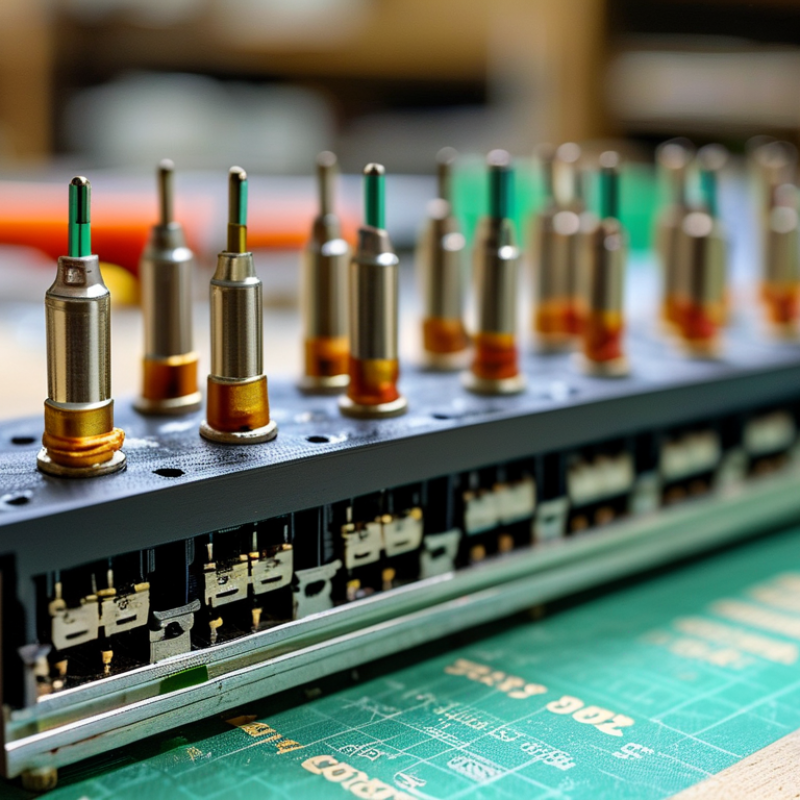
High Current PCB Terminal Types and Their Specifications
When considering high current PCB terminals, multiple types come into play. Each type has unique specifications tailored for specific applications. Common options include screw terminals, spring-clamp terminals, and solder terminals. Screw terminals facilitate easy connectivity and secure connections, while spring-clamp terminals offer quick and tool-free installation. Solder terminals provide robust and permanent connections but require more technical skills.
Specifications play a key role in selecting the right terminal. Current ratings typically range from several amps to hundreds of amps. The voltage rating is equally critical, determining how safely the terminal can operate under load. Materials used also influence performance. Copper is common for conductivity, while thermoplastic materials ensure insulation and durability.
Finding the best high current PCB terminal is not straightforward. Buyers need to evaluate the specific demands of their projects and systems. Oversizing or undersizing can lead to failures. Specifications must match the application requirements closely, yet gaps in understanding can lead to mistakes. Reflecting on choices made in previous projects may help identify pitfalls and improve future decisions.
Key Factors to Consider When Selecting PCB Terminals
When selecting PCB terminals, several key factors come into play. The current rating is crucial. High current applications require terminals that can handle significant electrical loads. Understanding the maximum current specifications for your application is essential. Improper selection can lead to overheating or failure.
Material quality also plays a vital role. Copper and other conductive materials enhance conductivity. Look for terminals with sturdy metal contacts to ensure long-term reliability. A poor choice may result in corrosion or material fatigue over time. Conducting thorough research on materials can prevent future headaches.
Connection type is another important consideration. Terminals can vary widely in design, such as screw, snap-in, or solder types. This diversity can complicate the selection process. Analyze your project's needs carefully. It's about finding the right fit that balances ease of assembly with performance. A mismatch here can lead to inefficiencies in design and functionality.
2026 Best High Current PCB Terminal Options
Top Manufacturers of High Current PCB Terminals Worldwide
In the world of PCB terminals, high current options are gaining significant attention. Manufacturers are focusing on developing solutions that can handle increased power demands. This shift is essential for various industries such as automotive, telecommunications, and renewable energy. Understanding the needs of global buyers helps in catering to their specific requirements.
Top manufacturers are investing in innovation to enhance efficiency and durability. They are experimenting with materials like thermoplastics and copper alloys for better conductivity. However, some designs may still fall short in thermal management. This can lead to overheating and performance issues. It's a critical reminder for buyers to evaluate technical specifications thoroughly.
A deep understanding of market trends is vital. Manufacturers can miss opportunities if they overlook emerging technologies. For instance, new applications in electric vehicles require terminals that not only support high current but also fit compact spaces. Keeping an eye on reliability and user experience is just as important. As demand grows, the need for robust and versatile solutions is clear, yet challenges remain in balancing performance with cost.
Comparative Analysis of Global PCB Terminal Solutions
When selecting the best high current PCB terminal options, a variety of factors come into play. A comparative analysis reveals diverse solutions across global markets. Buyers need to pay attention to current ratings, voltage levels, and material specifications. Understanding these elements can streamline the selection process.
Effective PCB terminals must sustain high currents without overheating. Many materials, such as copper and gold plating, enhance conductivity. However, users should be cautious about corrosion resistance. Not all terminals offer equal durability. It’s essential to weigh application demands against terminal capabilities.
Choosing the right terminal isn't always straightforward. Evaluate the design layout, the space available, and how heat dissipation will be managed. Some terminals may be compact but less effective at high currents. Regular testing and feedback can unveil performance gaps.
For optimal performance, consider the thermal properties of the terminal. Heat management is critical in high current scenarios. Collaborate with engineers to assess the impact of terminal choice on overall product reliability. Each decision has long-term implications, making informed choices vital for success.
Future Trends in High Current PCB Terminal Development
The development of high current PCB terminals is rapidly advancing. Manufacturers are focusing on improving thermal management and enhancing current handling capabilities. As electronic devices become more powerful, these terminals must support higher currents without overheating. Ensuring reliability in extreme conditions is critical. This means designing terminals that can withstand various environmental factors.
Another trend is the push towards modular designs. These designs allow for easier assembly and maintenance. Buyers will appreciate terminals that simplify installation. Moreover, innovation in materials is also changing the landscape. For example, advanced plastics and metals are being explored for their conductivity and durability. This evolution raises questions about the longevity of existing products.
Sustainability is also a growing concern. Selecting eco-friendly materials can reduce the environmental impact of PCB terminals. Buyers are increasingly interested in the lifecycle of these components. Understanding the balance between performance and environmental responsibility is essential. Manufacturers must reflect on their choices, striving for a future that prioritizes both efficiency and sustainability in high current PCB terminal production.
2026 Best High Current PCB Terminal Options for Global Buyers
| Terminal Type | Current Rating (A) | Voltage Rating (V) | Connector Material | Temperature Rating (°C) |
| Screw Terminal | 30 | 600 | Copper | -40 to 105 |
| Push-in Terminal | 25 | 250 | Brass | -20 to 90 |
| Soldering Terminal | 20 | 300 | Copper | -40 to 125 |
| Wire Wrap Terminal | 15 | 350 | Nickel Plated | -10 to 80 |
| Hybrid Terminal | 35 | 400 | Tin Plated | -20 to 100 |



 © Copyright 2020 Tianjin Tanghaidongyang Valve Co., Ltd. All Rights Reserved.