What Is the Best Jaw Stone Crusher for Sale?
Choosing the right Jaw Stone Crusher for sale is not simply a matter of selecting the largest machine. The best model must match your stone type, feed size, required output, and working conditions. A crusher handling hard granite may need different jaw plates and motor power than one processing softer limestone. Small details matter. They affect production and operating costs.
Experienced buyers usually examine the complete crushing process, not only the machine price. Check the maximum feed opening, discharge range, hourly capacity, steel quality, and maintenance access. A wide jaw may accept larger rocks, but it can also demand stronger foundations and more energy. Mobile models offer flexibility on changing sites. Stationary models often suit stable, high-volume operations. Neither option is automatically better.
Reliable suppliers should provide technical specifications, installation guidance, spare parts, and clear warranty terms. Ask for performance data from similar materials and request photographs or inspection records when possible. Independent testing and professional advice can reduce costly mistakes. Still, no recommendation is perfect. Material moisture, operator skill, and site layout can change real results. Plan carefully.
This guide explains how to compare Jaw Stone Crusher models with practical criteria. It focuses on safety, efficiency, service life, and long-term value. You will learn which questions to ask before purchasing and which specifications deserve closer attention. The cheapest machine may not be the most economical choice. A dependable crusher should perform consistently, remain serviceable, and fit your actual production goals.
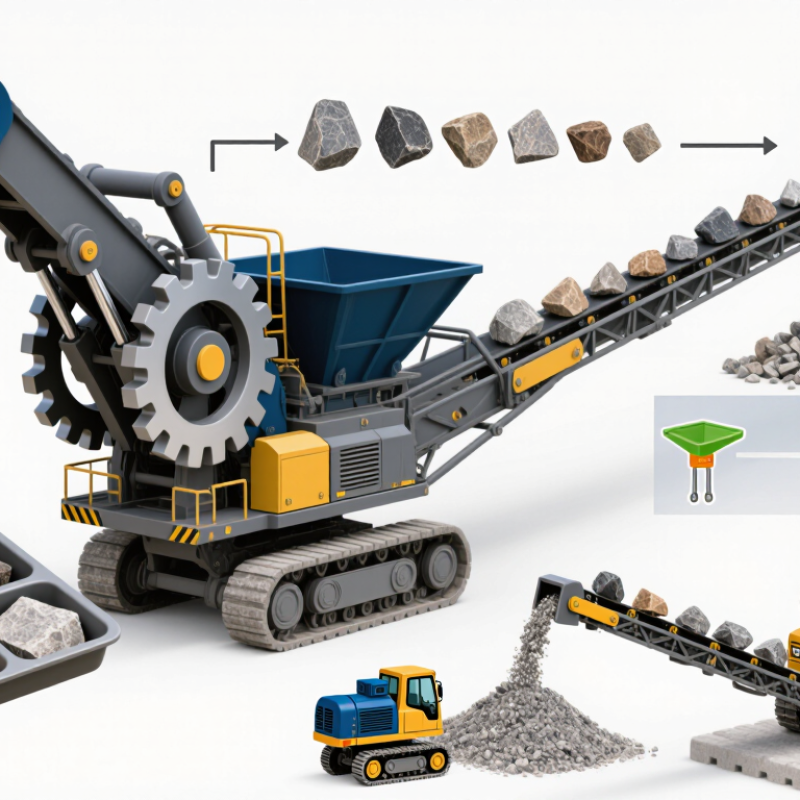
Jaw Stone Crusher Basics and Its Role in Aggregate Production
What Is the Best Jaw Stone Crusher for Sale?
Jaw Stone Crusher Basics and Its Role in Aggregate Production
A jaw stone crusher reduces large rocks between a fixed jaw and a moving jaw. The compressed material exits through the discharge opening. This opening, called the CSS, controls the product size. A smaller CSS produces finer material but may reduce capacity. Hard granite, recycled concrete, and limestone place different demands on the crushing chamber. Moisture also matters. Sticky feed can block the discharge area and interrupt production.
In aggregate production, a jaw crusher usually performs the primary crushing stage. It prepares coarse material for screening and secondary crushing. The best machine depends on feed size, rock hardness, required output, and available power. A wider feed opening helps accept larger stones. A strong frame supports continuous loading. Replaceable jaw plates protect the main crushing surfaces. Operators should inspect plate wear, tension systems, bearings, and discharge clearance regularly.
A bigger crusher is not automatically better. It may consume more energy and create unnecessary costs. In practical site assessments, uneven feed often causes more trouble than limited machine capacity. A steady belt load improves crushing consistency. Dust control and safe access around the crusher are equally important. I have seen careful calculations fail when real stone moisture was ignored. Small field tests can reveal this weakness before purchase. Check technical data, maintenance access, spare part availability, and actual operating conditions before choosing a jaw stone crusher for sale.
Key Factors for Choosing the Best Jaw Stone Crusher
Choosing the best jaw stone crusher starts with the material, not the price. Hard granite needs a rigid frame, a deep crushing chamber, and wear-resistant jaw plates. Softer limestone may require a different setup. Measure the feed size carefully. A rock entering at 700 millimeters can overload a small machine. It happens. I have seen operators trust catalog capacity without checking actual stone shape and moisture. That mistake caused uneven feeding, stalled production, and faster plate wear.
Production capacity must match your site’s real demand. Check tons per hour at your desired discharge size, not only the maximum rating. A crusher making 100 tons per hour at a coarse setting may produce much less at 50 millimeters. Motor power matters, but energy use matters too. Look for adjustable settings, reliable lubrication, and accessible inspection points. Operators should reach the jaw plates without awkward lifting or unsafe positioning. Small details matter.
Consider maintenance, transport, and local support before ordering. Ask for drawings, foundation loads, spare-part lead times, and service instructions. A compact unit may fit a narrow quarry road, while a heavier model may offer better stability. Compare total operating costs over several years. Purchase price is only one line. Noise, dust control, electrical requirements, and weather protection can change daily performance. I would also test a representative stone sample. Laboratory results help, but field conditions remain less predictable. Leave room for error.



 © Copyright 2020 Tianjin Tanghaidongyang Valve Co., Ltd. All Rights Reserved.