| Diode laser engraver | About $300–$3,000 | Commonly about 400 × 400 mm; varies by model | Wood, paper, leather, and some opaque plastics; engraving and light cutting of suitable thin materials | Often the most compact and lower-cost option. Use an enclosure or suitable eye protection, extraction, and a fire-safe work area. | Generally not suitable for efficient cutting of thick stock or direct processing of most bare metals. Clear materials can be difficult or unsuitable. | You are starting out, have limited space, and mainly work with wood, leather, or similar materials. |
| CO₂ laser cutter and engraver | About $2,000–$25,000+, depending on bed size and power | Desktop units often around 300 × 200 mm to 600 × 400 mm; larger machines offer more | Acrylic, wood, paper, leather, and other compatible non-metals; cutting and engraving jobs | Usually needs more floor or bench space than a diode machine, plus exhaust ventilation, cooling, and access for material handling. | Does not directly cut bare metal. Material compatibility and maximum thickness depend on power, optics, and machine setup. | You regularly cut non-metal sheet materials and can provide proper ventilation and maintenance. |
| Fiber laser marker | About $2,000–$10,000 for many entry-level systems; configurations vary | Often a small marking field, roughly 100 × 100 mm to 200 × 200 mm | Marking and engraving metals; some systems can mark certain engineering plastics | The marking head may have a small footprint, but a suitable enclosure, fume control, and safe operating area are important. | A marking system is not the same as a sheet-metal cutting system. Results depend on the metal, coating, and laser configuration. | Your main work is durable identification or engraving on metal parts rather than cutting sheet metal. |
| UV laser marker | About $5,000–$20,000+, depending on power and configuration | Typically a small marking field, often around 100 × 100 mm to 200 × 200 mm | Fine marking on selected plastics, glass, and other materials that benefit from low-heat processing | Usually compact, but requires a controlled work area, appropriate enclosure, and extraction based on the material and process. | Higher initial cost; the process and results vary by material, and it is generally selected for marking rather than large-format cutting. | Fine, high-contrast marks or reduced heat impact matter more than a large work area or low purchase price. |
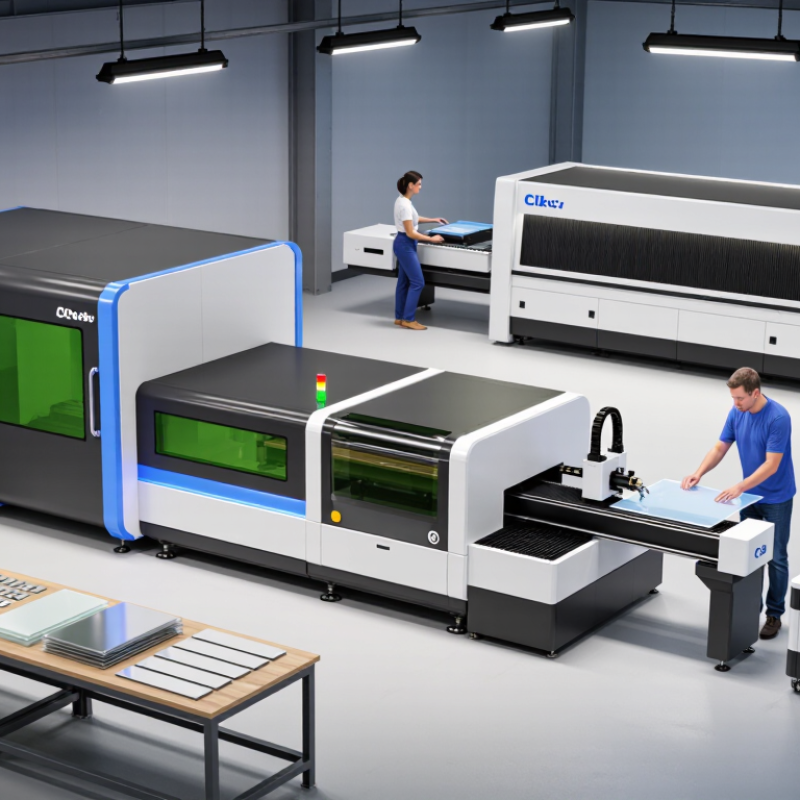
| Industrial fiber laser cutter | Often $20,000 to well over $100,000, depending on power, bed, and automation | Common sheet beds include roughly 1,250 × 2,500 mm; industrial formats vary | Cutting metal sheet and plate in production environments | Requires substantial floor space, electrical capacity, material handling, trained operators, and appropriate industrial safety controls. | High purchase and operating costs. Cutting capability depends on laser power, material type, thickness, and the full machine configuration. | You need repeatable metal-cutting throughput and have the budget and facility for industrial equipment. |



 © Copyright 2020 Tianjin Tanghaidongyang Valve Co., Ltd. All Rights Reserved.