Choosing a Level 3 charger starts with your vehicle, not the biggest number on the cabinet. Check its connector, maximum DC charging rate, and charging curve. A 350-kW unit may sound impressive, but a car limited to 100 kW cannot use its full output. Fit comes first.
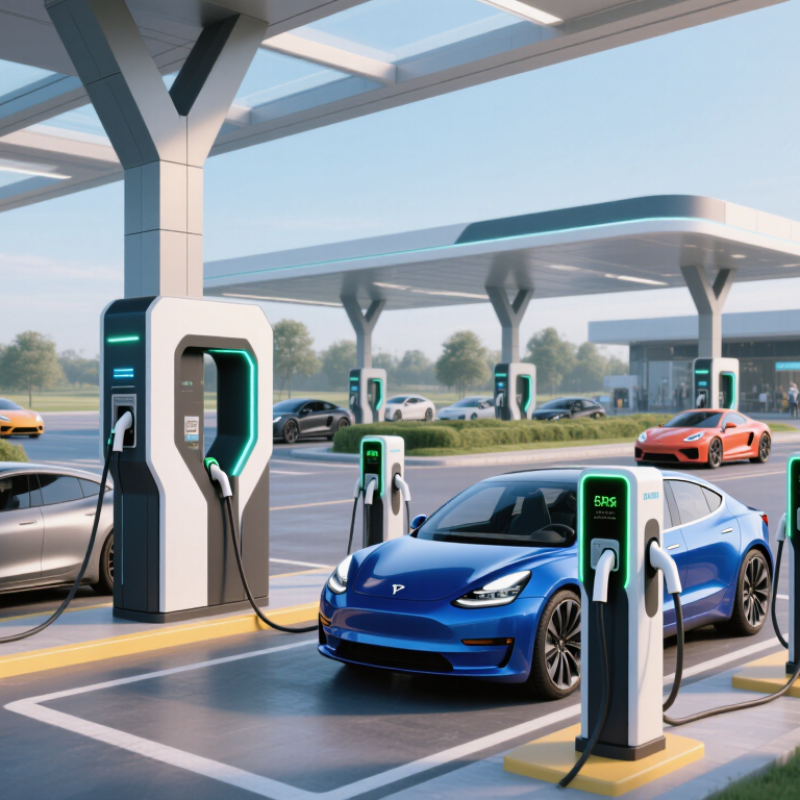
Next, match the charger to where and how you drive. For a home or workplace site, confirm that the electrical service can support the equipment and installation. For a busy public stop, consider cable reach, weather protection, payment options, and room for vehicles to queue. The U.S. Department of Energy’s Alternative Fuels Data Center notes that DC fast charging can add substantial range quickly, but actual charging time depends on the vehicle and conditions. Cold batteries and high states of charge can slow charging. Annoying, but important.
Compare usable power, not just advertised peak power. The International Energy Agency reported that public charging points grew by about 40% worldwide in 2023, while fast chargers grew by 55% (Global EV Outlook 2024). That expansion makes site reliability and service support worth checking. Ask about uptime, warranty coverage, and repair response times. A lower-cost unit may suit a quieter site; a high-traffic location may need more capacity.
There is no perfect pick. Your daily routine is the better test.



 © Copyright 2020 Tianjin Tanghaidongyang Valve Co., Ltd. All Rights Reserved.