Best Meat Meal Making Machine for Efficient Production?
In the fast-evolving food production industry, the demand for efficient solutions is paramount. According to industry expert Dr. Sarah Lee, a leading figure in meat processing technology, "The right Meat Meal Making Machine can streamline production significantly." This statement highlights the importance of innovative equipment in enhancing operational efficiency.
A Meat Meal Making Machine transforms raw meat into high-quality meal products. This process not only optimizes resource usage but also reduces waste. Many businesses, however, struggle to select the right machine. Factors like capacity, energy consumption, and production speed can complicate decisions. It's crucial to consider both current needs and future growth.
Investing in a Meat Meal Making Machine is essential for meeting market demands. However, choosing the wrong equipment could lead to inefficiencies. Reflecting on the specific needs of each operation is vital. Continuous advancement in technology offers new opportunities. A cautious approach can lead to better long-term outcomes in meat meal production.
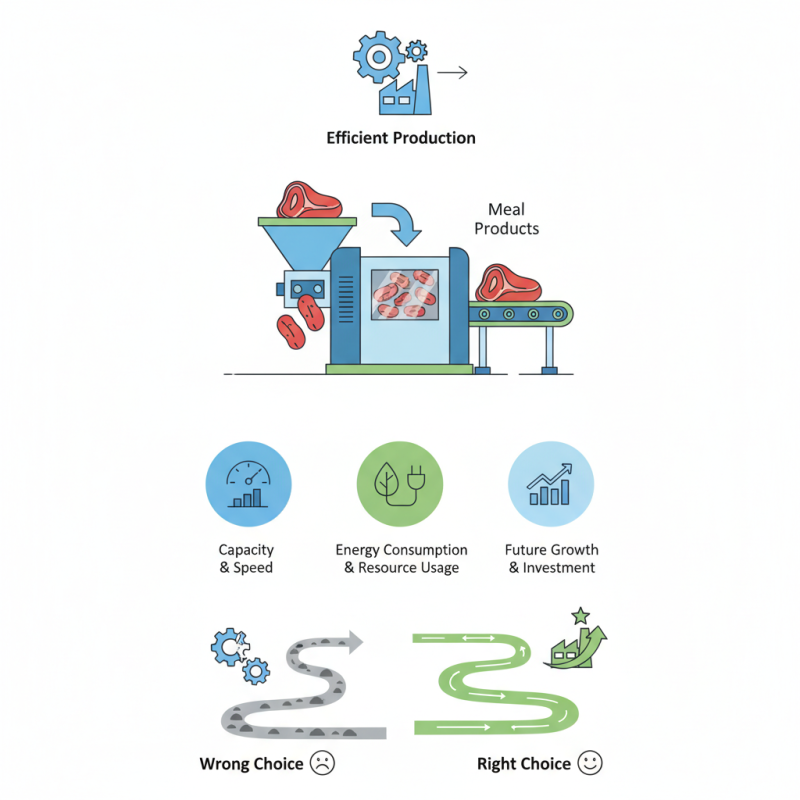
Overview of Meat Meal Production and Its Importance
Meat meal production plays a vital role in the food industry. This process converts animal by-products into nutrient-rich powder. Such powders are crucial for animal feed, boosting protein levels. Efficient production methods are key to maintaining quality while optimizing output.
The demand for meat meal is increasing globally. This rise emphasizes the importance of using the right machinery. Advanced technology can streamline processing. However, it’s essential to understand that not all machines meet quality standards. Choosing reliable equipment can make a significant difference.
Tips: Always check the specifications of the machine. Look for energy-efficient options that can reduce costs over time. Regular maintenance is crucial to ensure long-lasting performance. Quality equipment may have a higher initial cost but can lead to savings in the long run.
Types of Meat Meal Making Machines Available on the Market
When considering meat meal making machines, it's vital to understand the different types available. The most common types include batch cookers, continuous cookers, and vacuum cookers. Each of these machines has unique features and functionalities tailored for specific production needs.
Batch cookers are ideal for smaller operations. They process meat in batches, making them suitable for companies that produce limited quantities daily. They can be efficient but may lead to downtime as the machine cools between batches.
Continuous cookers, on the other hand, are better for larger productions. They enable a steady flow of processing, which increases overall efficiency. However, they require a higher investment and dedicated space.
Vacuum cookers are another popular option. They preserve the quality of the meat by cooking under low pressure. This method can enhance flavor while reducing nutrient loss. However, they also need regular maintenance to ensure optimal performance.
Each type has its pros and cons, and making the right choice depends on specific production requirements and conditions. Understanding your unique needs is crucial for making an informed decision.
Key Features to Consider When Choosing a Meat Meal Machine
When selecting a meat meal making machine, several key features are essential for ensuring efficiency. One crucial aspect is the machine's processing capacity. The volume it can handle impacts your production scale. A higher capacity often leads to faster output but can also increase operational complexity. Balancing capacity with your specific needs is important.
Another factor is the quality of the materials used in the machine. Durable construction affects longevity and performance. Machines with stainless steel components generally ensure better hygiene and easier cleaning. Look for models that offer a simple disassembly process. This can save valuable time during maintenance.
Consider the machine's energy efficiency as well. Energy-efficient models can reduce operational costs. However, they might come with a higher upfront cost. It’s vital to calculate long-term savings. Automation features are increasingly common. Yet, not all automation is necessary for every production line. Reflecting on your unique requirements is essential for an informed decision.
Benefits of Using Advanced Technology in Meat Meal Production
Advanced technology is revolutionizing meat meal production. The integration of automated machines significantly enhances efficiency and consistency. Reports indicate that facilities using modern machinery can increase output by up to 30%. This is crucial for meeting rising global demand. The ability to process large volumes of meat waste efficiently reduces costs and maximizes resource use.
Utilizing advanced technology helps maintain high hygiene standards. Automated systems minimize human contact with raw materials, reducing contamination risks. Studies show that less contamination leads to improved safety and quality. Efficient machinery also allows for precise control over cooking temperatures and processing times, ensuring optimal nutrient retention.
Tips: Consider investing in machines that offer
energy-efficient operations. This can reduce operational costs and environmental impact. Regular maintenance of these machines is essential. It ensures they operate at peak performance and extends their lifespan. Upgrading software on these machines can also keep pace with industry standards, enhancing production quality.
Maintenance Tips for Ensuring Optimal Performance of Machinery
Proper maintenance of meat meal making machines is crucial for achieving optimal performance. Regularly cleaning the machinery is one essential step. Remove leftover meat and fat to prevent contamination. Use appropriate cleaning agents that do not harm the equipment. Neglecting this can lead to malfunctions.
Check the machine’s moving parts frequently. Lubrication is vital for smooth operation. Machines that are not lubricated can wear out quickly. Inspect tension belts and replace worn components as needed. Routine checks help in identifying potential issues before they escalate. It is essential to document maintenance activities for trackability.
Operator training is often overlooked. Ensure that all personnel understand how to use the machinery correctly. Mistakes from untrained staff can result in costly repairs. Regular training sessions can help reduce these errors. A well-informed team contributes to overall efficiency and longevity of the equipment.


 © Copyright 2020 Tianjin Tanghaidongyang Valve Co., Ltd. All Rights Reserved.