Certificates

Certificates

10 Best Non Woven Fabric Rolls for Global Buyers

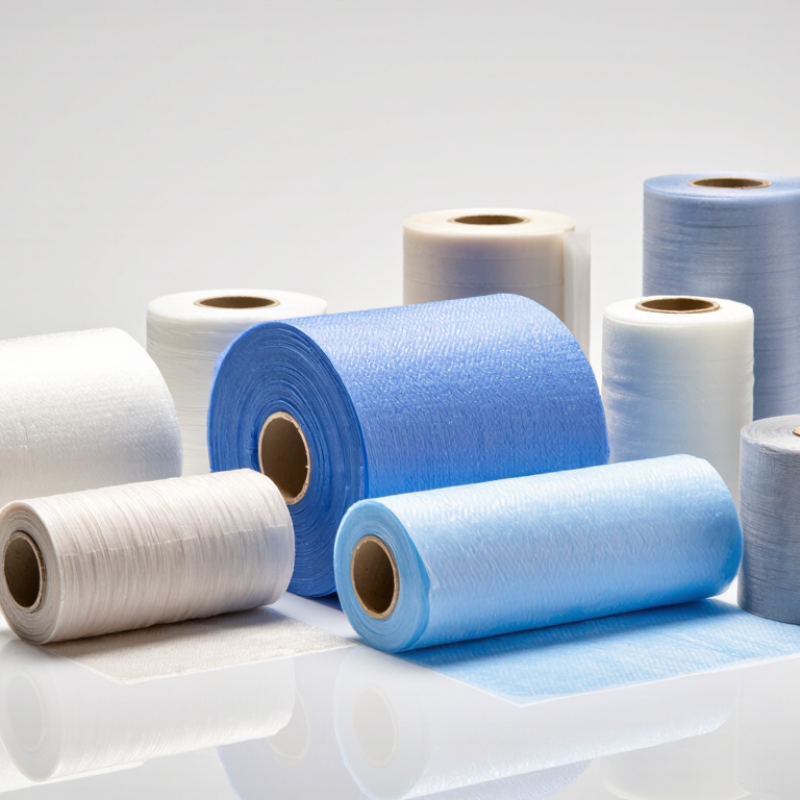
Non Woven Fabric Rolls serve industries where consistent material performance matters more than appearance alone. Buyers use them for hygiene products, medical applications, filtration, packaging, agriculture, and furniture. Each use brings different demands. A soft spunbond roll may suit garment interlining, while a dense meltblown layer may be needed for filtration. Small differences in basis weight, fiber composition, bonding method, and roll width can affect production speed and finished-product quality.

Market figures show why careful sourcing matters. Grand View Research estimated the global nonwoven fabrics market at USD 53.9 billion in 2023 and projected a 6.7% compound annual growth rate from 2024 to 2030. These are estimates, not guarantees of demand or supplier performance. Still, they point to a large, expanding market where buyers need clear specifications and dependable quality checks. Ask for technical data sheets, sample rolls, and details about winding tension, tolerances, and packaging. A sample can reveal issues a product description misses.

That sounds simple. It isn’t.

This guide compares ten options for global buyers, focusing on material types, typical uses, and practical sourcing considerations. It also highlights questions to raise before requesting a quotation, including minimum order quantities, lead times, and customization. No single roll fits every factory. And published specifications do not tell the whole story. Buyers should verify claims against their own process, because even a suitable fabric can perform poorly when its weight, width, or bonding method is mismatched.

10 Best Non Woven Fabric Rolls for Global Buyers

What Nonwoven Fabric Rolls Are and How They Are Made

What Nonwoven Fabric Rolls Are and How They Are Made

Nonwoven fabric is a sheet of fibers bonded without weaving or knitting. Manufacturers commonly use polypropylene, polyester, or regenerated cellulose. Production starts by forming a loose web. In spunbonding, molten polymer is extruded into fine filaments, laid onto a moving belt, and bonded with heat. Carded webs arrange staple fibers before mechanical, thermal, or chemical bonding. Meltblown lines create especially fine fibers, often for filtration layers. The choice of process affects softness, strength, air flow, and absorbency. There is no single best recipe.

EDANA reported that European nonwoven production reached about 2.87 million tonnes in 2023, down 5.5% from 2022. This industry figure shows why buyers should assess supply conditions as well as fabric performance. On a production line, operators check roll width, basis weight, tensile strength, and visible defects. A roll may look uniform but still vary across its width. That detail can affect converting and finished-product consistency.

Tips:

Request a sample roll and test it on your own equipment. Confirm basis weight, usable width, and tolerances in writing. Ask which bonding method is used, then compare test results with your application. Small differences matter. Do not rely on appearance alone.

(Source: EDANA, 2023 European Nonwovens Production Statistics.)

Key Criteria for Evaluating Nonwoven Fabric Rolls

A low price means little if roll dimensions vary. Check basis weight, width, length, thickness, and tolerance against the purchase specification. Then inspect the winding: loose edges, telescoping, creases, or uneven tension can slow converting lines. Ask for measured values, not “standard grade.” Small differences matter.

EDANA’s European Nonwovens Production and Deliveries 2023 report recorded about 2.9 million tonnes of production, down 3.3% from 2022. That regional decline is a reminder that supply conditions can shift. Buyers should compare lead times and available capacity, but avoid treating market volume as proof of product quality. Test samples from multiple rolls.

For performance, match tests to the end use. ISO 9073 methods cover properties such as mass per unit area and tensile strength. Request results in both machine and cross directions; a fabric may stretch or tear differently across the web. Check absorbency, filtration efficiency, or barrier performance only when relevant. Also review lot traceability and packaging: a damp, dusty roll can fail before processing. A polished data sheet is helpful, not conclusive. Real production trials sometimes expose gaps suppliers missed.

Key Criteria: Typical Basis-Weight Ranges by Nonwoven Type

Basis weight is one useful comparison when evaluating nonwoven fabric rolls. These indicative commercial ranges vary by process, application, and supplier; also confirm roll width, length, tensile properties, and tolerances against your requirements.

10 Best Nonwoven Fabric Rolls for Global Buyers

Global buyers comparing nonwoven fabric rolls should start with end use, not price alone. Spunbond suits many lightweight covers and bags; SMS combines layers for added barrier performance. Spunlace feels softer, while needle-punched rolls offer a thicker, fibrous structure. Check basis weight, usable width, roll length, core diameter, and winding tension. These details affect machine setup and usable yield. Grand View Research valued the global nonwoven fabric market at USD 54.9 billion in 2023. It forecast 5.8% annual growth from 2024 to 2030. This broad market estimate is not specific to rolls, but it signals sustained demand.

Tips: Request a sample roll and review its technical data sheet. Compare basis-weight tolerance, tensile strength, and test methods. Ask for lot-level inspection records, too.

A “best” roll depends on the product and converting line. A soft-touch material may suit wipes, but fail a buyer’s strength target. Barrier needs also vary by application. Confirm specifications before ordering, then check the first production lot against the approved sample. Small differences in edge trim or roll tension can cause stoppages. A low quote may still cost more after scrap and downtime. These checks take time, and they are not foolproof.

10 Best Nonwoven Fabric Rolls for Global Buyers

Nonwoven Roll Type Typical Material and Process Indicative Basis Weight Typical Roll Width Common Applications Key Buyer Checks
PP Spunbond Polypropylene filaments formed and bonded in a spunbond process About 10–150 g/m² About 0.3–3.2 m Shopping bags, hygiene components, furniture lining, protective covers, and agricultural covers Confirm GSM tolerance, tensile strength, color consistency, roll length, and UV treatment if needed
SMS / SMMS Spunbond and meltblown polypropylene layers combined in a multilayer web About 25–80 g/m² About 1.0–3.2 m Protective apparel, medical drapes, and hygiene products Specify layer construction and required test methods; verify barrier claims for the intended end use
Meltblown PP Fine polypropylene microfibers formed by meltblowing About 10–100 g/m² Often about 0.2–2.0 m Air and liquid filtration media, absorbents, and multilayer nonwoven composites Check filtration performance using the relevant test standard, pressure drop, roll uniformity, and electrostatic treatment if specified
Needle-Punched PET Polyester staple fibers mechanically entangled with barbed needles About 100–1,000 g/m² About 1.0–4.0 m Geotextiles, automotive interiors, roofing layers, and filtration substrates Confirm fiber type, thickness, tensile and tear properties, permeability, and roll weight
Needle-Punched PP Polypropylene staple fibers mechanically bonded by needle punching About 80–800 g/m² About 1.0–4.0 m Drainage and separation geotextiles, carpet backing, and protective layers Match strength, puncture resistance, apparent opening size, and water-flow properties to the project specification
Spunlace (Hydroentangled) Cellulose, polyester, or blended fibers bonded with high-pressure water jets About 30–120 g/m² About 0.2–3.2 m Wipes, personal-care products, and selected medical or hygiene products Specify fiber blend, absorbency, wet strength, lint level, and whether the product is intended to be flushable
Thermal-Bonded Nonwoven Thermoplastic fibers or fiber blends bonded using heat, often with bicomponent fibers About 15–150 g/m² About 0.3–3.2 m Hygiene acquisition layers, apparel interlinings, and lightweight padding Check softness, loft, bonding uniformity, fiber composition, and performance after heat exposure
Chemically Bonded Nonwoven A fiber web bonded with a binder applied by methods such as saturation, spraying, or printing About 20–100 g/m² About 0.3–3.2 m Interlinings, disposable table products, and selected wipes or laminating substrates Ask about binder chemistry, odor, stiffness, wet strength, and applicable chemical or market requirements
UV-Stabilized Agricultural Spunbond Lightweight polypropylene spunbond with UV stabilizer added for outdoor exposure About 17–50 g/m² About 1.0–3.2 m Crop covers, row covers, and plant protection applications Specify local sunlight conditions, expected exposure period, air and water permeability, and required UV-aging test
Nonwoven-Film Laminate A nonwoven layer bonded to a polymer film, commonly for added liquid resistance About 25–100 g/m² overall, depending on construction About 0.3–2.4 m Protective packaging, disposable covers, and selected hygiene or medical components Confirm film type, bond strength, pinhole limits, flexibility, and the required liquid-resistance test

Note: Basis weights and roll widths shown are indicative ranges, not fixed industry standards. Actual availability and specifications vary by production line, material composition, and supplier; confirm tolerances and test requirements before ordering.

Common Applications Across Industries

Nonwoven fabric rolls appear in healthcare, agriculture, construction, transport, and everyday household products. In healthcare settings, they may be converted into gowns, caps, drapes, or mask components. Buyers should check barrier performance, breathability, lint levels, and test documentation against the intended use.

A soft feel alone proves little. Roll width and winding consistency also matter when production lines run at speed.

Agricultural users choose crop covers and nursery wraps to manage light, moisture, and airflow. For construction, nonwovens can serve as geotextile layers or protective underlays; the required strength depends on soil conditions and installation. Automotive converters use them in insulation, acoustic layers, and interior liners, where thickness and heat resistance can affect fit. Household applications include wipes, mattress components, and furniture backing.

The trade-off is easy to miss: a heavier sheet is not automatically more durable or suitable. Fiber type, bonding method, and finish all change performance.

Specifications may look complete, yet a roll can still wrinkle or feed poorly. A small production trial can reveal that before a large order.

How to Source and Verify Nonwoven Fabric Suppliers

Nonwoven rolls can look identical on a warehouse pallet, yet differ in weight, strength, and fiber blend. EDANA’s 2023 Statistics report put European nonwovens production at about 2.865 million tonnes, down 5.6% year over year. That shift makes capacity claims worth checking against recent production records. Ask suppliers for a current data sheet, batch traceability, and a sample cut from the actual production lot—not a showroom sample.

Set measurable specifications before comparing quotes: basis weight, roll width, fiber composition, tensile strength, elongation, and air permeability. Request test reports that identify the method and sample batch. ISO 9073 provides test methods for nonwovens, including determination of mass per unit area and tensile properties. For a first order, test samples from several rolls. Small differences matter. A roll that feeds poorly can disrupt converting lines and add waste.

Verify certificates with the issuing body, review quality procedures, and ask how defects are recorded and resolved. A site or video audit can help confirm storage conditions, inspection equipment, and production capacity. Check that labels and packing lists match the agreed specifications. Paper can look perfect. The roll still needs testing. Supplier answers may sound precise, but vague sampling plans deserve a second look.