Certificates

Certificates

What Is the Best Safety Lockout Box in 2026?

Choosing the best Safety Lockout Box in 2026 requires more than comparing prices, colors, or product photographs. A reliable box should organize keys, locks, tags, and permits without creating confusion during a busy maintenance shift. Picture a technician opening a wall-mounted cabinet beside a noisy production line. Each device should be visible, labeled, and easy to retrieve with gloved hands. Small details matter. A weak hinge, unclear label, or crowded interior can slow a procedure when attention is already limited.

This guide examines safety lockout boxes through practical use, professional maintenance experience, and dependable product evidence. We will consider material strength, capacity, visibility, mounting options, weather resistance, and compatibility with established lockout/tagout procedures. Independent testing, manufacturer documentation, and user feedback deserve careful attention. Marketing language alone is not enough. Not every “heavy-duty” claim performs equally in real workplaces. That is worth remembering. A compact box may suit a small workshop, while a large facility may need shared access and stronger identification controls. The perfect choice does not exist. Needs differ, and even a well-designed box can be misused if training and routine inspections are neglected. This comparison aims to make that decision clearer, more realistic, and easier to defend during an internal safety review. Expect practical guidance, not exaggerated promises. Safety equipment should support disciplined habits, not replace them.

What Is the Best Safety Lockout Box in 2026?

What Is a Safety Lockout Box?

A safety lockout box is a secure container used during equipment maintenance and energy isolation. It holds keys, locks, tags, hasps, and written instructions in one controlled location. When several workers service one machine, each person can attach a personal lock to the box. The equipment should remain unavailable until every personal lock is removed. This shared-control method helps prevent accidental restart. It does not isolate electrical, hydraulic, pneumatic, or mechanical energy by itself. That distinction matters.

A well-designed box usually has a strong body, a visible lid, and enough space for daily tools. Clear identification helps workers find the correct box quickly. Durable labels should remain readable after contact with oil, dust, or cleaning chemicals. Some workplaces also use a sign-in sheet or digital record beside the box. Procedures must match the machine, energy sources, and site risk assessment. One universal process is rarely sufficient.

When comparing a safety lockout box in 2026, examine capacity, visibility, corrosion resistance, mounting options, and access control. A crowded box creates confusion. An oversized box may encourage poor organization. In practical inspections, missing instructions are a common weakness, even when the container looks strong. No box is perfect. Workers still need training, verification, and a final energy check before maintenance begins. A small inspection before each use can reveal cracked hinges, unreadable labels, or missing locks.

Which Features Define the Best Lockout Box in 2026?

What Is the Best Safety Lockout Box in 2026?

The best lockout box is defined by controlled access, clear visibility, and reliable group coordination. OSHA estimates that effective hazardous-energy control prevents about 120 deaths and 50,000 injuries each year. That figure makes box design a serious operational issue, not a storage preference.

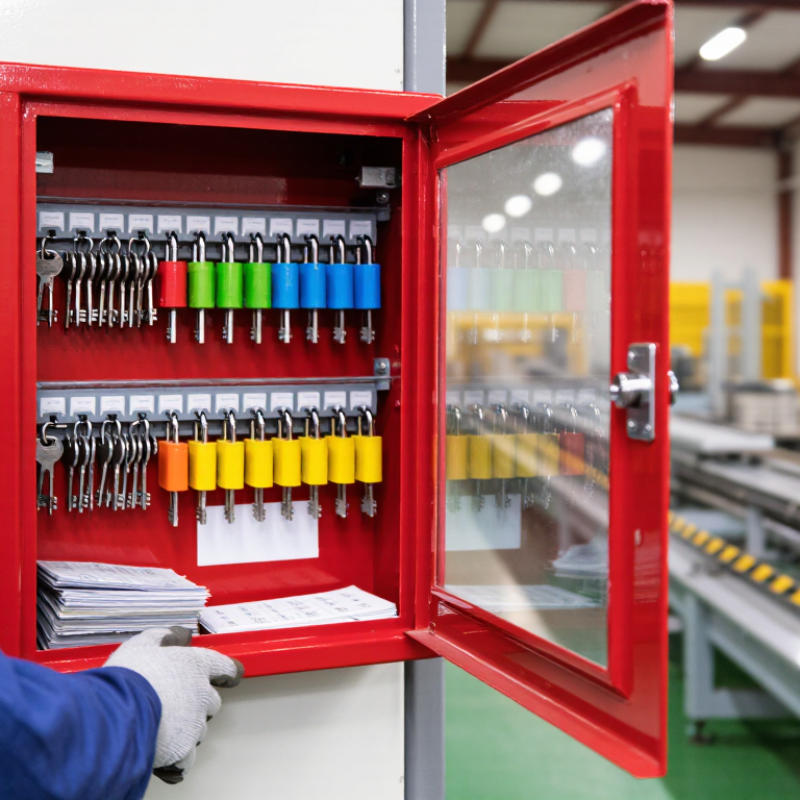
A strong box should hold personal locks, hasps, tags, spare keys, and written procedures without forcing workers to stack equipment. Transparent panels help supervisors check contents quickly. High-contrast labels remain readable under dust, oil, and low light. Corrosion-resistant construction matters in outdoor maintenance areas. Fit matters. Oversized hardware should not strain the hinges or block the latch.

The most useful feature may be a controlled group-locking system. Each authorized worker needs an independent lock position, with no shared-key shortcut. ANSI/ASSP Z244.1 emphasizes energy-control practices, verification, and worker involvement. A box should support those steps with a visible inspection record and durable identification.

I have seen well-equipped boxes fail because workers could not find the correct hasp quickly. That weakness deserves attention. No box fixes poor training, unclear procedures, or rushed verification. A practical design makes the safe action easier, even when the worksite is noisy, cold, and inconvenient.

How to Compare Lockout Box Types and Materials

What Is the Best Safety Lockout Box in 2026?

How to Compare Lockout Box Types and Materials

The best lockout box depends on the energy sources, crew size, and work environment. OSHA estimates that effective hazardous-energy control protects about three million workers. Its guidance also indicates that proper lockout procedures can prevent roughly 120 deaths and 50,000 injuries annually. These figures make box selection a control decision, not a storage preference.

Portable group boxes suit maintenance teams moving between panels, pumps, and production lines. Wall-mounted boxes work better in fixed service areas with predictable access. Check lock capacity, identification space, visibility, and resistance to unauthorized removal. A transparent polycarbonate body supports quick visual checks. Stainless steel handles moisture, oils, and repeated cleaning. Powder-coated steel offers strength, but damaged coatings can expose metal to corrosion. Aluminum reduces weight, although it may dent under harsh impact.

Material choice should follow the site assessment. Consider temperature, chemicals, dust, UV exposure, and electrical proximity. Do not treat a nonconductive box as electrical protection. That assumption is unsafe. ANSI/ASSP Z244.1 emphasizes risk-based control methods, while OSHA requires documented energy-control procedures and employee training. A competent safety professional should verify both.

I have seen teams choose oversized boxes and lose small locks inside them. That is a practical failure, not a specification failure. A smaller box may improve accountability, but it can become crowded during shutdowns. The honest comparison is imperfect: capacity, durability, visibility, and portability rarely peak together. Test the box with real locks, tags, gloves, and winter clothing before approving it.

How to Choose the Right Lockout Box for Workplace Needs

Choosing the best safety lockout box in 2026 starts with the task, not the catalog.

OSHA estimates that effective lockout/tagout practices can prevent about 120 deaths and 50,000 injuries each year. Those figures are estimates, not a guarantee.

A box should match the energy-control procedure, workforce size, and equipment layout. For one machine, a compact group box may suffice. For a multi-energy shutdown, choose visible compartments, durable labels, and space for personal locks.

Check capacity under pressure.

A box holding six locks may fail when twelve technicians arrive. Count authorized employees, shifts, contractors, and spare locks. Select corrosion-resistant construction for washdown areas. Inspect hinges, hasps, and identification windows regularly.

OSHA’s Control of Hazardous Energy standard, 29 CFR 1910.147, requires authorized employees to apply their locks and verify isolation before work begins. The box supports that process; it does not replace training, testing, or machine-specific procedures. This distinction is easy to miss.

Use guidance from the UK Health and Safety Executive’s HSG253 when reviewing isolation points, stored energy, and verification steps. In practical audits, poor visibility often causes more confusion than a missing feature.

Mount the box near controlled equipment, but outside the hazard zone. Test it with gloves. If labels cannot be read under low light, the design is not ready. I would also trial the box during a shift change. Real workflows expose weaknesses that product sheets hide.

What Safety Standards Should a Lockout Box Meet?

A strong safety lockout box should support a documented energy-control procedure, not merely store padlocks. In the United States, its use should align with OSHA 29 CFR 1910.147 and applicable electrical safety requirements. ANSI/ASSP Z244.1 also offers practical guidance for controlling hazardous energy. Requirements may differ by country.

Look for a box with durable, corrosion-resistant construction and clear identification. It should withstand a busy maintenance area, where oil, dust, gloves, and repeated handling are common. A secure latch matters. So does controlled access. Each authorized worker should have a personal lock, while the group lockout system remains visibly accountable. Transparent panels can help supervisors check status without opening the box.

Details matter. Labels should remain readable after cleaning. Mounting hardware should resist vibration. The design should prevent accidental removal of group locks. It should also leave enough space for real workplace use, not just an attractive product photograph. A box that is too small may encourage unsafe shortcuts. That risk is easy to underestimate.

No box solves a weak procedure. Staff still need training, equipment-specific instructions, and verification of zero energy. Some teams may also overlook stored pressure, heat, gravity, or electrical charge. That is a serious gap. Before selection, test the box with actual gloves, locks, tags, and permits. If access feels awkward, workers may bypass the process. Safety design must account for human behavior, even when the checklist looks complete.


