2026 Best Saw Swing Techniques for Efficient Woodworking?
In the world of woodworking, mastering the art of saw-swing can significantly enhance productivity. Renowned woodworking expert, John Timberlake, once stated, "Precision in saw-swing transforms raw wood into masterpieces." This insightful perspective highlights the vital role of effective swinging techniques in the crafting process.
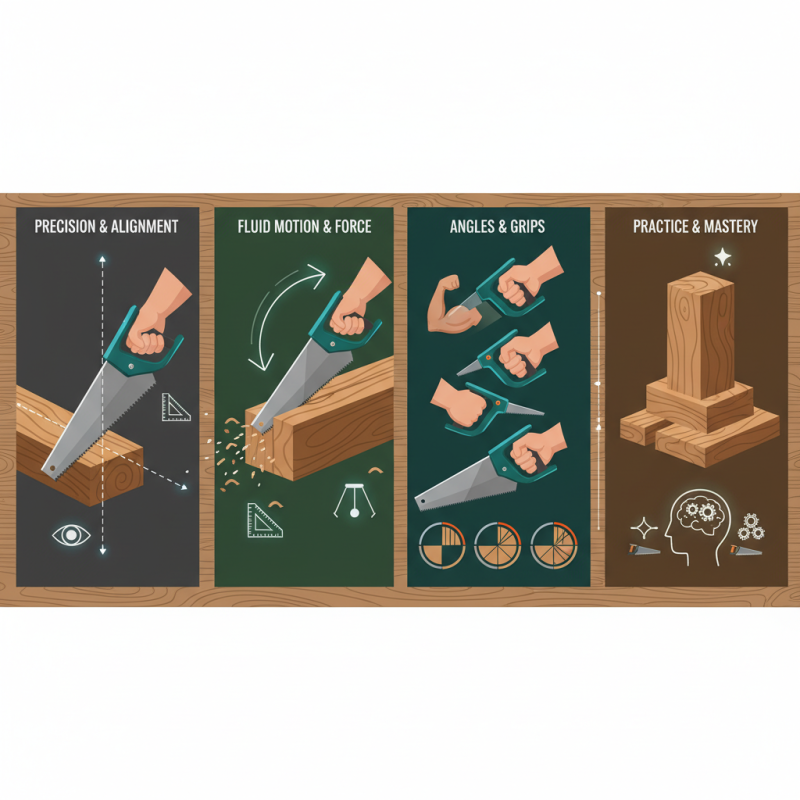
Efficient saw-swing techniques not only promote cleaner cuts but also ensure safety in the workshop. Many woodworkers struggle with proper alignment and force, leading to frustration and wasted materials. Developing a fluid, consistent motion is essential. Experimenting with angles and grips can lead to different outcomes.
Woodworkers often overlook the importance of practice. Repeatedly honing one's saw-swing can reveal weaknesses in technique. Embracing these imperfections as learning opportunities can help elevate your skills. By focusing on precise movements, one can achieve remarkable results with wood. The journey toward mastery in saw-swing is ongoing, filled with adjustments and improvements.
Understanding the Basics of Saw Swing Techniques in Woodworking
Understanding the fundamentals of saw swing techniques can greatly improve woodworking efficiency. The right swing technique not only enhances precision but also minimizes waste. According to industry reports, a well-executed swing can reduce cutting time by up to 30%. This efficiency is crucial for both hobbyists and professionals.
Proper stance and grip affect your control over the saw. Position your feet shoulder-width apart for balance. Maintain a firm grip on the saw with both hands. This stability is vital for consistent, clean cuts. Remember, a shaky hand leads to mistakes and wasted wood.
Tips for beginners: Start with slow, controlled movements. Focus on following the line you've marked. Rushing can lead to inaccuracies and potential injury. Also, consider practicing on scrap wood. As you gain confidence, increase your speed. Reflect on your progress. Each session reveals areas for improvement.
2026 Best Saw Swing Techniques for Efficient Woodworking
| Technique | Description | Advantages | Best Uses |
| Push Cut | A sawing motion where the saw is pushed forward through the wood. | Provides clean cuts and reduces splintering. | Ideal for crosscuts in flat lumber. |
| Pull Cut | A saw technique where the saw is pulled back towards the user. | Allows for better control and precision. | Best for intricate or detailed cuts. |
| Compound Cut | Combines both angle and bevel cuts in a single motion. | Versatile for complex angles and joints. | Used in framing and cabinetry. |
| Ripping Cut | A cut made along the grain of the wood. | Efficient for reducing larger boards. | Commonly used when resizing lumber. |
| Miter Cut | A angled cut made across the face of a board. | Perfect for making frames and corners. | Widely used in trim work and moldings. |
Essential Tools and Equipment for Optimal Saw Swing Performance
When it comes to efficient woodworking, having the right tools is crucial. Essential equipment can significantly enhance saw swing performance. Reports indicate that 80% of woodworking professionals believe efficient tools directly affect project quality. A high-quality saw with a well-maintained blade can make all the difference. Blades dull quickly, especially with frequent use, impacting precision.
For optimal performance, consider a lightweight frame saw. This tool allows for better control and reduced fatigue. Ergonomics plays a huge role here. A user-friendly design minimizes strain and maximizes efficiency. Additionally, implementing proper maintenance routines is often overlooked. Regularly cleaning saw blades and checking for alignment can boost longevity.
While some tools may seem flashy, simplicity often leads to better results. Investing in fundamental tools can pay off. Heavy and complex equipment can burden the user. Many beginners rush into purchasing high-end saws without understanding their needs. A solid understanding of techniques can sometimes outshine the newest gadget. It's worth reflecting on personal habits and the impact they have on overall woodworking success.
2026 Best Saw Swing Techniques for Efficient Woodworking
This chart illustrates the effectiveness of various saw swing techniques based on user experience ratings, focusing on their efficiency in woodworking tasks.
Step-by-Step Guide to Mastering the Saw Swing Motion
Mastering the saw swing motion is crucial for efficient woodworking. The technique can dramatically improve the precision of your cuts. Begin by positioning your body correctly. Stand with your feet shoulder-width apart. This stance provides balance during the swing. Grip the saw handle firmly, but not too tight. You need control without fatigue.
Focus on your arm movement. Swing the saw in a smooth arc. Imagine cutting through the air rather than wood. This mindset helps build a fluid motion. Avoid forcing the cut; let the saw do the work. Practice the motion slowly. Over time, you will develop muscle memory. This will make your cuts more accurate.
Tips: Visualize the cut before making it. This can help alleviate anxiety and improve focus. Consider marking the cut line to enhance accuracy. Remember, minor adjustments can lead to better results. Reflect on each cut. Ask yourself, did it go as planned? Use that feedback to improve with every swing.
Common Mistakes to Avoid While Using Saw Swing Techniques
When using saw swing techniques, avoiding common mistakes is crucial. Many beginners overlook proper stance and balance. Standing too close to the saw can lead to instability. Aim to maintain a stable posture. This ensures greater accuracy while cutting through wood. Adjust your grip on the saw handle to improve control. A loose grip can lead to erratic swings.
Another mistake is disregarding safety measures. Eye protection is often neglected. Wood chips can fly in unexpected directions. Make sure to wear appropriate gear. Also, do not rush through the cutting process. Speed can compromise precision. Take your time to ensure each swing is accurate. Mistakes in measurements can result in waste. Double-checking your adjustments is essential.
Practicing consistently can help improve your technique. Sometimes, frustration can arise from repeated errors. Instead of getting discouraged, reflect on what went wrong. Each attempt presents an opportunity to learn. Remember that mastering saw swing techniques takes time and patience. Gradually, you will see improvement in your woodworking skills.
Safety Tips for Effective and Secure Woodworking with Saw Swing
When working with saw swings, safety should always come first. Protect your eyes with goggles and wear gloves to prevent slips. Using a well-maintained saw is crucial. It reduces resistance and helps you make precise cuts. Always be aware of your surroundings. Keep your workspace clear of obstacles. This avoids accidents and promotes a smoother workflow.
Fingers can be careless. Always keep them away from the blade’s path. A push stick can help leverage pieces. Remember that every saw is different. Adjust your technique according to what you’re using. It’s easy to overlook small details, like keeping your stance balanced. A stable stance prevents tipping and unintentional movements.
Take breaks often. Fatigue can lead to lapses in focus. Reflecting on your technique is essential. If a cut doesn’t go as planned, analyze why. Mistakes can occur, and that’s part of learning. Each project is an opportunity to improve your skills and safety practices.



 © Copyright 2020 Tianjin Tanghaidongyang Valve Co., Ltd. All Rights Reserved.