Best Unmanned Aerial Vehicle Options for Global Buyers?
As the demand for drones grows, global buyers seek the best unmanned aerial vehicle (UAV) options available. Industry expert Dr. Amelia Rivers, a leading authority in UAV technology, notes, "The right UAV can transform industries by enhancing efficiency and data collection." This statement reflects the reality that the UAV market is vast and evolving.
Many manufacturers offer various models, each with unique features and capabilities. Buyers must consider factors like payload capacity, flight range, and ease of use. However, the sheer variety can be overwhelming. Some buyers may choose a UAV based solely on price, sacrificing quality and reliability.
Moreover, the regulatory landscape varies by region. Buyers often face challenges navigating local laws while ensuring compliance. What works in one country may not be legal or practical in another. Thus, making informed decisions is essential for success in the UAV market. Evaluating options critically will lead to more satisfactory outcomes.
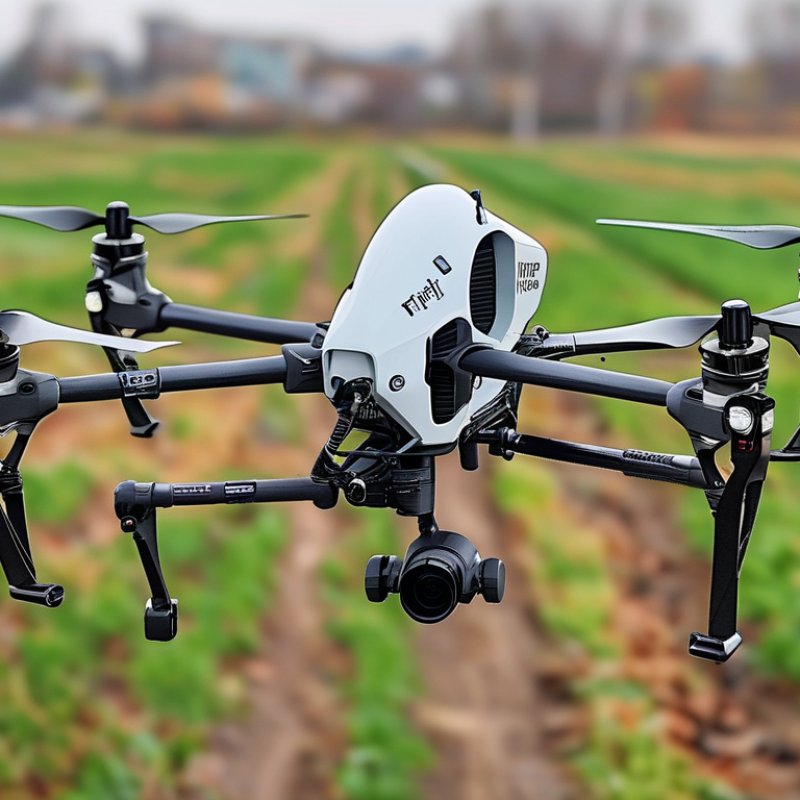
Overview of Unmanned Aerial Vehicles (UAVs) in the Global Market
Unmanned Aerial Vehicles (UAVs) have rapidly transformed industries across the globe. These drones are revolutionizing sectors such as agriculture, disaster response, and logistics. Users appreciate their versatility and cost-effectiveness. Moreover, UAVs enhance data collection efforts, allowing for precise mapping and surveillance.
The global market for UAVs presents unique opportunities and challenges. There is a growing demand for advanced technology, including improved battery life and enhanced payload capacities. However, logistical and regulatory barriers can impede progress. Many countries impose strict regulations, which complicates international business. Buyers need to navigate these complexities carefully.
As UAV technology continues to evolve, buyers should stay informed. Emerging trends in AI and automation promise to shape the future of UAVs. Continuous education and adaptation are vital for successful integration. Identifying the right UAV for specific needs remains a challenging task, underscoring the importance of thorough research and consultation with industry experts.
Best Unmanned Aerial Vehicle Options for Global Buyers
| Type | Weight (kg) | Max Range (km) | Flight Time (hours) | Payload Capacity (kg) | Application |
| Fixed Wing | 20 | 100 | 10 | 5 | Surveillance |
| Multirotor | 15 | 15 | 5 | 3 | Delivery |
| Single Rotor | 25 | 50 | 8 | 8 | Photography |
| Tethered Drone | 10 | Unknown | Continuous | 2 | Security |
Key Factors to Consider When Selecting a UAV
When selecting an unmanned aerial vehicle (UAV), several key factors significantly impact the decision-making process. Flight time is crucial, especially for tasks like surveying or agriculture. The average UAV on the market has a flight duration of about 20 to 40 minutes. However, some advanced models exceed this, offering over an hour of flight time. This can greatly enhance efficiency and reduce the need for frequent recharges.
Payload capacity is another vital consideration. Depending on the intended use, UAVs can carry various payloads. For example, commercial drones typically manage between 1 to 10 kilograms. Heavy-lift models can handle even more, proving essential for industries needing robust equipment. Buyers should assess their specific needs, ensuring the UAV can accommodate required sensors or cameras.
Additionally, regulatory compliance cannot be overlooked. The rules governing UAV use can vary widely across regions. In the US alone, over 800,000 commercial drone registrations were recorded by mid-2023, highlighting the increasing popularity of UAVs. Understanding these regulations is vital for avoiding costly legal issues. Buyers should thoroughly research local laws before purchasing. The complexity of these regulations can sometimes lead to confusion, emphasizing the need for careful consideration and planning.
Popular Types of Unmanned Aerial Vehicles for Commercial Use
The utilization of unmanned aerial vehicles (UAVs) is transforming various industries. In commercial sectors, drones can streamline operations and improve efficiency. According to a 2022 report by the Federal Aviation Administration (FAA), the commercial drone market is projected to exceed $40 billion by 2026. This growth underscores the increasing adoption of UAVs in sectors like agriculture, construction, and logistics.
Popular UAV types, such as fixed-wing drones and multi-rotor drones, serve distinct commercial needs. Fixed-wing drones, with their long flight times and large coverage areas, are ideal for agricultural monitoring. They can map vast fields in a single flight, making them efficient for crop assessments. On the other hand, multi-rotor drones are favored for their agility. They excel in tasks that require precision, like surveying buildings or conducting inspections.
Despite their advantages, UAVs are not without challenges. Regulatory hurdles can hinder deployment, and privacy concerns often arise. Furthermore, battery life remains a limiting factor for many users. As this technology evolves, stakeholders must address these issues. A better understanding of UAV capabilities and limitations is crucial for effective application in commercial settings.
Leading UAV Manufacturers and Their Offerings Worldwide
The unmanned aerial vehicle (UAV) market offers a variety of choices for global buyers. The leading manufacturers provide specialized offerings to meet diverse needs. From personal drones to advanced surveillance aircraft, the options can be overwhelming. Consider the intended use before making a decision.
When selecting a UAV, assess factors such as flight time, payload capacity, and camera quality. Some models cater to hobbyists, while others suit commercial applications. Look for models with easy assembly and user-friendly interfaces. Prospective buyers should prioritize customer support and available warranties. Reliable manufacturers often provide extensive resources for training users.
Tips: Research reviews and real-world performance. Gather insights from industry professionals. Remember that technology evolves rapidly; staying updated is crucial. Don't rush your decision. Allow time for hands-on experience or demos. This can significantly influence your final choice.
Emerging Trends and Innovations in the UAV Industry
The UAV industry is rapidly evolving, offering diverse options for buyers worldwide. Innovations such as enhanced battery life and advanced sensors are shaping future designs. More buyers are looking for drones equipped with AI capabilities. These features increase efficiency and improve decision-making processes in real-time.
Emerging trends indicate a shift towards sustainable designs. Solar-powered drones are becoming more popular. They provide long-range capabilities without relying solely on traditional batteries. However, the integration of eco-friendly materials often comes with challenges, such as ensuring durability.
Tips for buyers: Look for drones with modular designs. This allows easy upgrades as technology advances. You may also want to consider how easy it is to obtain parts for repairs. Lastly, assess the software support for flight operations. Keeping up with these factors can enhance your UAV investment.
UAV Market Share by Type (2023)


 © Copyright 2020 Tianjin Tanghaidongyang Valve Co., Ltd. All Rights Reserved.