Best Water Ring Vacuum Pump for Efficient Industrial Use?
In the realm of industrial applications, the "Water Ring Vacuum Pump" stands out as a vital component. Dr. Emily Rhodes, a renowned expert in vacuum technology, emphasizes, "The efficiency of a water ring pump can significantly impact production outcomes." This quote underscores the importance of selecting the best pump for effective operations.
Water ring vacuum pumps utilize a rotating liquid ring to create a vacuum. This mechanism allows for consistent and efficient performance, especially in harsh environments. Industries such as pharmaceuticals and chemicals greatly benefit from these pumps. They provide reliable vacuum levels while minimizing energy use.
However, choosing the right water ring vacuum pump requires careful consideration. Factors like flow rate, application type, and maintenance demands play crucial roles. Some users may overlook these details, leading to subpar results. It's essential to reflect on specific needs and conduct thorough research to make informed decisions.
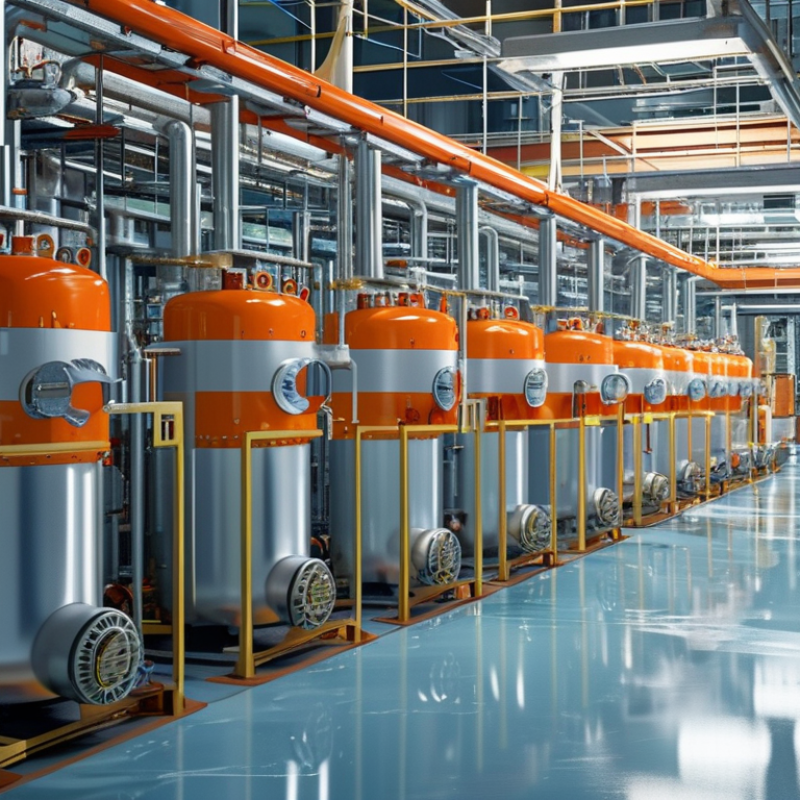
Overview of Water Ring Vacuum Pumps
Water ring vacuum pumps are essential in various industrial applications. Their unique design utilizes water as the operating fluid, making them efficient and environmentally friendly. These pumps create a vacuum by forming a water ring inside a rotating cylindrical chamber. As the rotor spins, the water ring moves to trap gases and vapors, creating a low-pressure zone.
The efficiency of water ring pumps makes them ideal for handling moisture-laden gases. They excel in scenarios where traditional pumps struggle, such as in chemical processing or food industries. However, proper maintenance is crucial. Routine checks ensure that the pump functions optimally. Regularly inspect the water level and quality, as contaminants can affect performance.
While these pumps offer significant benefits, they are not without challenges. A potential issue is the scaling that can occur over time. This can lead to reduced efficiency and increased energy consumption. Operators must stay vigilant and be prepared to address any signs of wear or damage. The balance between efficiency and upkeep is essential in maximizing the pump's lifecycle.
Key Features and Benefits of Water Ring Vacuum Pumps
Water ring vacuum pumps are essential in various industrial applications, offering unique advantages. They operate using water as the sealing medium, ensuring efficient gas removal and maintaining a stable vacuum level. The American Society of Mechanical Engineers (ASME) notes that these pumps can achieve vacuum levels as low as 0.5 Torr. This efficiency in performance makes them suitable for processes like chemical handling and food packaging.
One key feature of water ring vacuum pumps is their ability to handle condensable vapors. Unlike some other vacuum systems, they can effectively manage moisture. This capability is vital in industries that deal with volatile compounds. According to a report by the International Vacuum Society, these pumps reduce energy consumption by up to 30% compared to traditional systems. This statistic highlights their potential for cost savings and sustainability.
Tips: Regular maintenance is vital. Check for leaks and monitor water levels frequently. This ensures optimal performance and extends the pump's lifespan. Understanding the specific requirements of your process can prevent inefficiencies and enhance productivity. Consider conducting routine efficiency tests to pinpoint potential areas for improvement.
Best Water Ring Vacuum Pump for Efficient Industrial Use
This chart illustrates key performance metrics for water ring vacuum pumps, highlighting aspects such as pumping speed, power consumption, noise level, weight, and maintenance cost. These factors are essential for evaluating the efficiency and suitability of water ring vacuum pumps for industrial applications.
Comparative Analysis of Leading Models in the Market
When comparing leading water ring vacuum pumps for industrial use, efficiency is key. A recent report from the Vacuum Technology Association highlights that water ring pumps can reach vacuum levels as low as 25 mbar. This is efficient for various applications, including food processing and pharmaceuticals. However, some models consume more energy than others. Users must consider their specific needs closely.
Noise levels also play a role in selection. Reports indicate that many water ring models average around 60 dB. This is crucial for maintaining a comfortable working environment. Nevertheless, some units might not meet these standards, leading to operational challenges. Assessing sound emission, alongside performance metrics, is vital.
Additionally, maintenance requirements vary. While some models boast low maintenance needs, this can be misleading. Thorough inspections are often necessary to ensure consistent performance and reliability. Users should examine service capabilities and availability thoroughly. Investing in a high-quality, reliable water ring vacuum pump requires careful analysis of these factors to ensure long-term success.
Applications of Water Ring Vacuum Pumps in Various Industries
Water ring vacuum pumps are increasingly utilized in various industries due to their unique operational capabilities. They are particularly effective in processes where a gentle vacuum is necessary. This makes them ideal for applications in the chemical industry, where delicate materials must be handled without degradation. Their ability to maintain performance with the presence of moisture also makes them suitable for food processing, where cleanliness and efficiency are critical.
In addition to chemical and food industries, these pumps are valuable in the pharmaceutical sector. They support processes such as drying, distillation, and packaging. The minimal heat generation during operation safeguards sensitive compounds. However, while they offer numerous advantages, users must consider water source management. Continuous water supply can lead to increased operational costs and environmental concerns.
Furthermore, maintenance is essential for optimal performance. Users often overlook regular checks and cleaning, which can reduce efficiency over time. Balancing these challenges with the benefits is key. Water ring vacuum pumps remain a strong option, but awareness of their limitations is crucial for proper application in industrial use.
Maintenance Tips for Maximizing Efficiency and Longevity
Maintaining a water ring vacuum pump is essential for peak performance in industries. Regular upkeep ensures longevity and efficiency. Here are some actionable maintenance tips.
Monitor the water level routinely. Insufficient water can lead to overheating and reduced vacuum performance. It's crucial to keep the water clean. Filtration systems can help remove contaminants, which can otherwise damage components.
Check seals and gaskets frequently. Damaged seals allow air leakage, compromising the pump’s efficiency. Replace any worn-out parts promptly. This simple step can prevent larger issues down the line.
Occasionally, inspect the pump's motor. Listen for unusual noises that might indicate underlying problems. Vibrations can signal misalignment or imbalance. Address these issues immediately to avoid extensive damage. Keep maintenance records to track the pump's health and performance over time.
Best Water Ring Vacuum Pump for Efficient Industrial Use
| Model | Pump Type | Max Vacuum (mbar) | Flow Rate (m³/h) | Power (kW) | Weight (kg) | Maintenance Frequency |
| Model A | Water Ring | 33 | 120 | 5.5 | 150 | Monthly |
| Model B | Water Ring | 27 | 95 | 4.0 | 120 | Bi-Monthly |
| Model C | Water Ring | 25 | 85 | 3.0 | 100 | Quarterly |
| Model D | Water Ring | 30 | 110 | 6.0 | 175 | Yearly |


 © Copyright 2020 Tianjin Tanghaidongyang Valve Co., Ltd. All Rights Reserved.