China Best Batching Plants for Global Buyers to Consider?
When it comes to construction and infrastructure projects, the need for efficient and reliable Batching Plants is paramount. These plants play a crucial role in producing high-quality concrete for various applications. China has emerged as a key player in the global market, providing innovative solutions and advanced technology in batching plants.
Many global buyers seek to leverage China's expertise for their construction needs. The diverse range of batching plants available showcases China's ability to cater to different scales and specifications. Understanding the unique features, strengths, and potential shortcomings of these plants can ensure informed purchasing decisions.
By exploring the best batching plants in China, buyers can optimize their project timelines and increase overall efficiency. However, it is essential to remain vigilant. Not all products may meet international standards or specific project requirements. Therefore, thorough research and comparison are critical in identifying reliable suppliers. Empower yourself with the right information to make the best choice for your construction endeavors.
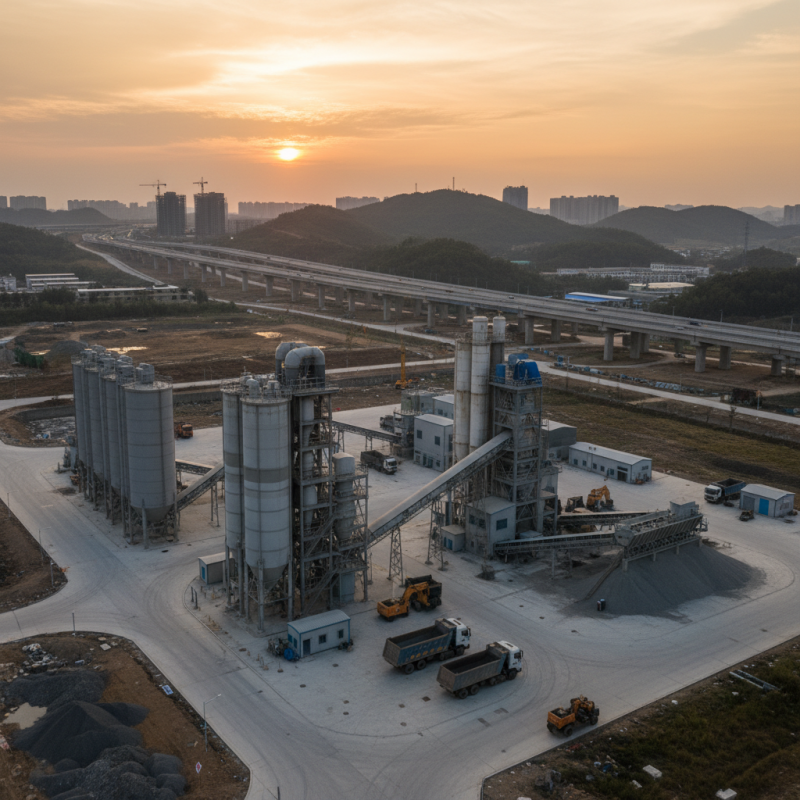
Overview of China's Batching Plant Industry and Its Global Significance
China's batching plant industry has grown remarkably in recent years. The country is now a leading player in supplying equipment for concrete production. This growth can be attributed to increased urbanization and infrastructure projects. Many global buyers look to China for advanced technology and cost-effective solutions.
The significance of China’s batching plants goes beyond just equipment. These plants are vital for large-scale construction projects worldwide. They offer precision and efficiency in concrete mixing processes. Buyers appreciate the strong engineering capabilities and innovative designs found in these plants. However, some buyers may face challenges in navigating the local market. Understanding regional regulations and quality standards can be complex.
Another consideration for purchasers is the variation in quality among manufacturers. Not all plants provide the same reliability or performance. Buyers should conduct thorough research to ensure they select the right suppliers. While Chinese batching plants can meet global demands, assessing technology and service quality is crucial. In a rapidly evolving industry, potential buyers must remain discerning.
Key Features to Consider When Selecting a Batching Plant from China
When selecting a batching plant from China, several key features deserve attention. The capacity of the plant is crucial. Buyers should consider their production needs carefully. A plant with inadequate capacity can lead to delays. Also, the type of materials used in construction affects durability. A robust design can enhance longevity, ultimately reducing costs.
Another important aspect is the level of technology used. Modern batching plants often incorporate automation. Automation can increase efficiency and accuracy in mixing. However, it requires skilled operators. Training may lead to added expenses. Buyers must weigh these factors against long-term benefits.
Lastly, consider customer support and service. Reliable after-sales support can be a lifeline. It’s important to know if spare parts are readily available. Local availability can ease the burden of maintenance. Some buyers report difficulties with sourcing parts. This issue may warrant further reflection before making a purchase. A careful evaluation of these elements can lead to a sound investment.
Top Batching Plant Manufacturers in China: A Comparative Analysis
When considering batching plants in China, it's essential to evaluate various manufacturers. Each company offers unique features and specifications. Some excel in technology integration, while others focus on energy efficiency. This diversity gives global buyers numerous options to fit specific needs.
Quality and reliability are crucial factors. Many plants are designed to meet international standards. However, not all manufacturers deliver consistently. Some may lack after-sales support or spare parts availability. It’s vital for buyers to inquire about these elements before making a decision.
Another factor is innovation. Some companies are pushing boundaries with advanced machinery. Yet, others may still rely on traditional methods. This gap can affect production speed and efficiency. Buyers should conduct thorough research, comparing technical specifications and customer feedback to ensure a beneficial investment.
Comparison of Batching Plant Production Capacities
Technological Innovations in Chinese Batching Plants for Efficiency
Chinese batching plants are pushing the boundaries of innovation. Recent data shows that these facilities are focusing on automation and smart technology. This shift enhances productivity and minimizes human error. For example, integrating IoT sensors allows real-time monitoring of materials and equipment. This results in a more efficient operation.
Moreover, energy-efficient designs are gaining traction. Many batching plants now utilize green technologies. Reports indicate that such innovations can reduce energy consumption by up to 30%. This reflects a growing commitment to sustainable practices.
However, while many plants embrace these advancements, challenges remain. Some operators struggle with the complexities of new technology. Training staff to use advanced systems can be time-consuming and costly. There is a need for continuous development and education in the field. Balancing modern efficiency with traditional practices often leads to hesitation. These are reflections that the industry must address to fully leverage technological innovations.
Export Trends: How Chinese Batching Plants Cater to Global Markets
Chinese batching plants are becoming essential for global buyers. The export trends show that these plants are adapting to diverse market needs. Their designs emphasize efficiency and reliability, appealing to various sectors.
Buyers should focus on specific features. For instance, evaluate the mixing capacity and energy consumption. This can greatly impact long-term operations. Furthermore, local regulations may affect what you need. Ensure that the equipment meets both international standards and regional requirements.
Another consideration is support after the sale. Reliable customer service and availability of replacement parts are crucial. If a plant encounters issues, quick solutions are necessary to minimize downtime. Understanding how these factors influence your project will lead to better decision-making. It's worth reflecting on the potential challenges that may arise when investing in foreign manufacturing equipment.


 © Copyright 2020 Tianjin Tanghaidongyang Valve Co., Ltd. All Rights Reserved.