Feather meal is a protein-rich ingredient made from cleaned poultry feathers. Raw feathers are mostly keratin, a tough structural protein that ordinary grinding cannot make highly digestible. They may look like soft fluff at the receiving area, yet form dense, springy clumps when wet. That contrast matters.
Hydrolysis uses controlled heat, moisture, and pressure to loosen keratin’s structure. In a typical process, feathers are screened, fed into a sealed vessel, treated, then dried and milled. The result can be a more digestible protein ingredient, provided treatment is even and the final meal is properly dried. Too little treatment may leave poorly digestible material; excessive processing can reduce nutritional quality. Settings vary.
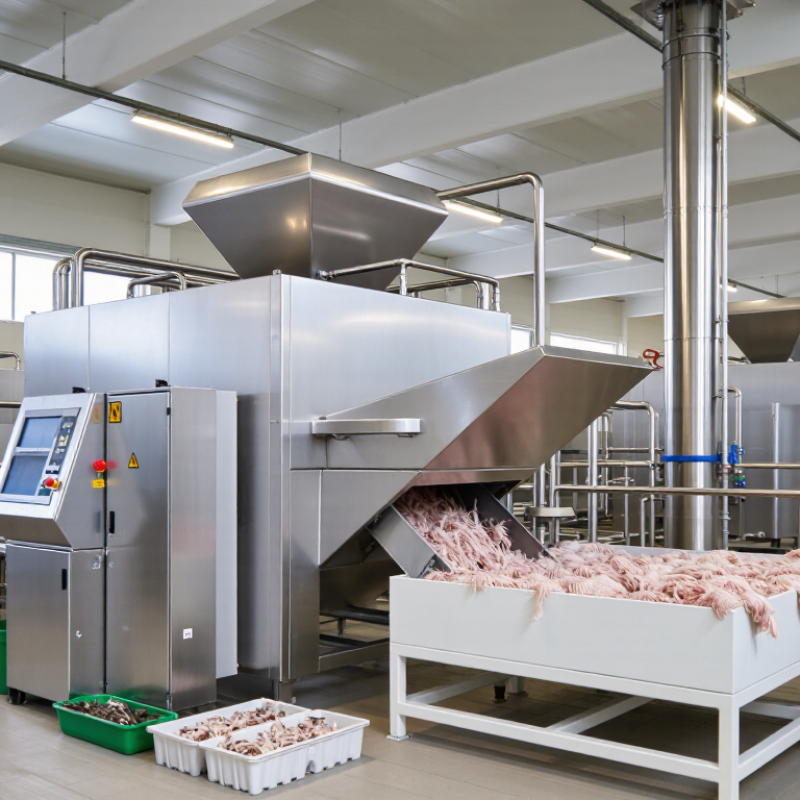
A practical line may include conveying, hydrolysis, drying, grinding, and dust control. When comparing feather meal processing machine prices, check capacity, energy use, contact materials, automation, and which components are included. Ask for trial data and routine checks, such as moisture and protein analysis. Small details count: wet feathers bridging in a hopper can interrupt an otherwise sound line. I would be cautious about claims based on one batch; raw materials vary, and process records matter.



 © Copyright 2020 Tianjin Tanghaidongyang Valve Co., Ltd. All Rights Reserved.