Choosing a hyperbaric chamber requires more than comparing pressure ratings. The UHMS 15th Edition defines clinical HBOT as near-100% oxygen inhaled above 1.4 ATA. Therefore, a 1.3 ATA chamber may support wellness or low-pressure applications, but it does not automatically meet clinical HBOT criteria.
Pressure changes oxygen delivery. At 1.3 ATA, breathing pure oxygen creates an oxygen exposure of about 1.3 ATA. At 2.0 ATA, that exposure rises to roughly 2.0 ATA. Air-breathing systems deliver far less oxygen. The actual result depends on mask seal, flow rate, ventilation, and treatment duration. Oxygen concentrators can also perform differently under pressure. These details are often overlooked.
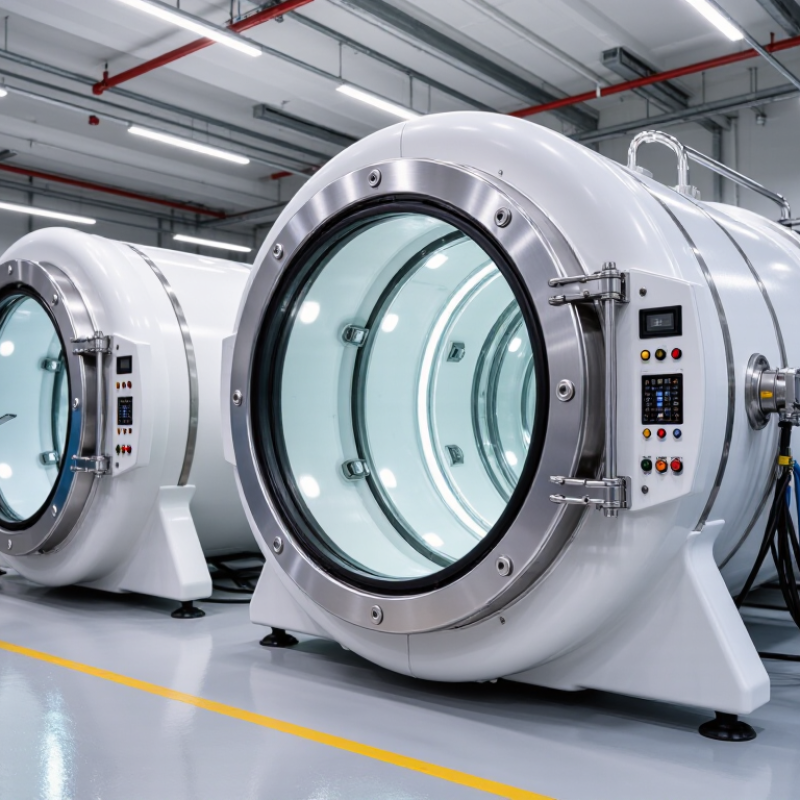
Capacity affects workflow and patient care. A compact chamber usually fits one person and needs less space, while a larger chamber may accommodate multiple occupants or clinical support equipment. However, larger volume increases oxygen management demands and can lengthen pressurization time. NFPA 99 guidance emphasizes strict control of oxygen-enriched environments and ignition sources. The FDA also warns that oxygen-rich chambers can intensify fire hazards. In practice, buyers should verify oxygen concentration, alarm accuracy, emergency exhaust, and cleaning procedures. A higher ATA rating is not automatically better. The right choice depends on prescribed use, staffing, patient mobility, and documented safety controls. My own assessment would remain cautious when a supplier provides pressure data but omits oxygen delivery measurements.



 © Copyright 2020 Tianjin Tanghaidongyang Valve Co., Ltd. All Rights Reserved.