Which Slaughtering and Processing Systems Suit Different Poultry Operations
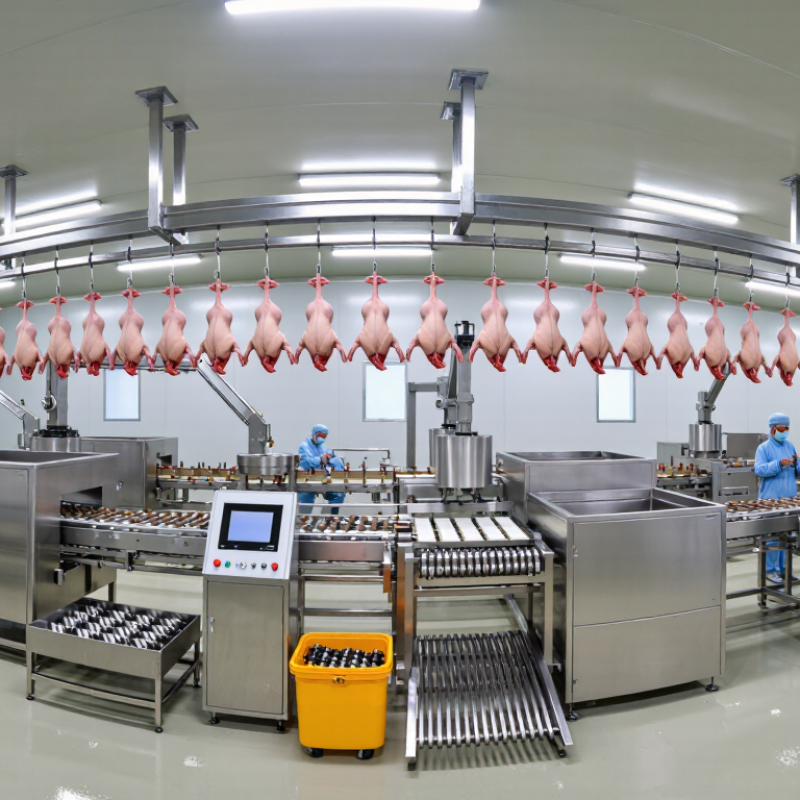
Poultry plants need equipment matched to bird volume, labor, and product mix. A small processor may need a compact line with controlled shackling, scalding, plucking, evisceration, and chilling. Modular stations can support gradual expansion, though manual handling may limit throughput and consistency. Scale matters. Larger plants often need automated conveyors, calibrated defeathering machines, and integrated chilling systems. These reduce bottlenecks, but only when maintenance, water supply, and trained operators are planned alongside capacity.
FAO’s 2024 Statistical Yearbook reports that poultry contributes roughly 40% of global meat production, underscoring the need for dependable, appropriately sized processing systems.
For high-volume operations, an integrated line can coordinate stunning, bleeding, scalding, plucking, evisceration, inspection, and chilling. The right line speed depends on bird size and the plant’s ability to maintain hygienic handling at every station. OECD-FAO Agricultural Outlook 2024–2033 projects poultry will account for about 45% of additional global meat production over the outlook period. That growth does not mean every plant should buy the fastest system. Smaller or mixed-species facilities may benefit more from flexible equipment and changeover space.
I would recheck one assumption: advertised capacity rarely reflects real output when cleaning, maintenance, and staffing are included. Ask suppliers for operating data under comparable conditions, including water use, downtime, and chilling performance.



 © Copyright 2020 Tianjin Tanghaidongyang Valve Co., Ltd. All Rights Reserved.