China Top Fully Electric Continuous Pyrolysis Plant? Performance, Energy Efficiency, and Environmental Benefits
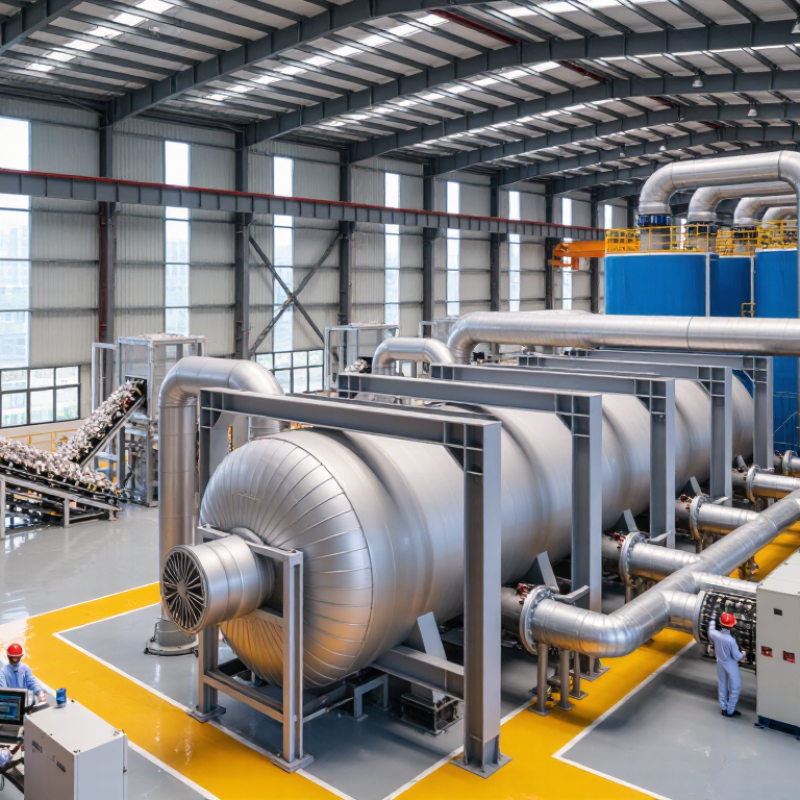
A fully electric continuous pyrolysis plant can provide steadier reactor temperatures than direct fuel burners. This matters when feedstock moisture and particle size change. In operating trials, temperature stability often improves product consistency and reduces unplanned shutdowns. However, public performance data remains uneven.
Reported energy demand for pyrolysis commonly ranges from 5 to 15 GJ per tonne, depending on feedstock and system design.
A 2023 review in Resources, Conservation & Recycling also noted major variation between laboratory results and commercial-scale performance. Real factory measurements matter more.
Energy Efficiency
Energy efficiency depends on heat recovery, insulation, and electricity sources. Recovering hot gas from the reactor can preheat incoming material and lower external power demand.
The International Energy Agency reported that renewables supplied about 30% of global electricity in 2023. Therefore, electric heating can reduce operational emissions in regions with cleaner grids.
The benefit is not automatic. The IPCC estimates lifecycle emissions near 820 grams of CO2e per kilowatt-hour for coal power, compared with about 11 for wind power. Electricity quality matters.
Environmental Performance
Environmental performance also requires careful gas cleaning and residue management. Continuous feeding may reduce repeated startup losses and improve labor safety. Yet electricity consumption, transport, and downstream refining can weaken the carbon advantage.
UNEP’s 2024 Global Waste Management Outlook projects municipal waste could reach 3.8 billion tonnes annually by 2050.
This creates pressure for better recovery systems, but pyrolysis should not be treated as a universal solution. Independent monitoring is still essential.



 © Copyright 2020 Tianjin Tanghaidongyang Valve Co., Ltd. All Rights Reserved.