China Top 10 Mould Components Manufacturers? This question deserves more than a simple supplier list. Mould Components influence alignment, cooling performance, ejection accuracy, cycle time, and tool longevity. A small guide pin error can create visible part defects. A poorly finished ejector pin can stop production unexpectedly.
This overview examines leading Chinese manufacturers through practical purchasing criteria. These criteria include machining precision, material quality, surface treatment, dimensional consistency, delivery capability, and technical support. It also considers whether manufacturers provide standard parts, customized components, and reliable inspection records. Dr. Georg Gärtner, a former HASCO managing director, stated, “Standardization is the key to efficiency in mould making.” That principle remains highly relevant for modern tooling programs.
However, no ranking should be treated as permanent. Supplier capabilities change. Public information can also be incomplete. Some manufacturers publish impressive catalogs but provide limited evidence about real production performance. Others may have strong workshops but weaker international communication. This creates a difficult comparison.
The companies discussed here are evaluated from a buyer’s perspective. Their experience with precision manufacturing matters. Their quality systems matter even more. Buyers should still request samples, inspection reports, material certificates, and current production references. A factory visit may reveal details that a website cannot show.
The goal is not to declare one universal winner. It is to identify manufacturers worth deeper investigation. Choosing the right Mould Components partner requires technical judgment, careful verification, and sometimes a second look at attractive claims.
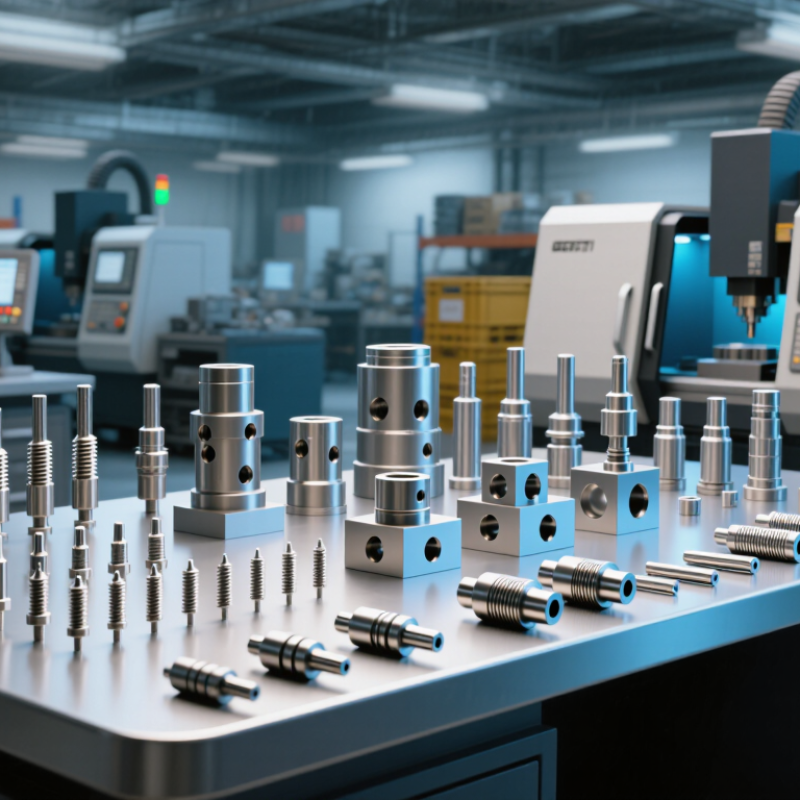
Mould components are the working parts inside a mould tool. They include cavity and core inserts, guide pillars, ejector pins, sliders, sprue bushings, and cooling channels. Each part controls alignment, filling, release, or heat removal.
Small parts, large consequences.
A worn guide pillar can create flash, uneven wear, or repeated production stoppages.
Their importance becomes clearer through industry data. Grand View Research reported that the global plastic injection moulding market was valued at approximately USD 42 billion in 2022, with continued growth expected through 2030.
MarketsandMarkets also forecast the injection moulding machine market to reach about USD 16.9 billion by 2028. These figures reflect strong demand for stable, repeatable tooling.
However, market growth does not automatically guarantee good mould performance.
In practical toolmaking, component selection affects cycle time, dimensional accuracy, maintenance cost, and product consistency.
Cooling channels must remove heat evenly around thick sections.
Ejector pins need suitable spacing and support, especially under high release loads.
Standardized dimensions can simplify replacement and reduce downtime.
Yet, a standard part is not always the best part. Material grade, surface treatment, tolerances, and operating temperature still require review.
Engineers should verify these choices through mould-flow analysis, trial runs, inspection records, and preventive maintenance data.
A perfect checklist rarely exists.
That weakness deserves attention.


 © Copyright 2020 Tianjin Tanghaidongyang Valve Co., Ltd. All Rights Reserved.