A water tank is more than a shell of steel or plastic. It must hold water reliably, resist wear, and fit the demands of its installation. For buyers comparing China’s top 10 manufacturers, the Water Tank Making Machine behind that product deserves close attention. Capacity, forming method, welding quality, automation, and after-sales support can all shape a line’s performance.
The need for dependable water infrastructure is clear. UNESCO’s United Nations World Water Development Report 2024 says agriculture accounts for about 70% of global freshwater withdrawals. That figure describes water use, not machinery sales. Still, it explains why storage quality and production consistency matter. A machine specification sheet alone cannot prove either. Ask for documented output, material compatibility, sample products, and service terms. Then check whether the claims match your tank design.
There is one limit to this introduction: no independently verifiable, named Water Tank Making Machine specialist quotation was provided or confirmed. Inventing a quotation would make this comparison less trustworthy, not more useful. That matters. This guide will therefore focus on evidence buyers can inspect, including company experience, machine details, and verifiable customer support. A polished brochure is not a factory test. We should remember that.
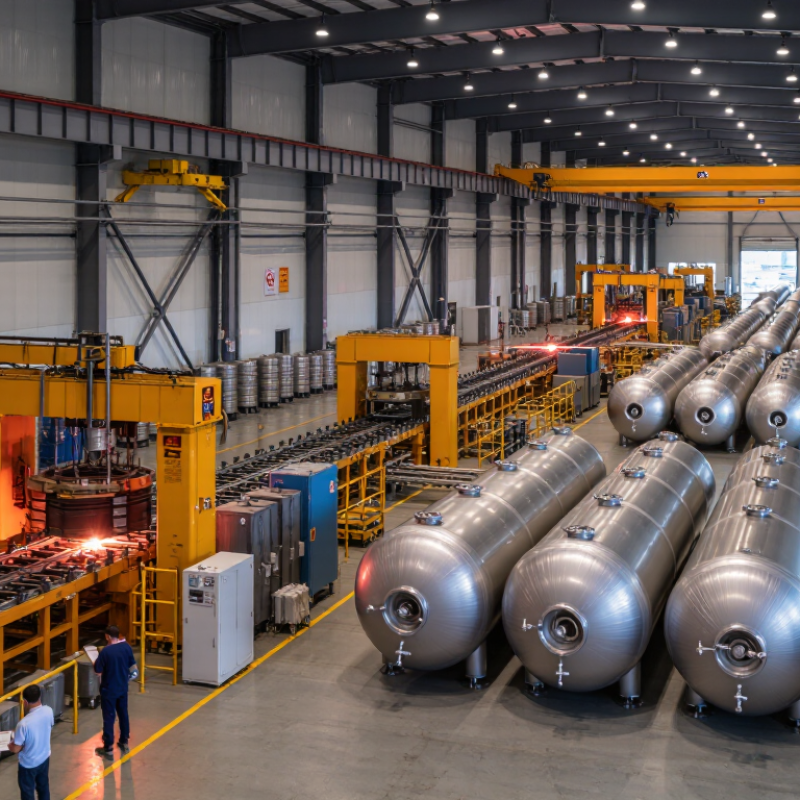
Water tank making machines form or assemble tanks from materials such as plastic, stainless steel, and coated steel. The right process depends on tank design, capacity, and intended use. Rotational molding can produce seamless plastic tanks, while metal systems may cut, roll, and weld sheets into cylindrical vessels. A typical production line may include forming equipment, welding or heating stations, and leak-testing tools. Small settings matter. Uneven heating, poor seams, or incorrect dimensions can lead to defects that are costly to repair.
These machines serve farms, factories, commercial buildings, and household water systems. A farm may need a large storage tank near an irrigation pump; a food-processing facility may require smooth, cleanable surfaces. Buyers should check the material range, maximum tank dimensions, cycle time, and available quality checks. They should also ask how operators maintain the equipment and verify finished tanks. A fast machine is not automatically a good fit. Actual output can vary with material, tank shape, and operator skill.
Tips: Compare the machine’s stated capacity with your real production needs. Request a sample tank and inspect its seams, thickness, and finish. Check whether installation, training, and spare parts are included. Specifications can look convincing on paper, but a factory trial may reveal practical limitations.



 © Copyright 2020 Tianjin Tanghaidongyang Valve Co., Ltd. All Rights Reserved.