For global buyers, “best” does not mean the cheapest China skincare set box supplier. It means consistent quality, clear documentation, and reliable communication.
McKinsey’s 2024 beauty market analysis projects global beauty sales to approach 590 billion US dollars by 2028. Skincare remains the largest category, representing about 40% of the market. This growth increases pressure on suppliers to prove their manufacturing discipline.
A capable supplier should provide ingredient specifications, batch records, stability testing, and packaging compatibility data. ISO-based quality procedures are useful, but certificates alone cannot prove daily performance.
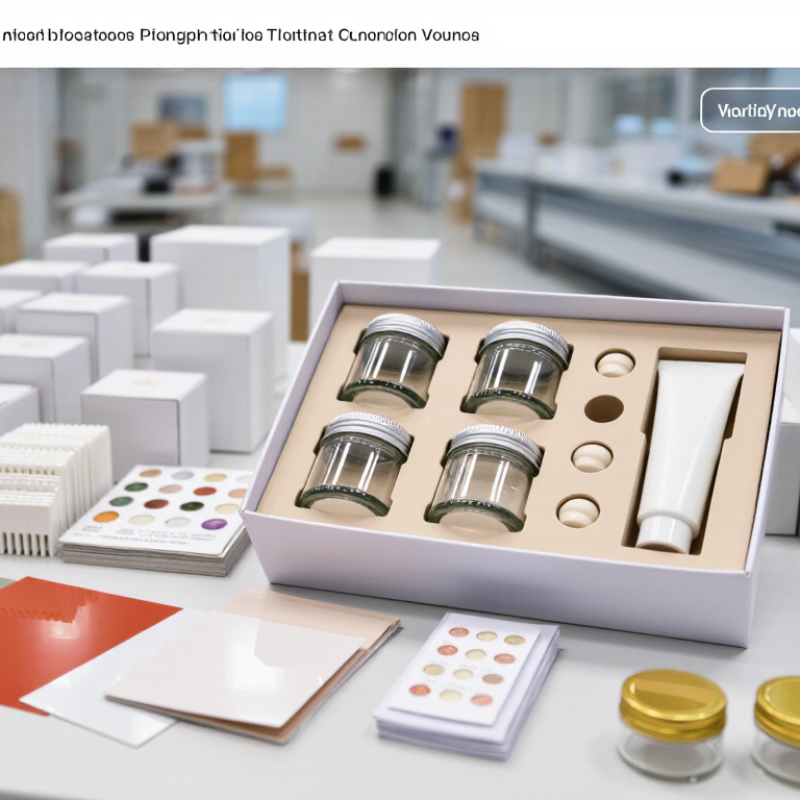
Buyers should request recent inspection records, sample comparisons, and production photographs. A practical check includes opening several finished boxes. Look for clean seals, readable labels, uniform filling, and stable textures. Small defects often reveal larger process weaknesses.
Packaging also deserves technical attention. The box should protect jars, tubes, or bottles during international transport. Suppliers should explain carton strength, inner protection, and humidity control.
The minimum order quantity must match the buyer’s testing budget and sales forecast. A low price can hide expensive revisions.
No supplier is perfect. I would still question suppliers that promise every finish, formula, and delivery date without evidence. Euromonitor International identifies product quality, ingredient transparency, and convenience as important beauty purchasing factors. Therefore, the strongest supplier combines factory experience with honest limitations, measurable quality controls, and responsive after-sales handling.


 © Copyright 2020 Tianjin Tanghaidongyang Valve Co., Ltd. All Rights Reserved.