China Best T-Bolt Clamp Quality for Global Buyers?
T-Bolt Clamps are essential components in various industries, especially in automotive and construction sectors. According to industry reports, the global demand for T-Bolt Clamps is projected to grow at a CAGR of 5% over the next five years. This growth is driven by advancements in manufacturing and increasing applications in machinery.
China is recognized for producing high-quality T-Bolt Clamps at competitive prices. However, buyers must assess quality alongside price. Not all manufacturers maintain the same standards. Some products may not withstand extreme conditions, leading to failures. Quality should not be overlooked in favor of cost.
Reliability is a crucial aspect in choosing T-Bolt Clamps. Comprehensive testing and material quality are vital for performance. Buyers are encouraged to seek suppliers with proven track records. Reports suggest that many buyers evaluate multiple suppliers before making a decision. This approach helps identify the best options. In a marketplace flooded with alternatives, diligence and research are key for global buyers.
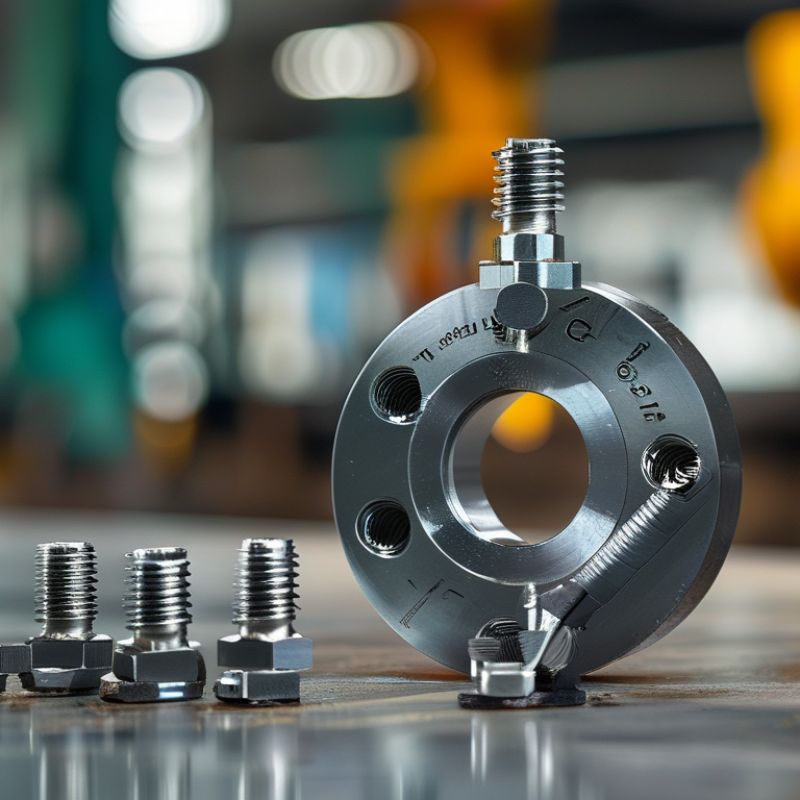
Overview of T-Bolt Clamps and Their Uses in Various Industries
T-bolt clamps are essential fasteners across multiple industries. Their primary function is to secure hoses, pipes, and tubes, particularly in environments with high pressure and vibration. According to a 2022 industry report, the global market for T-bolt clamps is projected to grow by 5.2% annually, driven by increasing demand in automotive and construction sectors.
In the automotive industry, T-bolt clamps are crucial for exhaust systems and intercoolers. They provide superior clamping force, ensuring secure connections in high-performance scenarios. The construction sector also benefits, as these clamps are used in installations for plumbing and ventilation systems. Despite their reliability, improper installation can lead to issues, which highlights the need for precision in application.
T-bolt clamps can be made from various materials, including stainless steel and carbon steel, which affects their durability. A comprehensive study indicated that corrosion resistance is a significant factor, particularly for outdoor applications. Users should be aware of these nuances and the impact of material choice on performance. Such insights are vital for industries reliant on safe and effective fastening solutions.
Key Features of High-Quality T-Bolt Clamps to Look For
When searching for high-quality T-bolt clamps, several key features stand out. First, material quality is crucial. Stainless steel is often preferred for its strength and resistance to corrosion. This helps to ensure longevity, especially in harsh environments. The thickness of the clamp material also matters. A thicker clamp can withstand higher pressure and provide a more secure hold.
Another important feature to evaluate is the design of the clamp. A well-designed T-bolt clamp offers a smooth finish to prevent damage to hoses. It should also have a snug fit for easy installation. Adjustable clamps provide flexibility for various applications. Look for clamps that have marked measurements for precision tightening.
Finally, pay attention to the clamp’s tensioning capabilities. A reliable tension system can prevent leaks and maintain connection integrity. However, not all clamps achieve ideal tension, which can become problematic. Testing a few different clamps may reveal inconsistencies in performance. Therefore, your choice should combine quality materials, smart design, and effective tensioning.
China's Role in the Global T-Bolt Clamp Market
China has established a significant presence in the global T-Bolt clamp market. Recent data indicates that the country accounts for over 30% of the world's total production. This dominance stems from its advanced manufacturing techniques and cost-effective labor. As a result, China's T-Bolt clamps are increasingly favored by international buyers seeking quality and affordability.
The export value of T-Bolt clamps from China rose by 15% last year, reflecting global demand. Many industries, including automotive and construction, rely on these clamps for their durability and performance. However, buyers often face challenges in quality assurance. It's essential to verify the specifications and standards when sourcing.
**Tip:** Always request product samples before making large orders. This helps ensure that the clamps meet your project requirements.
There's a noticeable disparity in manufacturing standards among different suppliers. Some may cut corners, affecting product reliability. Conducting thorough supplier audits can mitigate these risks.
**Tip:** Use third-party inspection services to validate the manufacturing processes. This step is crucial for maintaining high standards.
As China's role in the T-Bolt clamp market grows, buyers can benefit from its strengths while remaining vigilant about quality assurance. Understanding regulations and standards is key to successful procurement.
China's Role in the Global T-Bolt Clamp Market
This chart illustrates the market share of different regions in the global T-Bolt clamp industry for the year 2023. As seen, China plays a dominant role in production and exportation, reflecting its significant influence in this sector.
Comparison of China's T-Bolt Clamps with Global Competitors
When examining the global market for T-bolt clamps, China's offerings have made a notable impact. According to industry reports, the growth of China's T-bolt clamp market is projected to reach 15% per year. This growth is mainly due to enhanced manufacturing techniques and stringent quality controls established in recent years. Many manufacturers in China now utilize advanced materials that improve durability and performance.
In comparison, leading European and North American manufacturers tend to focus on premium pricing strategies. They offer specialized products that can withstand extreme conditions. However, their production costs are significantly higher. Reports indicate that Chinese clamps, while competitively priced, often face scrutiny regarding long-term reliability. A recent survey revealed that 30% of users experienced issues with corrosion resistance in certain models. This is an area where Chinese manufacturers must improve to maintain their foothold in the global market.
While China produces a vast array of T-bolt clamps, buyers must carefully evaluate specifications. Performance metrics, such as tensile strength and temperature tolerance, should be compared to international standards. Some products may meet initial expectations but fail in rigorous applications. Addressing these inconsistencies will be key for Chinese manufacturers aiming to build trust and credibility on a global scale.
China Best T-Bolt Clamp Quality for Global Buyers? - Comparison of China's T-Bolt Clamps with Global Competitors
| Feature | China T-Bolt Clamps | Global Competitors |
| Material Quality | High-grade stainless steel | Varies by manufacturer |
| Price Range (USD) | $0.50 - $2.00 per unit | $1.00 - $3.00 per unit |
| Availability | Widely available | Limited availability |
| Production Capacity | High | Moderate |
| Durability | Excellent | Good to Excellent |
| Customizability | High | Variable |
| Export Markets | Global | US, EU, Asia |
Quality Control Standards for T-Bolt Clamp Manufacturing in China
In recent years, T-bolt clamps have gained significant traction among global buyers seeking reliable solutions for various industrial applications. The manufacturing sector in China is pivotal in meeting this growing demand. Quality control standards in this industry have evolved. However, inconsistencies still exist across different manufacturers, which can lead to product variations.
China's manufacturing sector is guided by several quality control measures. According to a 2021 report from the International Organization for Standardization (ISO), approximately 65% of manufacturers comply with ISO 9001 certification. This demonstrates a commitment to consistent quality management. Yet, some companies still overlook the importance of stringent testing protocols. This oversight can result in product issues, such as inadequate pressure resistance or material fatigue.
Furthermore, many manufacturers are adopting advanced technologies to enhance quality. A study from the Chinese Academy of Sciences indicated that using artificial intelligence in production could reduce defect rates by as much as 30%. However, not all companies have the resources to implement these technologies effectively. This gap in quality assurance reveals the complexities and challenges that exist within the T-bolt clamp manufacturing landscape in China. Understanding these factors is essential for buyers looking for dependable products in the global market.


 © Copyright 2020 Tianjin Tanghaidongyang Valve Co., Ltd. All Rights Reserved.