China Top 10 Hydraulic Pump Physics Insights for Global Buyers?
In today's industrial landscape, understanding the nuances of hydraulic pumps is crucial for global buyers. The phrase "гидравлический насос физика" encapsulates the complex physics behind these essential machines. Buyers need to grasp how different pump designs impact efficiency and performance. This knowledge can significantly influence purchasing decisions.
When exploring China’s top hydraulic pump manufacturers, one must consider various factors. The manufacturing techniques employed, the quality of materials, and technological advancements are pivotal. Each aspect plays a role in the physics of hydraulic pumps, affecting their functionality. However, not all pumps meet the same standards. Some may fall short in reliability or efficiency, prompting a need for careful evaluation.
Awareness of these intricacies helps buyers avoid costly mistakes. Markets are flooded with options, but not all hydraulic pumps will perform as expected. A deeper understanding of "гидравлический насос физика" can lead to smarter investment choices. Ultimately, the objective is to align quality with business needs, ensuring longevity and reliability in hydraulic systems.
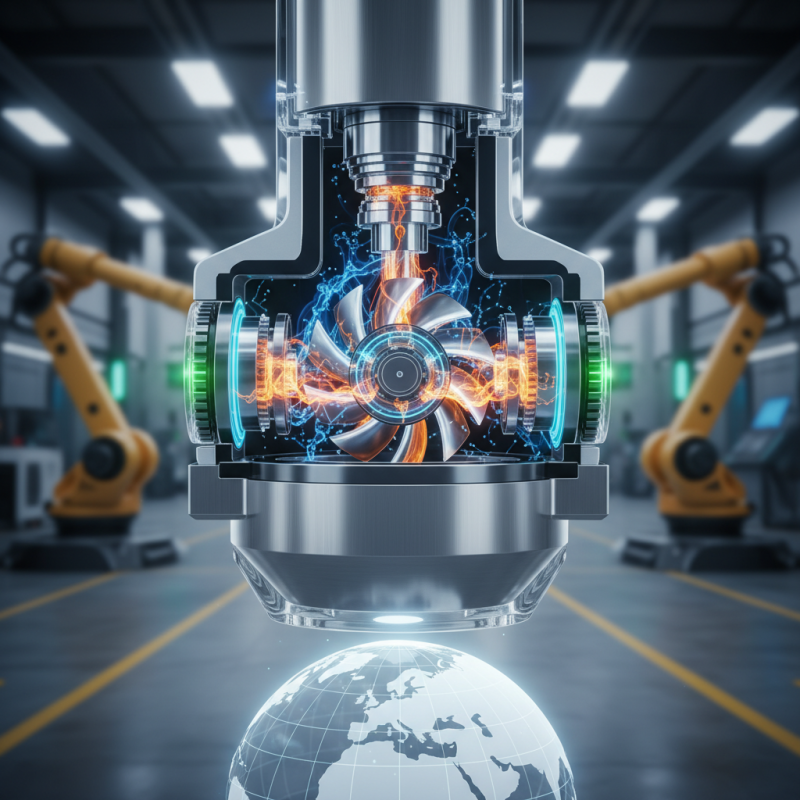
China's Leading Hydraulic Pump Technologies and Innovations
China's hydraulic pump industry is making significant strides in technology and innovation. Key advancements are driving performance and efficiency. One area of focus is energy efficiency. Many new pumps are designed to minimize energy consumption while maximizing output. This reduces operational costs and environmental impact.
Innovative materials are also shaping the industry. New composites and alloys enhance durability and reduce weight. Lighter pumps are easier to install and transport. Enhanced seals and coatings improve resistance to wear and corrosion. Such features contribute to longer lifespans and fewer maintenance needs.
Smart technologies are increasingly integrated into hydraulic pumps. Sensors monitor performance in real time. This data helps optimize operation and predict maintenance needs. As these technologies evolve, they offer insights that improve efficiency. Balancing innovation with reliability remains a challenge. Continuous adjustments are necessary to ensure these systems work effectively in diverse environments.
Understanding Hydraulic Pump Efficiency and Performance Metrics
Hydraulic pumps are vital in various industries, and understanding their efficiency is crucial for global buyers. Efficiency metrics often include volumetric efficiency and mechanical efficiency. Volumetric efficiency indicates how well the pump converts rotation into fluid movement. A higher percentage means less energy loss. For instance, a noted industry report highlighted that many quality hydraulic pumps achieve around 90% volumetric efficiency under optimal conditions.
Mechanical efficiency, on the other hand, reflects how much of the input energy is converted into useful output. This typically ranges from 85% to 95%, depending on pump design and operating conditions. Buyers often overlook minor variations in these metrics. These small inefficiencies can significantly affect overall performance and operational costs. Implementing the right metrics analysis can uncover these hidden inefficiencies and highlight potential areas for improvement in pump designs.
In addition, hydraulic pump performance is influenced by factors such as pressure and fluid viscosity. Operating beyond the recommended pressure can lead to cavitation, causing damage and reducing efficiency over time. Understanding these variables is essential. Buyers should critically evaluate performance data and seek pumps that not only meet their requirements but also provide reliability over time. In a competitive market, these insights enable informed decisions that optimize operational effectiveness.
Key Factors Influencing Hydraulic Pump Selection for Buyers
When selecting hydraulic pumps, global buyers must consider several key factors. The pump's flow rate is crucial. A report from the Hydraulic Institute states that an optimal flow rate can enhance system efficiency by up to 30%. Buyers should analyze specific application requirements to determine the appropriate rate.
Pump pressure ratings are equally important. According to a study published by the International Organization for Standardization (ISO), incorrect pressure settings can lead to equipment failure and costly downtime. Opting for the right pressure level can prevent these issues.
Another factor is the material of construction. Different applications may require specific materials to withstand various fluids and temperatures. For instance, pumps designed for corrosive fluids typically use stainless steel or specialized alloys. Yet, there is a trade-off. Higher-quality materials often come with increased costs.
The learning curve for selecting hydraulic pumps can be steep. Understanding energy efficiency and compatibility is essential. Potential buyers may overlook vital details, leading to suboptimal performance. Therefore, investing time in research and consulting experts is advisable.
China Top 10 Hydraulic Pump Physics Insights for Global Buyers
This bar chart illustrates key factors influencing hydraulic pump selection for buyers. The metrics presented include flow rate, pressure, efficiency, weight, noise level, speed, temperature range, material quality, durability, and cost. Understanding these characteristics aids global buyers in making informed decisions when selecting hydraulic pumps.
Market Trends and Future Projections for Hydraulic Pumps in China
The hydraulic pump market in China is experiencing significant shifts. Innovation is driving efficiency, with manufacturers focusing on compact designs. Sustainability is a key concern. Many companies are integrating eco-friendly materials and technologies. This trend aligns with global demands for greener solutions. However, the transition is not without challenges.
Unexpected supply chain disruptions have impacted production timelines. Rising costs of raw materials have also created pricing pressures. Additionally, the labor market poses uncertainties. Skilled workers are in high demand but short supply. Buyers must stay informed about these dynamics.
As China continues to expand its influence, understanding regional trends is essential for global buyers. Potential growth areas include mobile machinery and renewable energy projects. Investing in local partnerships may foster better insights. Observing how regulatory changes evolve offers further clarity for future strategies. Ultimately, adapting to this fast-changing landscape requires continuous learning and flexibility.
Best Practices for Sourcing Hydraulic Pumps from Chinese Manufacturers
Sourcing hydraulic pumps from Chinese manufacturers requires careful consideration. Many businesses overlook the importance of assessing the quality standards of these products. A recent report indicates that around 40% of imported hydraulic pumps do not meet international specifications. This is a significant concern for global buyers.
When evaluating suppliers, it is crucial to focus on their manufacturing processes. Look for companies with ISO certifications. This ensures adherence to quality management practices. Engaging with vendors who have a transparent supply chain can help mitigate risks. A study found that 65% of successful importers prioritize supplier reliability and quality over cost.
Moreover, communication is key in sourcing. Language barriers can lead to misunderstandings about product specifications. Investing time in establishing clear communication channels can ultimately save costs and improve outcomes. A noteworthy fact is that effective communication can reduce order discrepancies by up to 30%. Therefore, taking the time to refine the sourcing strategy can yield better results.


 © Copyright 2020 Tianjin Tanghaidongyang Valve Co., Ltd. All Rights Reserved.