China Top Waste Incineration Power Plant Solutions for Buyers?
As the demand for sustainable energy solutions grows, Waste Incineration Power Plants play a crucial role in waste management and energy production. According to a report by the International Energy Agency, the global market for waste-to-energy technologies is projected to reach $30 billion by 2025. This rise reflects increasing investments in renewable energy.
Dr. Emily Chen, a leading expert in waste management, emphasizes, “The advancement in waste incineration technology can significantly reduce landfill reliance.” Her insights highlight the potential of Waste Incineration Power Plants in minimizing waste while generating clean energy. However, challenges remain, such as balancing emissions and ensuring efficiency.
The development of these plants requires careful planning and execution. Ensuring compliance with environmental standards is essential. Additionally, potential buyers must navigate the complexities of technology selection and operational management. Understanding these factors can lead to successful implementation and positive outcomes.
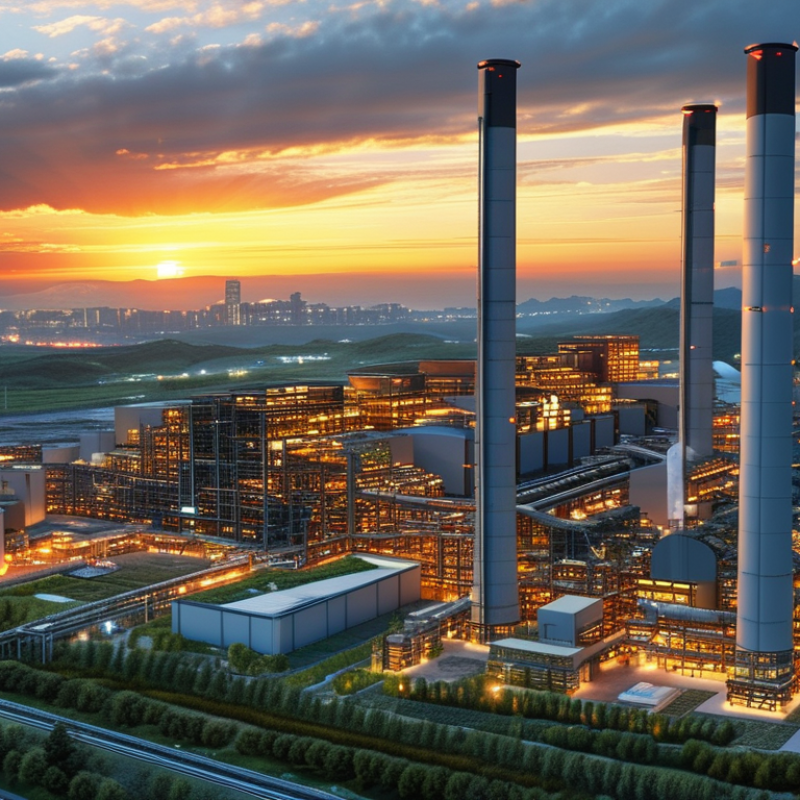
Overview of Waste Incineration Power Plants in China
China has made significant strides in waste management through waste incineration power plants. These facilities convert waste into energy, reducing landfill use and producing electricity. The technology involves high-temperature combustion processes. They break down waste, minimizing harmful emissions with advanced filtration systems. This approach addresses China’s growing waste crisis effectively.
Despite the progress, challenges remain. Some localities struggle with community acceptance of incineration facilities. Public awareness of the environmental benefits is crucial. Every plant requires stringent monitoring to ensure compliance with environmental standards. Balancing energy production and eco-friendliness is complex. Continuous improvement in waste sorting and emissions control is needed.
Investing in waste incineration power plants presents an opportunity for sustainable development. As urbanization grows, the demand for effective waste disposal solutions increases. Innovative technologies must be embraced. Training skilled personnel to manage these plants is essential. Collaboration between government, businesses, and the public can enhance effectiveness. Achieving a cleaner environment while encouraging energy production requires thoughtful planning and implementation.
Key Technologies Used in China's Waste Incineration Plants
Waste incineration is gaining traction in China as a solution for managing waste effectively. Key technologies used in these plants play a vital role. For instance, flue gas treatment systems ensure emissions meet stringent environmental standards. A report by the China National Renewable Energy Centre states that waste incineration can reduce waste volume by 90%. This is crucial as urban areas struggle with rising waste levels.
Advanced combustion technologies enhance energy recovery. Many modern incinerators employ air-cooled grate systems. These systems improve combustion efficiency and reduce ash production. Data indicates that the net energy generated per ton of waste can reach 600 kWh. This is equivalent to powering approximately 200 homes for a month.
**Tip:** When evaluating incineration technologies, consider the lifecycle of the plant. The design phase should prioritize emission control systems. Remember, outdated technology may lead to higher operational costs and environmental penalties. Effective waste management is not just about burning trash; it involves a comprehensive, responsible approach.
Benefits of Waste Incineration Power Generation for Urban Waste Management
Waste incineration power generation offers significant advantages for urban waste management. According to a 2022 report by the International Energy Agency, waste-to-energy solutions can reduce landfill use by up to 80%. This is crucial in urban areas where space is limited. The process transforms waste into energy, producing steam and electricity that can power local facilities.
Moreover, incineration minimizes greenhouse gas emissions compared to traditional waste management methods. The World Bank highlights that converting waste into energy can reduce carbon dioxide emissions by approximately 1.5 million tons annually for a city of one million inhabitants. However, cities must carefully monitor emissions from incineration plants to ensure compliance with environmental standards.
The financial benefits are also notable. A 2023 study revealed that waste incineration can provide a return on investment within ten years due to reduced landfill fees and energy sales. Nevertheless, the initial cost of building incineration facilities can be high. Municipalities must weigh these factors while planning sustainable waste management systems. Investing in technology and infrastructure is essential for achieving long-term success and minimizing potential drawbacks.
Benefits of Waste Incineration Power Generation for Urban Waste Management
This bar chart illustrates the significant benefits of waste incineration power generation in terms of various relevant factors for urban waste management. The data reflects the positive impact on carbon emissions reduction, energy generation, and waste volume reduction.
Regulatory Framework and Standards for Incineration Facilities in China
China's regulatory framework for waste incineration power plants plays a crucial role in environmental protection. The country’s Ministry of Ecology and Environment sets strict standards for emissions. According to a 2022 report by the International Energy Agency, incineration facilities must adhere to limits on dioxins and particulate matter. Continuous monitoring ensures that these plants operate within safe parameters.
The standards also encompass waste classification. Only sorted and non-hazardous waste can be processed. This encourages municipal solid waste sorting at the source. Additionally, in 2021, China introduced a National Standard for the Environmental Protection of Waste Incineration Power Plants. This includes guidelines for both design and operational efficiency.
Tip: Regular audits are essential for compliance. Third-party assessments can provide an objective view of operational standards. Stakeholders should invest in training for staff to keep up with regulatory changes. A well-informed team can significantly improve facility performance. Incineration remains a contentious method, requiring ongoing reflection on its environmental impact. Continual improvement is vital as technology evolves and new challenges emerge.
Considerations for Buyers of Waste Incineration Power Plant Solutions
Investing in waste incineration power plants requires careful consideration. Many factors influence the decision-making process. It is crucial to understand the technology behind the plants. Some systems can convert waste efficiently, while others may fall short. Researching the efficiency rates is one step towards making an informed choice.
Understanding local regulations is essential. Each region has different rules regarding emissions and waste management. Failure to comply can lead to costly fines. Additionally, evaluating the supplier's experience is vital. Look for companies with a proven track record in waste-to-energy projects. They should demonstrate knowledge of safety requirements and environmental standards.
**Tip:** Always visit existing plants if possible. Seeing operations in action provides valuable insight. Furthermore, assess the maintenance support available. Some systems require frequent upkeep, while others are more reliable.
Lastly, consider the financial aspects of the investment. High upfront costs may deter some buyers, but long-term savings can justify the expense. Compare various financing options. Each choice carries different risks and benefits.
**Tip:** Don’t overlook community feedback. Engaging with local stakeholders can reveal concerns or benefits you might not have considered. This approach helps build trust and can improve project acceptance.
China Top Waste Incineration Power Plant Solutions for Buyers
| Feature | Description | Importance | Estimated Cost (USD) |
| Technology Type | Advanced Thermochemical | High Efficiency | 1,000,000 |
| Capacity | 500 Tons per Day | Optimal for Urban Areas | 800,000 |
| Emission Control | Flue Gas Treatment System | Environmental Compliance | 200,000 |
| Energy Recovery | Electricity Generation | Revenue Generation | 150,000 |
| Operational Training | Staff Training Programs | Safety and Efficiency | 50,000 |


 © Copyright 2020 Tianjin Tanghaidongyang Valve Co., Ltd. All Rights Reserved.