Certificates

Certificates

Why Choose a Combination Wrench for Your Toolbox?

A Combination Wrench earns its place in a toolbox through a simple advantage: two working ends in one tool. The open end slips onto a fastener quickly, while the box end offers a more secure grip when access allows. Think of a bicycle repair stand, a loose bracket, or a bolt tucked beside an engine cover. In each case, choosing the right end and size can make the job steadier. Small details matter.

“Fit the wrench to the fastener, not the other way around.” This is an original editorial line, not a historical quotation, voiced by fictional workshop specialist Alex Mercer. It captures a dependable habit: use a properly sized wrench, seat it fully, and apply controlled pressure. A poor fit can round a fastener or make the tool slip. Stop and reassess if the wrench rocks, the bolt is damaged, or your hand position feels unsafe.

This guide explores what combination wrenches do well, where they can be less convenient, and how to choose useful sizes for everyday repairs. It will also consider material, finish, and storage, because a rusty wrench buried under loose sockets is not much help. No single tool solves every access problem. Still, a well-made set can cover many routine tasks without crowding a drawer. The best choice depends on the fasteners you actually meet—and that can take a little honest trial and error.

Why Choose a Combination Wrench for Your Toolbox?

What a Combination Wrench Is and How It Is Designed

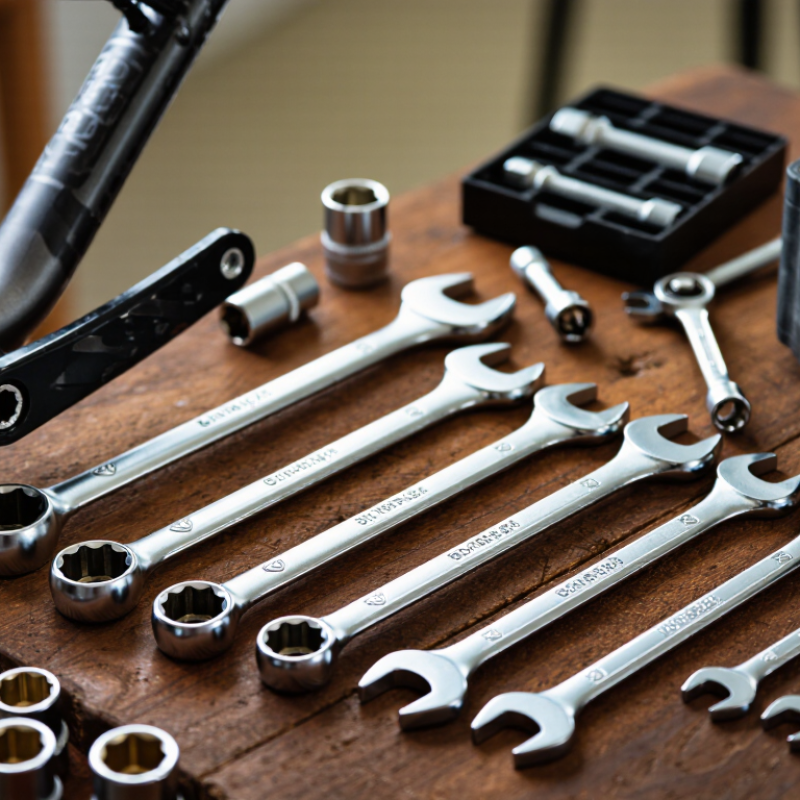
A combination wrench pairs two working ends on one handle. The open end has two jaws that slide around a fastener. The opposite end is a closed ring, sized for the same nut or bolt. That matching size makes the tool easy to identify and reduces the need to switch tools mid-task.

The ring end usually contacts more sides of a fastener than the open end, helping distribute force and lowering the chance of rounding worn corners. Some rings have six contact points; others have twelve, which can make positioning easier in a narrow space. The handle is commonly offset near the ring. That small angle can provide knuckle clearance and let the wrench turn through a limited arc. Check the fit before applying force. A loose or damaged wrench can slip.

It is a simple design. But it has limits. The open end needs room to approach the fastener, while the ring needs enough clearance to pass over it. On a cramped repair, neither side may fit well. I have found that the tool’s usefulness depends less on its shape alone and more on access, fastener condition, and choosing the correct size. A wrench is not a substitute for checking those details.

How the Open-End and Box-End Functions Differ

Why Choose a Combination Wrench for Your Toolbox?

A combination wrench pairs an open-end jaw with a closed box end, usually sized for the same fastener. The open end slides onto a nut from the side, making it useful where a stud or nearby pipe blocks access from above. Its speed has a trade-off: contact is limited, so a poor fit or excessive force can damage fastener corners. The box end surrounds the nut, spreading contact across more faces. A six-point box end often grips firmly; a twelve-point end offers more starting positions in cramped spaces. Neither is magic. A rounded nut can defeat both.

Tool choice matters, but broad safety figures need careful interpretation. The U.S. Bureau of Labor Statistics reported about 2.6 million nonfatal workplace injury and illness cases in private industry for 2023. That figure does not isolate wrench-related injuries. Still, it is a reminder to use a well-fitting tool, keep hands clear of pinch points, and avoid adding a pipe for extra leverage. A combination wrench saves a toolbox space, yet it cannot replace a socket when access or torque demands differ. It is tempting to use the open end for every turn. Sometimes that shortcut is the wrong call.

Tips: Start a tight fastener with the box end when clearance allows. Check the wrench size against the flats, and stop if it rocks or slips. A small mismatch matters.

Why Choose a Combination Wrench for Your Toolbox? - How the Open-End and Box-End Functions Differ

Feature Open-End Function Box-End Function Why the Combination Is Useful
Head design U-shaped jaws grip two opposite sides of a fastener. A closed ring surrounds the fastener and engages its flats. One tool provides two different ways to reach and turn a fastener.
Access Can slide onto a fastener from the side, which helps when a stud or obstruction prevents access from above. Must be placed over the fastener from the end, so it needs clearance to fit around it. Use the open end in restricted or side-access locations and the box end where there is room to seat the ring.
Contact with fastener Contacts two opposing flats, leaving other sides exposed. Typically contacts multiple flats around the fastener, depending on the ring’s internal profile. The box end generally offers more contact points, while the open end is quicker to position.
Turning in tight spaces Can be lifted off and repositioned quickly, but its working arc may be limited by nearby obstacles. Can be removed and repositioned to continue turning; some designs have angled heads to improve clearance. Switching ends can make it easier to work around obstacles and reset the wrench between turns.
Grip and slipping May slip more readily if it is not fully seated, is the wrong size, or is used at an angle. A properly sized ring that is fully seated is less likely to slip off during ordinary turning. Choose the end that fits securely and keep it aligned with the fastener.
Best suited to Fasteners with limited end access, or jobs where quick placement and removal are helpful. Fasteners with clear end access where a more enclosing grip is preferred. A single combination wrench can cover both access conditions for the same nominal fastener size.
Key limitation Its open jaws engage fewer sides of the fastener than a surrounding ring. Its closed shape cannot be slipped sideways over a fastener or passed over an obstruction. Neither end fits every situation; select the end that allows full, straight engagement.
Good practice Use the correct size and pull smoothly with the wrench seated squarely on the flats. Seat the ring fully before turning and avoid using a damaged or ill-fitting wrench. A combination wrench adds versatility without requiring a separate open-end and box-end tool of the same size.

Key Advantages of Adding One to Your Toolbox

A combination wrench pairs an open end with a closed, usually twelve-point ring end. That simple pairing saves space in a toolbox and reduces trips back to the drawer. The open end slips over a fastener quickly, which helps when a bolt is partly obstructed. The ring end grips more sides of the nut, giving steadier control when you need to apply pressure. Small detail. It matters when your hands are oily or the fastener is tucked beside a bracket.

In everyday repairs, the two ends suit different stages of the same job. You might use the open end to start turning a nut, then switch to the ring end for a firmer final turn. A correctly sized wrench should sit fully on the fastener, with little rocking. That fit helps reduce slipping and rounded corners. Check the size markings before applying force; a nearly fitting wrench is not close enough.

A combination wrench is also easy to carry for basic bicycle, appliance, or household maintenance. A compact set can cover common fastener sizes without the bulk of a larger socket kit. Still, it is not ideal for every task. Tight clearance may call for a thinner wrench, while a badly corroded fastener may need a different approach. I have also found that a wrench can feel secure until it shifts, so steady pressure and a clear grip matter.

Why Choose a Combination Wrench for Your Toolbox?

A combination wrench pairs an open end for quick access with a box end for a more secure grip. Both ends fit the same fastener size.

Common ISO metric hex-bolt examples: the wrench size matches the fastener’s across-flats dimension. Check the fastener standard and size before use.

How to Choose the Right Size and Material

Why Choose a Combination Wrench for Your Toolbox?

How to Choose the Right Size and Material

A combination wrench pairs an open end with a closed, box-shaped end, giving you two ways to turn the same fastener. Size is the first thing to check. Match the wrench to the fastener’s width across its flats, and confirm whether the measurement is metric or SAE. They are not interchangeable. A near fit can slip, round the fastener’s corners, or hurt your knuckles. Fit matters. If you work on several machines, measure common fasteners and buy only the sizes you actually use. A crowded set looks useful, but unused sizes add weight.

Material matters, too. Chrome vanadium steel is common because it balances strength and durability for everyday maintenance. A polished coating can make oil and grime easier to wipe off, while a damaged or rusted wrench deserves closer inspection. Choose a wrench with smooth, even jaws and a box end that sits fully on the fastener. For stubborn bolts, use the correct size rather than adding a pipe for extra leverage; that can overload the tool. It is easy to assume a longer wrench is always better, but access and control matter just as much. Even careful users sometimes reach for the closest size in a dim workspace. Better lighting helps.

How to Use and Maintain a Combination Wrench Safely

A combination wrench earns its place by pairing an open end with a box end, giving you options in tight spaces. Safe use starts with fit: choose the exact size, seat it fully on the fastener, and keep the wrench aligned. Use steady pressure, preferably pulling toward yourself with a clear path for your hand. A slip can send knuckles into a sharp edge. No extensions. Never strike a wrench unless it is designed for impact. It is tempting to grab the nearest size when a bolt is awkward. That shortcut deserves a second look.

Before use, check for a spread open jaw, cracks, rounded edges, or a loose finish that hides damage. Stop using a suspect tool. OSHA’s hand-tool guidance advises keeping tools in safe condition and using the right tool for the task. Afterward, wipe off oil and grit, dry the wrench, and store it where the size markings remain easy to read. A light protective coating can help in damp storage. This small habit is easy to skip. The U.S. Bureau of Labor Statistics reported 2.6 million nonfatal workplace injuries and illnesses in private industry in 2023, a broad figure that is not specific to wrench use. It is a reminder to treat routine hand-tool work with care. Source: BLS, Employer-Reported Workplace Injuries and Illnesses, 2023; OSHA, Hand and Power Tools guidance.

Article Source: