Why Choose Molded Case Circuit Breakers for Your Business?
In today’s industrial landscape, choosing the right protection for electrical systems is crucial. According to industry expert Dr. Emily Chen, a leading authority on electrical safety, "Molded Case Circuit Breakers are essential for any business prioritizing reliable power management." These devices offer significant advantages over traditional fuses and other circuit protection methods.
Molded Case Circuit Breakers (MCCBs) provide superior protection against overloads and short circuits. They are designed to handle a variety of applications in industrial settings. Additionally, these breakers incorporate advanced technology for precise operation and improved safety. However, selecting the right MCCB can be complex. Businesses must consider parameters such as current rating and application type. Understanding these factors can lead to better decisions.
While Molded Case Circuit Breakers are highly effective, they are not without flaws. Their initial cost can be higher than traditional options. Furthermore, not all businesses fully grasp their operational requirements. This gap can lead to underutilization of MCCBs, causing potential risks. Therefore, it's essential to invest time into researching and choosing the right solution for your specific needs.
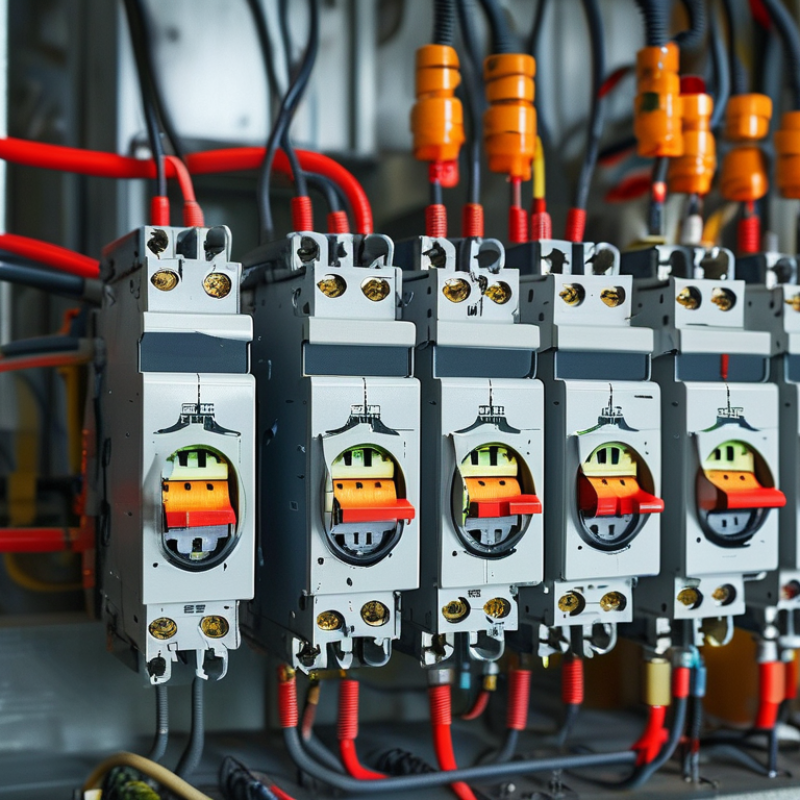
Benefits of Molded Case Circuit Breakers for Business Operations
Molded Case Circuit Breakers (MCCBs) are essential for modern business operations. They provide vital protection against overloads and short circuits. According to industry reports, MCCBs can reduce equipment damage by up to 30%. This significantly lowers maintenance costs and enhances operational safety.
Businesses benefit from the versatility of MCCBs. They can handle a wide range of currents, often from 15A to 2500A. This flexibility allows companies to tailor their electrical systems to specific needs. Enhanced features such as adjustable trip settings allow for customization. Some reports reveal that about 40% of businesses undervalue the importance of these adjustments, leading to potential failures.
Additionally, MCCBs are more reliable than traditional fuses. Reports indicate that fuses can fail without warning, while MCCBs provide visible indications of faults. This features significantly improve response times during electrical issues. Further, the integrated technology in MCCBs is evolving. The industry anticipates that smart circuit breakers will become mainstream by 2025. However, the initial cost and installation can be a barrier, causing hesitation among some businesses. This uncertainty highlights the need for deeper understanding and analysis of MCCBs’ long-term benefits.
Why Choose Molded Case Circuit Breakers for Your Business?
Key Features of Molded Case Circuit Breakers Explained
Molded case circuit breakers (MCCBs) are essential components for any business. They offer reliable protection against overloads and short circuits. This safeguard is crucial in maintaining operational integrity. The design of MCCBs allows for a compact installation, making them suitable for various environments. They fit easily into control panels, saving valuable space.
One key feature of MCCBs is their adjustable trip settings. This allows businesses to customize the level of protection needed based on their specific electrical loads. It enhances safety and prevents unexpected shutdowns. Moreover, MCCBs are equipped with thermal-magnetic trip technology, ensuring quick response times during fault conditions. However, organizations must regularly test these devices to confirm their effectiveness over time.
Another notable aspect is the built-in diagnostic capabilities. Some advanced models provide insight into electrical usage and potential issues. This data can guide maintenance scheduling and improve overall efficiency. Despite their many advantages, it is essential to understand that not all MCCBs are equal. Businesses should assess their unique needs carefully before selection. Making the wrong choice could lead to inadequate protection. Ultimately, knowledge and careful consideration are necessary for optimal circuit breaker performance.
Comparative Analysis: Molded Case vs. Other Circuit Breakers
When comparing molded case circuit breakers (MCCBs) to other circuit breakers, several factors emerge. MCCBs are designed for mid-range voltage and current applications. They offer superior protection against overloads and short circuits. This makes them a popular choice in commercial settings. Their adjustable trip settings allow customizations for specific needs.
In contrast, traditional circuit breakers often lack this flexibility. Standard breakers may trip with less precision. This means more downtime for businesses. Fuses, another alternative, can be less convenient. Once a fuse blows, it needs to be replaced. MCCBs can reset easily, minimizing operational disruptions.
However, not all situations require MCCBs. In some low-power applications, simpler circuit breakers may suffice. The initial installation cost of MCCBs can be higher too. Businesses must weigh the benefits against their needs. Understanding the specific requirements is crucial. A mismatched choice can lead to inefficiencies. Validating the application will ensure the right selection for optimal performance.
Installation and Maintenance Considerations for Businesses
Choosing molded case circuit breakers (MCCBs) can significantly impact how businesses manage their electrical systems. The installation of MCCBs requires careful planning. Start with understanding the specific needs of your facility. Assess the load requirements and the layout of your electrical infrastructure.
Tips: Consider hiring a professional for accurate installation. Properly sized and placed breakers enhance safety and functionality.
Maintenance is equally important. Schedule regular inspections to ensure everything is functioning correctly. Look for signs of wear or overheating. This proactive approach helps prevent failures and downtime.
Tips: Keep a log of inspections. Documenting findings can assist in future maintenance decisions.
Remember, while MCCBs are reliable, they are not infallible. Occasionally, breakers may need adjustments or replacements. Always be ready for such scenarios to maintain operational efficiency.
Cost-Effectiveness of Molded Case Circuit Breakers in the Long Run
Molded Case Circuit Breakers (MCCBs) are an ideal choice for many businesses, primarily due to their long-term cost-effectiveness. Reports indicate that MCCBs can reduce operational costs by as much as 20% compared to traditional breakers. This is attributed to their ability to handle a wider range of overload and short-circuit conditions, minimizing downtime and maintenance expenses.
Moreover, the initial investment in MCCBs is often offset by their durability and reliability. A study from a leading electrical industry association shows that MCCBs have a lifespan up to 30% longer than standard circuit breakers. This longevity translates to fewer replacements over time, providing substantial savings.
However, it is essential to recognize that not all situations favor MCCBs. For smaller setups, the higher initial costs may deter some businesses. Careful assessment of electrical load requirements is necessary. Not every operation may need the advanced features that MCCBs offer. Balancing performance with cost is vital for a smart investment.
Why Choose Molded Case Circuit Breakers for Your Business? - Cost-Effectiveness of Molded Case Circuit Breakers in the Long Run
| Feature | Details | Long-Term Cost Considerations |
| Durability | Designed to withstand harsh conditions, reducing operational failures. | Lower maintenance costs over time. |
| Versatility | Suitable for a variety of applications, from commercial to industrial. | Fewer replacements needed across different setups. |
| Safety Features | Incorporates advanced safety mechanisms to prevent faults. | Minimizing risk of costly accidents. |
| Energy Efficiency | Optimizes power consumption, leading to savings. | Lower electricity bills over the product’s lifespan. |
| Installation Costs | Generally straightforward installation procedures. | Reduces overall installation expenses. |



 © Copyright 2020 Tianjin Tanghaidongyang Valve Co., Ltd. All Rights Reserved.