How to Choose the Right Inox Sheet for Your Projects?
Inox Sheets, known for their durability and resistance, play a critical role in various industries. These stainless steel sheets are essential in construction, automotive, and manufacturing sectors, often exceeding expectations in performance. According to a report by the International Stainless Steel Forum, the demand for stainless steel products, including Inox sheets, is projected to grow by 5% annually.
Choosing the right Inox sheet can significantly impact project outcomes. Factors such as thickness, finish, and alloy type must be considered. The correct choice enhances overall durability and aesthetic appeal. Notably, the global stainless steel market was valued at approximately $118 billion in 2021, underscoring its importance in modern applications.
However, many still struggle to make informed decisions. The variety of options can overwhelm even experienced professionals. Full specifications should align with project requirements for effective results. Ultimately, making the right choice involves balancing quality, function, and cost. Understanding the nuances of Inox sheets can lead to more successful projects and greater efficiency in operations.
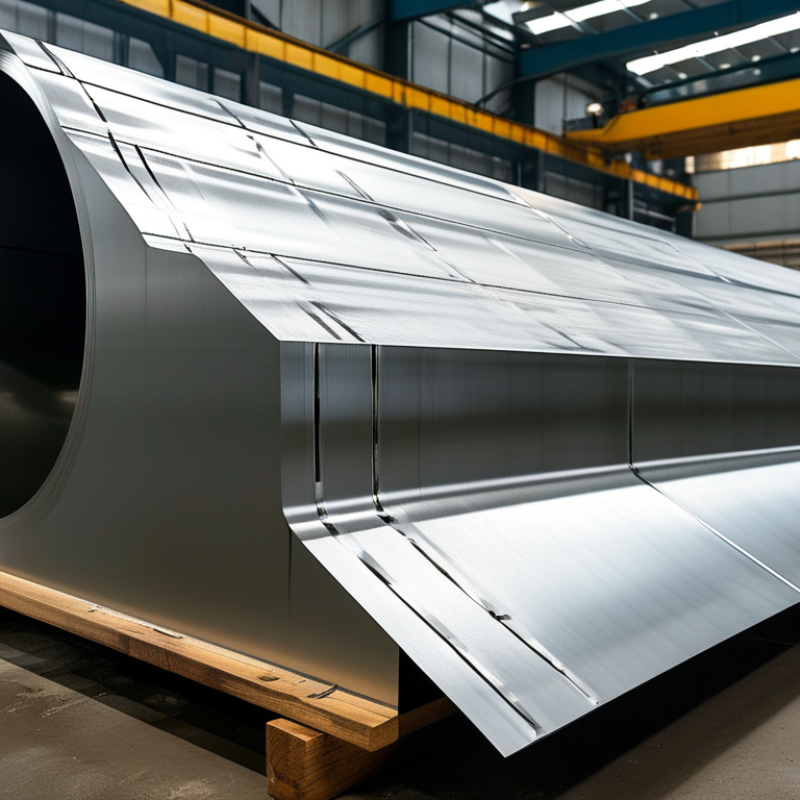
Understanding the Different Types of Inox Sheets Available in the Market
When selecting the right inox sheet, understanding the different types available is vital. Inox sheets, commonly known as stainless steel sheets, come in various grades and finishes. The most common types include 304 and 316. The 304 grade is often praised for its corrosion resistance and is suitable for many indoor applications. In contrast, the 316 grade offers better protection against chlorides and is essential for marine environments. According to a market analysis by Smithers Pira, the demand for stainless steel is projected to grow by 4.5% annually, reflecting its crucial role in construction and manufacturing.
Different finishes on inox sheets can also alter their performance and aesthetic quality. A mirror finish provides a sleek, reflective surface ideal for decorative applications, while a brushed finish offers a more subtle look, reducing scratches' visibility. The finishing process impacts not only appearance but also maintenance requirements. Research from the International Stainless Steel Forum indicates that the surface treatment can significantly enhance the lifespan of inox products, suggesting that a well-chosen finish can save costs over time.
However, every project's needs are unique. The wrong choice can lead to unexpected issues. For instance, an inappropriate grade for a high-salinity environment might result in premature corrosion. It's essential to consider environmental factors and the specific requirements of your application before making a decision. Understanding these details will guide you toward a more informed choice.
Key Factors to Consider When Selecting Inox Sheets for Your Projects
When selecting inox sheets for your projects, several key factors deserve attention. The grade of stainless steel is crucial. Common grades like 304 and 316 have different properties. For instance, 316 offers better corrosion resistance than 304. Consider the environment where the inox sheet will be used. Harsh conditions require higher-quality materials.
Thickness of the sheet matters too. Depending on your project, different thicknesses will provide different levels of durability. A thicker sheet might not always be necessary. It can add weight and costs. Assess the structural needs carefully.
Tips: Always request samples before making large purchases. This helps you evaluate the quality directly. If unsure about thickness, consult with professionals. They can advise you based on your specific application. Also, remember to inspect for any surface imperfections. Even small flaws can affect the final finish of your project.
Material Properties of Inox Sheets
Assessing the Thickness and Size Specifications for Inox Sheets
When selecting an inox sheet for your project, size and thickness are critical factors. Inox, or stainless steel, comes in various grades and thicknesses, usually ranging from 0.5 mm to 20 mm. Each thickness serves a different purpose. For instance, sheets that are 1-2 mm thick are common in architectural applications. Meanwhile, thicker sheets, around 10-15 mm, are often required for industrial settings. A report by the Stainless Steel Forum indicates a growing preference for thin sheets due to their lightweight properties and ease of handling.
Moreover, sizing should align with project requirements. Standard sheet sizes typically measure 1000 mm x 2000 mm or 1250 mm x 2500 mm. This can affect how materials fit and work together. Projects requiring precise dimensions may lead to waste when sheets are cut. It’s essential to consider this when planning your project. Additionally, understanding local standards is also vital. Different regions may have specific size regulations, making it necessary to gain that insight beforehand.
Many users overlook the importance of thickness in daily applications. Often, projects require a balance between durability and weight. A thinner sheet might not withstand heavy usage, while a thicker sheet may be too cumbersome. Adjusting these factors can involve trial and error, prompting reflection on the best fit for each unique application. The decision should be made with care and consideration for the long-term outcomes.
Evaluating the Surface Finishes and Their Applications for Inox Sheets
When selecting the right inox sheet for projects, evaluating surface finishes is crucial. The finish affects both aesthetics and functionality. Reports indicate that nearly 70% of architects cite surface finish as a key decision factor in material selection. The most common finishes are brushed, polished, and mat. Each offers unique properties for different applications.
Brushed finishes provide a more textured surface. They are not only visually appealing but also help hide fingerprints and scratches. This makes them ideal for kitchen applications. Polished finishes, however, are highly reflective. They create a sleek look but require more maintenance to keep free of smudges. Mat finishes convey a modern style and are less prone to showing imperfections.
Tip: Assess the project's environment when choosing a finish. For outdoor use, consider weather-resistant finishes. For high-traffic areas, a brushed or mat finish may offer better durability. Remember, the chosen finish can impact long-term maintenance and overall project lifespan. Think about the future needs of your project.
Cost and Supplier Comparison for Inox Sheets: Finding the Best Deals
When choosing the right inox sheet for your project, cost and supplier comparison become vital. The market for stainless steel sheets has grown significantly, with an annual increase of around 5.5% projected through 2026, according to industry reports. Suppliers vary widely in pricing, quality, and delivery options. Conducting thorough research is essential. It’s alarming that many buyers overlook hidden costs, such as shipping and material thickness.
Tip: Always request multiple quotes. This can reveal pricing discrepancies among suppliers. You might find one that offers superior quality at a better price. Some suppliers may offer discounts for bulk orders, which can reduce your overall expenses.
Another consideration is the type of inox sheet you need. Type 304 is commonly used but may not always be the best choice for every application. Conducting a suitability analysis could save you money and material waste. A trusted source notes that incorrect material selection contributes to 20% project overruns.
Tip: Consult with industry professionals. Their expertise can guide you toward the most cost-effective solutions. Engaging a supplier with solid reviews and experience will ensure reliable delivery and performance as well.



 © Copyright 2020 Tianjin Tanghaidongyang Valve Co., Ltd. All Rights Reserved.