How to Choose the Right Vacuum Distillation Unit for Your Needs?
Choosing the right Vacuum Distillation Unit is crucial for various applications. Dr. Emily Cheng, a renowned expert in chemical engineering, emphasizes, "Selecting the appropriate unit can significantly enhance efficiency." This statement highlights the importance of understanding the unique requirements of your process.
Vacuum distillation serves diverse industries, from petrochemicals to pharmaceuticals. Each application has distinct needs, making it vital to consider various factors. First, assess the feed properties. Knowing the boiling point and composition is essential. Next, evaluate the desired purity levels. High purity often requires advanced units, which can be more costly.
Furthermore, the size and scalability of the Vacuum Distillation Unit matter. An oversized unit may waste energy. However, an undersized unit can hinder production. Reflecting on these elements ensures better alignment with operational goals. Despite expertise, many find the range of options overwhelming. In-depth research and expert advice are invaluable in making the best choice.
Understanding Vacuum Distillation: Principles and Applications
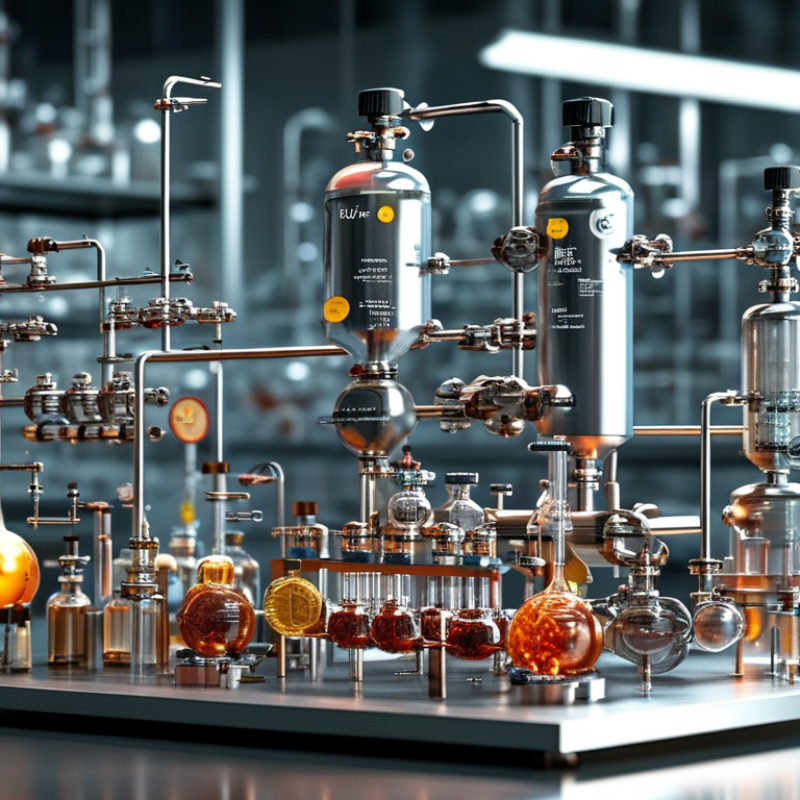
Vacuum distillation is a crucial process leveraged in various industries, including chemicals and pharmaceuticals. By lowering the boiling point of substances, it enables the separation of components without degradation. This technique is particularly beneficial for heat-sensitive materials. Understanding the principles behind vacuum distillation is essential for optimizing your operations and achieving desired results.
The process operates by creating a low-pressure environment. This reduction in pressure allows substances to vaporize at lower temperatures. Consequently, you can efficiently separate complex mixtures. However, choosing the right system can be daunting. Factors like the nature of the materials, required purity levels, and desired throughput significantly influence the decision.
Operators often face challenges while selecting equipment. For instance, the size and scale of the distillation unit matter. A unit that is too small may not meet production demands. Conversely, an oversized system can lead to wasted resources. Additionally, considerations around energy consumption and maintenance should not be overlooked. Ultimately, reflecting on these elements is critical in aligning your vacuum distillation needs with your operational goals.
Key Factors to Consider When Selecting a Vacuum Distillation Unit
Selecting the right vacuum distillation unit can significantly impact your processes. Consider your specific requirements. Do you need a unit for large-scale production or small laboratory use? The scale will determine the size and capacity. Efficient units save time and reduce operational costs. Assess the materials involved in your distillation process. Corrosive or high-temperature substances require durable materials.
Temperature control is crucial in distillation. Look for units with precise heating capabilities. This ensures effective separation of components. Understand your end-products. Different units may be better for varying purity levels. User feedback is invaluable. Conduct research and read reviews to gauge reliability. Sometimes, realizing that a unit does not meet your long-term needs is part of the learning curve.
Maintenance is another key factor. Regular upkeep can prolong the life of your unit. A robust maintenance plan can help avoid costly downtimes. Comprehensive training for your staff is equally important. Investing in knowledge leads to better operation and safety. Being aware of your unit’s limitations will help refine your choices in the future.
Vacuum Distillation Unit Selection Criteria
Comparing Different Types of Vacuum Distillation Technologies
When selecting a vacuum distillation unit, understanding the different technologies available is crucial. Vacuum distillation is commonly used for separating compounds based on their boiling points under reduced pressure. This process can be vital for industries ranging from petrochemicals to pharmaceuticals. Each technology has unique advantages and limitations.
One common type is the rotary evaporator. It's effective for gentle distillation. However, it may struggle with larger volumes. Another option is the wiped film evaporator. This technology excels at handling viscous materials but can be more complex to operate. Tubular designs also exist, suitable for continuous processing but often requiring more extensive setup.
Consideration of specific requirements is key. Think about the materials you will be distilling and their thermal sensitivity. A less ideal choice could increase operational costs or reduce yield. Testing different options is advised. Gaining practical experience provides valuable insights into performance. It’s essential to reflect on the chosen technology's efficiency. Sometimes, the perfect choice may still present challenges.
Evaluating Performance Metrics of Vacuum Distillation Units
When selecting a vacuum distillation unit, performance metrics are crucial. These metrics include efficiency, recovery rate, and energy consumption. A recent industry report revealed that units with a recovery rate above 95% significantly reduce operational costs. Choosing the right design can mean the difference between success and failure.
Efficiency often hinges on the unit's boiling point operation range. Many advanced units can handle a variety of materials without significant thermal degradation. Furthermore, energy consumption should be carefully analyzed. Units using advanced vacuum systems can achieve up to 30% lower energy usage compared to traditional designs. However, some reports indicate that many operators overlook these energy metrics, leading to unnecessary expenses.
The ability to customize a vacuum distillation unit also plays a role. Many facilities face unique challenges that standard units may not solve efficiently. Tailored solutions might demand higher initial investments. But, the long-term gains could be substantial. It’s essential to weigh these factors carefully. Many users have noted that not all units deliver promised results, pointing to the importance of thorough evaluations and testing before making a final decision.
Cost-Benefit Analysis of Vacuum Distillation Solutions for Industries
When evaluating vacuum distillation solutions, it is essential to conduct a cost-benefit analysis. Industries are increasingly adopting vacuum distillation because it enhances separation efficiency. A recent report from the Chemical Engineering journal indicates that efficiency can exceed 90%. This efficiency translates to significant savings in raw material costs.
However, the initial investment can be high. A vacuum distillation unit may cost from $100,000 to over $1,000,000, depending on the capacity and technology. Companies must assess the long-term savings against this upfront cost. A case study in the pharmaceutical sector showed that a mid-sized company recouped its investment within two years. The reduction in energy costs and increased product yield were key factors.
Every industry has unique needs. Each company's operational structure can affect these costs. Some businesses may find that traditional distillation suits them better. This decision can impact overall production efficiency. Companies must weigh these factors diligently before committing.
How to Choose the Right Vacuum Distillation Unit for Your Needs? - Cost-Benefit Analysis of Vacuum Distillation Solutions for Industries
| Parameter | Unit A | Unit B | Unit C | Unit D |
| Initial Cost | $15,000 | $20,000 | $25,000 | $30,000 |
| Operating Cost (Annual) | $2,000 | $2,500 | $3,000 | $3,500 |
| Energy Efficiency (%) | 85% | 90% | 80% | 75% |
| Distillation Capacity (L/h) | 50 | 75 | 100 | 125 |
| Maintenance Frequency (Months) | 6 | 12 | 6 | 12 |


 © Copyright 2020 Tianjin Tanghaidongyang Valve Co., Ltd. All Rights Reserved.