Why Choose Small Micro Switch for Your Next Project?
In today's fast-paced technology landscape, choosing the right components is essential for success. One option that stands out is the Small Micro Switch. These devices pack a powerful punch in a compact size. They are ideal for a variety of applications, from consumer electronics to industrial equipment.
Small Micro Switches offer reliability and precision. Their activation mechanism ensures a quick response time, making them ideal for devices that require swift actions. With their compact design, they fit easily into tight spaces without sacrificing performance. This feature allows engineers to optimize their designs effectively.
However, not all Small Micro Switches are created equal. Picking the wrong switch can lead to performance issues. It's crucial to assess your specific needs. This choice can impact your project's success. Reflect on the requirements diligently. Ultimately, Small Micro Switches might be the best choice for your next project. Their versatility and reliability can simplify design challenges.
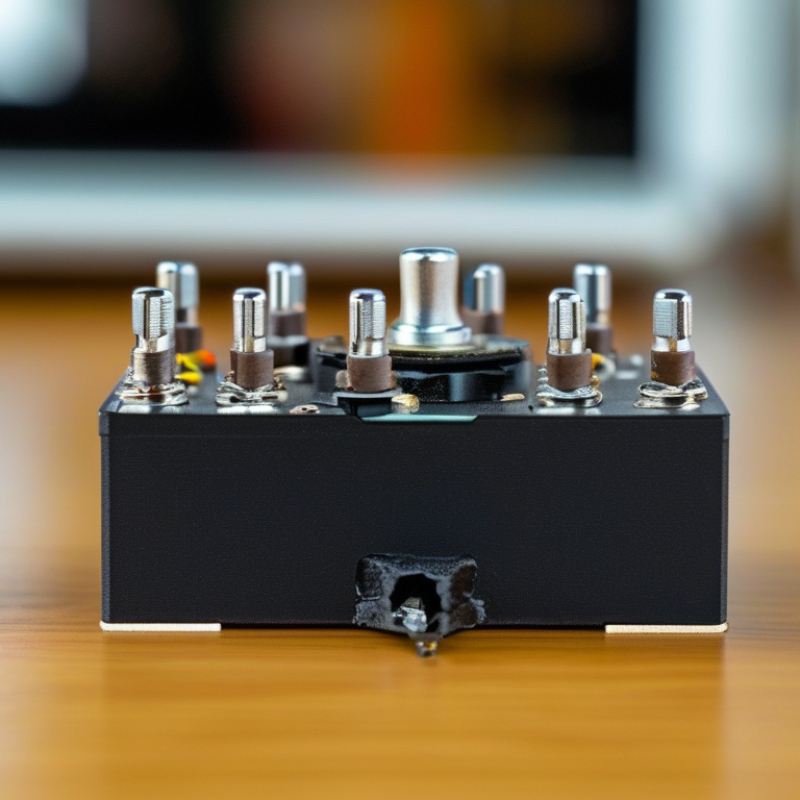
Benefits of Using Small Micro Switches in Design Applications
Small micro switches are gaining popularity in various design applications. Their compact size is a significant advantage. These switches can fit in limited spaces without sacrificing performance. They offer reliable and precise control in devices, making them ideal for many projects.
In terms of benefits, small micro switches provide enhanced durability. They often withstand thousands of cycles, which is crucial for long-term applications. This reliability reduces maintenance costs over time. Additionally, their responsiveness ensures efficient operation. Projects that require quick actions can significantly benefit from their use.
When selecting small micro switches, keep in mind a few tips. Consider the switch's rating to match your project's requirements. It's also important to assess the environment in which the switch will operate. Not all switches handle extreme temperatures or moisture well. Some designs may require additional protection. Testing the switches under actual conditions is advisable to ensure compatibility and performance.
Key Features of Small Micro Switches That Enhance Performance
Small micro switches have carved a niche in various industries due to their compact size and exceptional reliability. One major feature that enhances their performance is their operational durability. According to a recent industry report, micro switches can withstand over 1 million cycles, making them ideal for high-use applications. This longevity reduces maintenance costs and downtime in critical operations, adding value to projects.
Another key feature is their quick response time. These switches operate within milliseconds, allowing for seamless transitions in automated systems. The responsiveness is essential in applications such as safety devices and consumer electronics. A study highlighted that including small micro switches can boost system efficiency by up to 25%. However, designers must ensure the switch’s capacity aligns with project requirements, as overloading can lead to failure.
Additionally, small micro switches have lower power consumption, which is crucial for battery-operated devices. The efficiency benefits may seem significant, yet they require careful consideration during the design phase. Engineers should assess the trade-off between size and power handling. In this evolving landscape, understanding micro switches' key features can lead to more robust designs and better-performing systems.
Comparison of Key Features in Small Micro Switches
This chart illustrates the performance ratings of various key features in small micro switches. The ratings are based on durability, response time, size, load capacity, and temperature range, highlighting their significance in enhancing overall performance for projects.
Comparative Analysis: Small Micro Switches vs. Traditional Switches
When choosing between small micro switches and traditional switches, it's essential to evaluate their differences carefully. Small micro switches are compact and often more reliable. According to research from industry leaders, micro switches can handle over 1 million cycles, while traditional switches often rate under 500,000 cycles. This durability makes them an excellent choice for projects requiring extended use.
One key advantage of micro switches is their speed. They operate effectively with minimal force, allowing for quick actuator response times. In contrast, traditional switches may require more pressure, leading to slower operations in some applications. As systems become more precise, this responsiveness can significantly enhance overall performance.
**Tips:** Consider the specific needs of your project. If space and weight are critical, small micro switches may be your best bet. Be mindful of the environment, too; high humidity can impact traditional switches more than micro ones. Always test under conditions similar to your final application for optimal reliability.
Why Choose Small Micro Switch for Your Next Project? - Comparative Analysis: Small Micro Switches vs. Traditional Switches
| Feature | Small Micro Switches | Traditional Switches |
| Size | Compact and lightweight | Bulkier designs |
| Actuation Force | Low actuation force required | Typically higher actuation force |
| Life Span | Up to 1 million cycles | Around 300,000 cycles |
| Mounting Options | Versatile mounting options | Limited mounting styles |
| Cost | Generally cost-effective | Can be more expensive |
| Application | Ideal for limited space devices | Better for larger machinery |
Applications of Small Micro Switches in Various Industries
Small micro switches find diverse applications across multiple industries, enhancing efficiency and safety. In the automotive sector, they are used for various functions, such as activating alarms and controlling electronic windows. Their compact size allows for easy placement in tight spaces, proving essential for innovative vehicle designs. In consumer electronics, micro switches play a crucial role in devices like mice, keyboards, and gaming consoles, providing a responsive user experience.
Healthcare devices also benefit from small micro switches. These components are integral to medical equipment, ensuring reliable operation during critical moments. For instance, they are used in patient monitors and imaging devices, where precision matters greatly. Their durability and small footprint help maintain a tidy workspace, which is vital in clinical settings. Some applications may expose these switches to harsh conditions, necessitating careful selection to ensure longevity.
In the field of industrial automation, small micro switches serve as limit switches to enhance machine functioning. They ensure equipment stops at predefined points, reducing the risk of accidents. However, challenges exist in ensuring their reliability under heavy use. Industries must regularly assess the performance of these switches to prevent failures that could disrupt operations. Thus, while small micro switches are versatile and effective, their selection and maintenance require attention to detail and a proactive approach.
How to Select the Right Small Micro Switch for Your Project
When selecting a small micro switch for your project, consider its specifications closely. Different applications require different switch characteristics. Think about the voltage, current rating, and size. These factors are essential for ensuring the switch operates effectively in your design. Look for switches with clear documentation and reliable performance metrics. Examine user reviews when possible; they often reveal insights into durability and functionality.
Another aspect to evaluate is the actuator type. Variety exists, from buttons to levers. Confirm which actuator suits your needs best. Poor selections can lead to project delays or failures. You might want to explore tactile feedback to enhance user experience. Make a checklist of your requirements to aid in the selection process. Analyzing choices critically improves your chances of successful implementation.
Consider the environmental factors too. Will the switch be exposed to moisture or dust? Some switches are designed for harsh conditions. Choosing the wrong type can result in performance issues. Context matters greatly. Do not rush this decision, as it could impact your entire project. Reflection on past experiences can guide your choices for better results.



 © Copyright 2020 Tianjin Tanghaidongyang Valve Co., Ltd. All Rights Reserved.