Choosing the Best Rolling Tool Cabinets: Measure Width, Depth, and Workshop Clearance
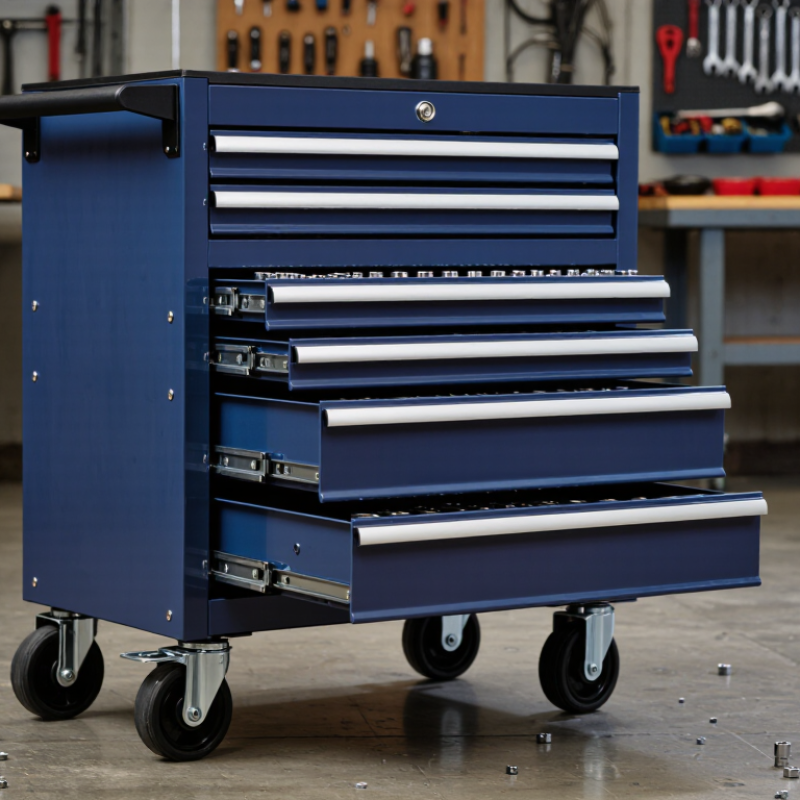
A rolling tool cabinet should fit your workspace before it fits your tool collection. Common widths range from 36 to 72 inches, while depths usually measure 18 to 24 inches. Measure the cabinet body, not only the work surface. Handles, locks, side trays, and wheels may add several inches.
Start with a tape measure and record three dimensions: wall space, walking clearance, and doorway width. Leave enough room to open drawers fully without blocking a workbench or machine. In a narrow garage, an 18-inch-deep cabinet may preserve a safer walkway. A 24-inch model offers more storage, but it can make movement awkward. Small details matter.
Measure twice.
I once estimated cabinet space by looking at the empty floor. That was a mistake. The open drawer struck a nearby bench, and the cabinet could not turn through the doorway. Now I check the narrowest passage, ceiling height, outlet locations, and floor slope. A loaded cabinet also rolls differently from an empty one, especially across seams or rough concrete. Casters need practical clearance, not optimistic clearance.
For dependable planning, mark the cabinet footprint with masking tape. Place cardboard at the proposed depth and open each drawer path. Keep several inches near corners for steering. If the measurements feel tight, they probably are. Recheck them after adding wall storage, a stool, or another work surface. Clearance changes as the workshop evolves.



 © Copyright 2020 Tianjin Tanghaidongyang Valve Co., Ltd. All Rights Reserved.