Choosing a duct air heater in 2026 starts with matching its output to the building’s actual heat loss. An oversized unit may cycle frequently, wasting energy and creating uneven room temperatures. Measure the duct dimensions and note insulation gaps before comparing models. Small details matter.
Check efficiency figures under comparable test conditions, not just the largest number on a product sheet. A variable-output heater can reduce energy use when demand changes, while a well-sealed duct system helps keep warmth from escaping. Ask how the heater performs at your expected airflow and operating hours. Controls deserve equal attention. Look for clear temperature settings, reliable sensors, and scheduling that fits the building’s use. Simple controls are often easier to maintain. Fancy menus can confuse people.
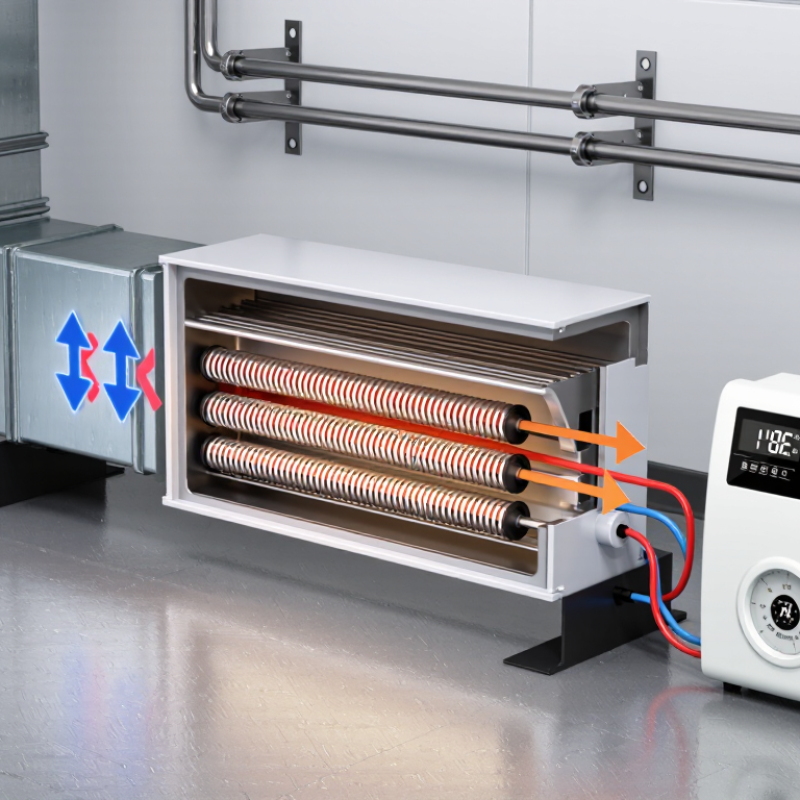
Safety features should be verified in the technical documentation. Consider overheat protection, airflow monitoring, and automatic shutoff if a fault occurs. Confirm that the heater is compatible with the duct material and electrical supply, and have installation requirements reviewed by a qualified technician. Keep access panels reachable for inspection and cleaning. A tidy installation is not proof of safe operation, though. Compare service guidance and maintenance intervals, then leave room in the budget for routine checks.



 © Copyright 2020 Tianjin Tanghaidongyang Valve Co., Ltd. All Rights Reserved.