How to Choose Acoustic Panels for Optimal Sound Quality?
Acoustic Panels play a crucial role in enhancing sound quality in various environments. According to a report by the Acoustical Society of America, effective sound control can improve speech intelligibility by up to 50%. This statistic highlights the importance of choosing the right acoustic treatment for spaces such as studios, offices, and homes.
When selecting acoustic panels, factors such as material, thickness, and placement must be considered. Different materials absorb sound waves differently. For instance, foam panels are lightweight and easy to install, while fiberglass panels offer superior sound absorption. Understanding the specific needs of your space can lead to better acoustics.
Yet, not all acoustic solutions are perfect. Some users report issues with aesthetics or durability. Additionally, placement can greatly impact performance. Improperly positioned panels may not provide the desired effect. Evaluating these challenges is essential for achieving optimal sound quality.
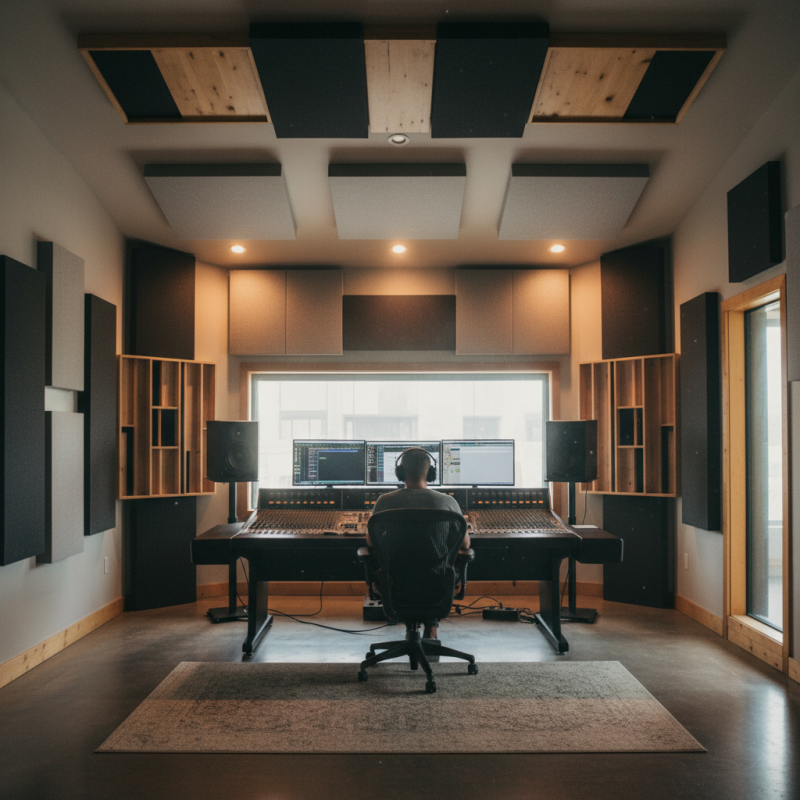
Understanding Sound Quality and Acoustic Panels
Choosing the right acoustic panels can significantly enhance sound quality in any space. Understanding sound quality is essential for optimal acoustic performance. Sound quality often refers to clarity, balance, and the ability to control unwanted noise. According to the acoustics industry report from the National Institute of Standards and Technology, improper sound absorption can lead to a 20% decrease in auditory clarity.
Acoustic panels work by absorbing sound waves, reducing reverberation and echo. Effective panels can vary in material and thickness. Thin panels may not absorb low frequencies well, while thicker panels tend to perform better at all frequencies. In a recent study conducted by the Acoustical Society of America, it was found that correctly installed panels improve sound distribution by up to 30%. The placement and arrangement of panels also play a crucial role.
One consideration is that not all panels are created equal. Some may not meet industry standards. This variability can impact performance. Ensuring that your panels are tested and rated for specific sound frequencies is crucial. Many consumers overlook this aspect, leading to less than ideal results. An informed choice is vital for achieving the best acoustic environment.
Types of Acoustic Panels Suitable for Different Spaces
When selecting acoustic panels, it's essential to consider the specific needs of your space. Different environments demand different types of panels. For instance, a home theater requires panels designed for sound absorption. These will help reduce echoes and enhance your audio experience. Acoustic panels made of foam and fabric are popular for this purpose. They are lightweight and easy to install.
In contrast, offices may benefit from panels that also offer soundproofing. These are thicker and denser, helping to minimize outside noise. Places like music studios demand specialized panels. These can come in various shapes, such as bass traps, designed to manage low frequencies effectively. It’s noteworthy that not all panels are suitable for every environment. Some may absorb frequencies that aren’t common in a particular setting.
Installation is crucial, too. You might stumble upon design choices that don’t complement your decor. It’s valuable to visualize how panels fit into your space before making a purchase. A space can feel chaotic with poorly placed panels. Consider seeking advice from sound experts, but be wary of a one-size-fits-all approach. Each space has unique acoustic needs, and some trial and error may be necessary.
Key Factors to Consider When Choosing Acoustic Panels
When selecting acoustic panels, consider the material. Fiberglass, foam, and fabric-wrapped panels each have unique properties. For instance, fiberglass panels often provide better sound absorption. However, foam is lighter and easier to install. Assess your space's needs before deciding.
Think about the thickness of the panels. Thicker panels generally absorb lower frequencies better. If your space has bass-heavy sound issues, thicker options might be necessary. Conversely, thin panels can work for high-frequency echo problems. Evaluate the specific sound challenges you face.
Placement also plays a critical role. Wall-mounted panels might improve clarity, while ceiling-mounted options can reduce reverberation. Experiment with different placements to see what feels right. It's an ongoing process, and the initial setup may not yield perfect results. Be open to adjustments as you test the sound in your space.
How to Choose Acoustic Panels for Optimal Sound Quality? - Key Factors to Consider When Choosing Acoustic Panels
| Factor | Description | Recommended Material | Sound Absorption Coefficient |
| Thickness | The thickness of the panel affects its ability to absorb sound frequencies. | Fiberglass | 0.7 - 0.95 |
| Density | Higher density materials generally provide better sound absorption. | Mineral Wool | 0.85 - 1.00 |
| Coverage Area | Proper coverage area is essential for effective sound treatment. | Acoustic Foam | 0.5 - 0.9 |
| Frequency Range | Different panels are designed to absorb specific frequency ranges. | Polyester Fiber | 0.6 - 0.95 |
| Aesthetics | Design and color can impact the room’s overall appearance. | Fabric-Wrapped Panels | 0.4 - 0.8 |
Installation Methods for Optimal Acoustic Performance
When installing acoustic panels, the method you choose can greatly influence sound quality. Direct mounting is a common approach. This requires adhesive or hooks. Ensure a clean surface for a strong bond. However, this method can limit repositioning later. Plan carefully before you stick.
Another option is using a frame system. This involves building a lightweight frame to hold the panels. It allows for easy adjustments. You might even combine different panel types within the same frame. It offers flexibility and better sound diffusion. Yet, it can take time to construct.
Suspended installations are also popular. Panels are hung from the ceiling. This method is effective in large spaces. It helps reduce flutter echoes. However, it may not suit every room's décor. Remember, the aesthetic impact is also important. Each method has its pros and cons. Choose wisely for your space.
Maintenance and Care for Longevity of Acoustic Panels
To ensure the longevity of acoustic panels, proper maintenance and care are essential. Dust and dirt can accumulate on the surface of the panels, affecting their sound absorption capabilities. Regular cleaning is vital for optimal performance. A damp cloth can effectively wipe surface dust without damaging the material. Avoid using harsh chemicals. Reports indicate that regular maintenance can extend the lifespan of panels by up to 30%.
Humidity and temperature also play crucial roles in the durability of acoustic panels. High humidity can lead to mold and deterioration. Maintaining indoor humidity levels between 30% and 50% is recommended. This helps retain the integrity of the materials used in the panels. In a study by the Acoustical Society of America, it was noted that temperature fluctuations could impact acoustic performance significantly.
Occasionally, re-evaluating the placement of acoustic panels is beneficial. Over time, certain areas may require more absorption than others. Adjusting the positioning can enhance sound quality dramatically. This process may seem tedious but can lead to improved acoustics in spaces. Consider where the sound issues are most pronounced. Each adjustment provides an opportunity to refine your sound environment.



 © Copyright 2020 Tianjin Tanghaidongyang Valve Co., Ltd. All Rights Reserved.