How to Choose an Automatic BOV Aerosol Filling Machine
Choosing an Automatic BOV Aerosol Filling Machine requires more than comparing speed, price, and brochure claims. The machine must handle bag-on-valve containers accurately, while protecting product quality and operator safety. Smithers’ report, The Future of Aerosol Packaging to 2028, highlights pressure for higher filling efficiency, improved recyclability, and tighter process control. Grand View Research also reports continued growth in the global aerosol cans market, driven by personal care, household, and healthcare applications. These trends make reliable equipment increasingly important.
A practical selection begins with the product. Check viscosity, propellant type, container size, valve specification, and required output. A clean stainless-steel frame, programmable dosing system, automatic leak testing, and repeatable crimping are valuable details. Watch the machine in operation. Does the nozzle center correctly? Does the filling head leave residue around the valve? Small faults become expensive after thousands of cycles.
As aerosol-packaging engineer John D. Wood puts it, “Consistency is the foundation of a dependable aerosol filling line.” That principle deserves attention, even when a supplier promises exceptional speed. A machine producing 100 containers per minute is not efficient if rejects, cleaning delays, and maintenance interruptions reduce actual output. The better question is simple: what is the verified yield under your conditions?
Reports provide market direction, but factory trials provide evidence. Request documented test results, changeover times, calibration records, and after-sales support details. I would also review energy use and compressed-air demand. These costs are easy to overlook. The right Automatic BOV Aerosol Filling Machine should fit today’s production needs, while leaving room for safer, cleaner, and more controlled expansion.
What Is an Automatic BOV Aerosol Filling Machine?
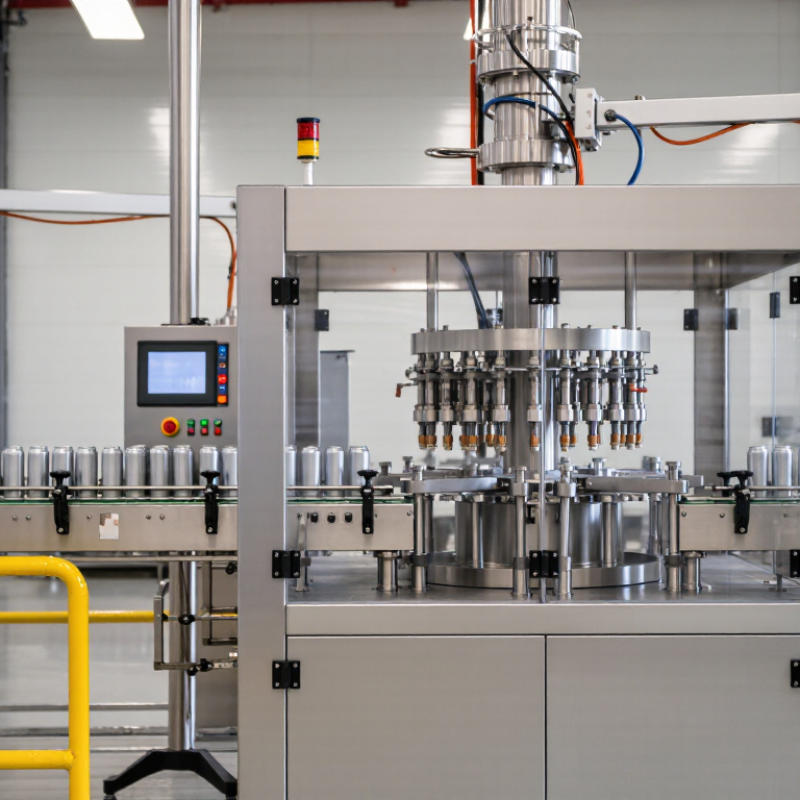
An automatic BOV aerosol filling machine is industrial equipment designed for bag-on-valve aerosol products. It places or positions a flexible bag inside a container, fills the product, and seals the valve assembly with controlled pressure. The propellant remains outside the bag, while the product stays separated from it. This design supports clean dispensing and can help protect sensitive formulations from direct propellant contact.
A complete system may include container feeding, bag placement, product dosing, valve crimping, propellant charging, leak testing, and discharge. Sensors check container presence, fill level, pressure, and sealing quality.
A programmable control system records key settings, which helps operators trace production changes. In my experience, filling accuracy depends on more than the machine itself. Product viscosity, temperature, foaming behavior, bag size, and valve design all affect performance. Small changes matter.
When choosing an automatic BOV aerosol filling machine, match its working range to your actual product data. Ask for trials using your formula, container, and valve. Request evidence of repeatable fill weights and stable crimp dimensions.
Easy cleaning is important, especially when product paths contain narrow passages. Stainless steel contact parts and accessible surfaces can reduce maintenance risks. No machine is perfect. A high-speed model may create more waste if setup adjustments are difficult.
I would also review safety guarding, emergency stops, pressure controls, operator training, and documentation before purchase. A careful trial often reveals problems that a specification sheet cannot.
How to Evaluate Filling, Propellant, and Sealing Functions
How to Choose an Automatic BOV Aerosol Filling Machine
An automatic BOV aerosol filling machine should be judged by three functions: product filling, propellant charging, and sealing. Product filling must maintain consistent volume or weight across every container. Check the dosing system with repeated tests, not one successful sample.
Record variation at startup, during continuous operation, and after cleaning. A clear filling chamber and simple adjustment points can improve inspection and reduce wasted material. The machine should also handle different container sizes without complicated changeover procedures.
Propellant performance needs careful evaluation.
Confirm that the machine supports the approved propellant type and required pressure range. Its control system should prevent overcharging and detect abnormal pressure changes. Watch the filling cycle closely. Slow recovery can reduce production stability.
Sealing is equally important for BOV packaging. Inspect valve placement, crimp depth, and sealing consistency. A strong seal should remain secure during pressure and leak testing. However, a perfect trial run may hide problems. Repeated testing under realistic production conditions is more reliable.
Tips:
Ask for test records, sample containers, and leak-test results. Measure fill accuracy with calibrated instruments. Check whether operators can access cleaning areas safely. Listen for irregular valve sounds. Small details matter. A machine that is easy to maintain may outperform a faster machine with frequent adjustments. Also, review the supplier’s technical support, training, spare-part availability, and documentation before making a final decision.


 © Copyright 2020 Tianjin Tanghaidongyang Valve Co., Ltd. All Rights Reserved.