| Pipe application and service | Onshore transmission pipeline carrying natural gas; define operating conditions and design life in the project specification. | Confirm the factory can manufacture the required LSAW pipe and apply an external FBE coating suitable for the stated service and handling conditions. | Approved technical proposal, manufacturing procedure, and coating procedure linked to the project specification. |
| Pipe dimensions | Example: 610 mm outside diameter, 12.7 mm nominal wall thickness, and 12 m nominal length. These are sample values, not universal requirements. | Confirm the order schedule covers outside diameter, wall thickness, length, end preparation, tolerances, and any permitted dimensional range. | Dimension schedule, approved drawings, inspection and test plan, and dimensional inspection records. |
| Steel grade and product standard | Example: API 5L Grade X52, with the applicable product specification level stated in the purchase documents. | Verify that the mill can supply the specified grade and that material traceability is maintained from plate to finished pipe. | Material test certificates, heat-number traceability records, and required mechanical and chemical test results. |
| LSAW manufacturing requirements | Longitudinal submerged-arc-welded pipe; specify forming route, weld requirements, and inspection extent in the project documents. | Review the proposed forming and welding procedures, weld repair controls, and the required non-destructive examination coverage. | Welding procedure documentation, weld maps, NDT procedures, and examination reports required by the purchase specification. |
| External FBE coating standard | Specify the applicable coating standard and edition; ISO 21809-2 is a commonly referenced standard for external FBE coatings on pipeline transportation systems. | Confirm the factory's coating system, qualification basis, and inspection plan match the exact standard, edition, and project amendments. | Approved coating procedure, qualification records, and project-specific inspection and test plan. |
| Surface preparation | Define the required abrasive blast cleaning grade, surface profile, cleanliness, and soluble-salt limits in the project coating specification. | Ask how surface cleanliness and profile are measured, how often they are checked, and how prepared pipe is protected before coating. | Surface-preparation inspection logs, measurement records, and environmental condition records. |
| FBE coating thickness | Set the required minimum, target, and any maximum dry-film thickness in the purchase specification; the applicable requirement depends on the selected coating system and standard. | Confirm the factory can control and measure coating thickness across the pipe body and specified end areas. | Calibrated gauge records and thickness readings taken at the locations and frequency defined by the inspection plan. |
| Coating continuity and defects | Specify holiday detection voltage, inspection coverage, and the acceptance and repair rules using the applicable standard and coating thickness. | Confirm holiday testing is performed over the specified coated area and that repaired areas are re-inspected. | Holiday-test logs, repair records, and re-test results. |
| Adhesion and coating performance | State the required test methods, test temperature or conditioning, sampling frequency, and acceptance criteria in the project specification. | Check that testing uses the specified method and that test panels or pipe samples represent the production coating process. | Coating qualification test reports and production test results traceable to the relevant production lot. |
| Pipe ends and coating cutback | Define the uncoated end length, bevel geometry, and any temporary end protection required for welding and transport. | Confirm cutback consistency, end protection, and that coating does not interfere with the specified field-welding procedure. | End-dimension inspection records, packing details, and approved handling instructions. |
| Inspection and witness points | Identify hold points, witness points, document review, and inspection access for the purchaser or appointed inspector. | Confirm inspection notice periods, factory access, test equipment calibration, and how nonconformances are reported and closed. | Agreed inspection and test plan, calibration certificates, inspection reports, and nonconformance records. |
| Production capacity and delivery | State total quantity, lot sizes, required shipment dates, destination, and delivery sequence. | Check the proposed production schedule, coating-line capacity, storage arrangements, and shipping protection for coated pipe. | Production schedule, progress reports, packing list, and shipment inspection records. |
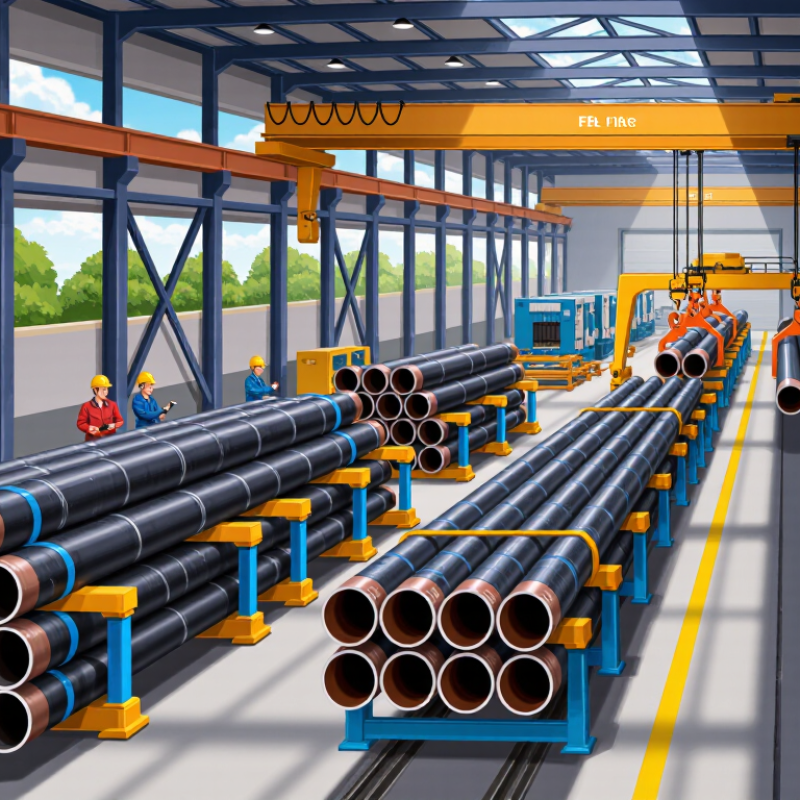
| Packaging, handling, and storage | Specify pipe stacking, separators, lifting method, weather protection, and storage duration or conditions where relevant. | Confirm handling practices minimize coating damage and that damaged coating is repaired and documented before dispatch. | Approved handling and packing procedure, visual inspection records, and repair documentation. |
| Final documentation and traceability | Define the required manufacturing data book contents, language, format, and submission timing. | Ensure pipe identification links each joint to its material heat, manufacturing records, inspection results, and coating batch. | Final data book, joint-by-joint traceability list, material certificates, NDT reports, coating test records, and release note. |


 © Copyright 2020 Tianjin Tanghaidongyang Valve Co., Ltd. All Rights Reserved.