How to Choose the Best Casement Window Profiles for Your Home?
When choosing the best Casement Window Profiles for your home, expert advice can make a significant difference. Tom Harrison, a renowned architect with over 20 years of experience in home design, once said, “The right window profile can transform both aesthetics and energy efficiency.” This underscores the importance of thoughtful selection.
Casement windows are not just about looks. They offer unique ventilation benefits and energy efficiency. However, with numerous options available, homeowners may feel overwhelmed. Selecting the perfect Casement Window Profiles means understanding your needs and the specific features available.
Consider materials, styles, and energy ratings. Each detail can impact your home's comfort and design. Don’t rush this process. Take time to reflect on your choices. Choosing the right Casement Window Profiles can enhance your living space, bringing light and fresh air into your home. Your decision will shape the atmosphere of your home for years to come.
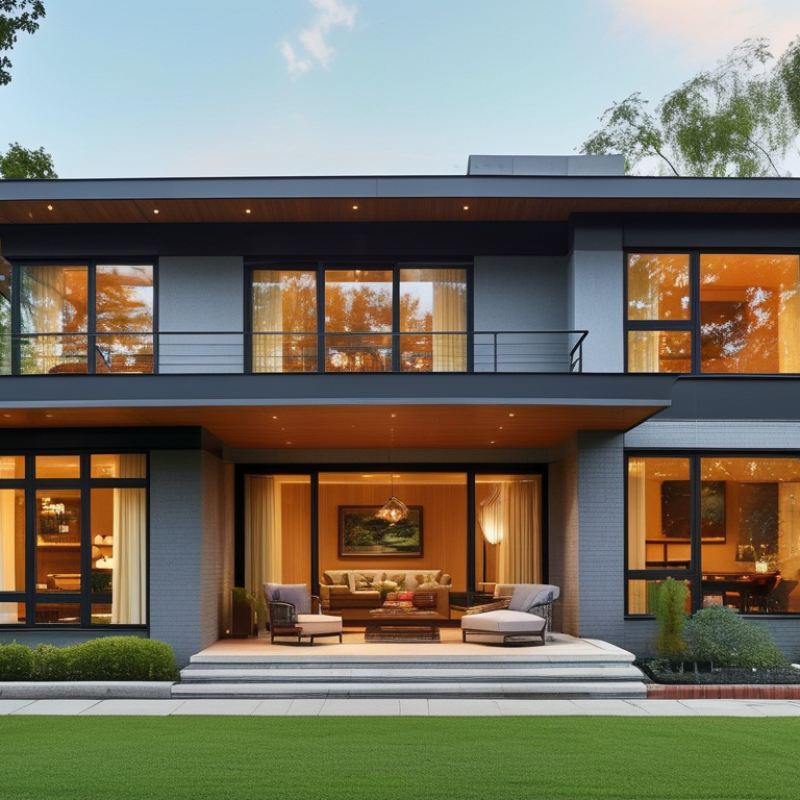
Understanding Casement Windows and Their Benefits
Casement windows have gained popularity due to their unique design and functional benefits. They are hinged on one side, allowing them to open outward. This design maximizes ventilation, making them ideal for homeowners seeking fresh air. The wide opening also allows for unobstructed views, essential for homes situated in beautiful landscapes.
One key benefit is energy efficiency. When properly sealed, casement windows can significantly reduce air leaks. This means reduced energy bills and a more comfortable indoor environment. Further, they offer excellent security features. The locking mechanism is engaged when closed, providing peace of mind for homeowners. However, installation can be tricky. Incorrect measurements might lead to gaps or improper sealing.
Choosing the right profile can be daunting. Factors like material, style, and frame thickness play a crucial role. Wooden frames offer warmth but require regular maintenance. Alternatively, vinyl frames are low-maintenance but might lack the charm of wood. Reflecting on these aspects can help in making an informed decision tailored to your home’s needs. It's essential to weigh the long-term implications of each choice carefully.
Key Factors to Consider When Selecting Casement Window Profiles
When choosing casement window profiles, several key factors come into play. The first significant consideration is energy efficiency. According to the U.S. Department of Energy, proper window selection can reduce heat loss by up to 20%. Look for profiles with better insulation properties. This can lead to a decrease in heating and cooling costs over time.
Durability is another crucial aspect. Window profiles made from uPVC or fiberglass tend to offer greater resistance to weathering. A study by the National Association of Home Builders (NAHB) shows that durable materials can last up to 30 years. This longevity means fewer replacements and repairs, ultimately saving money.
Aesthetic appeal shouldn’t be overlooked. Many homeowners prefer custom designs that fit their home’s architecture. However, finding the balance between style and function can be challenging. Not every beautiful profile offers optimal performance. It's essential to consider how a profile looks alongside its functional traits, as this balance can influence your overall satisfaction with the product.
Materials and Durability: Choosing the Right Profile for Your Climate
When selecting casement window profiles for your home, consider materials and durability. These factors directly influence your windows’ performance. Different climates require different materials. For instance, in coastal areas, exposure to salt can affect certain profiles. Choose materials that withstand winds and moisture for better longevity.
Wood profiles offer natural beauty but require regular maintenance. Vinyl profiles are budget-friendly and provide excellent insulation. Aluminum frames are durable but may not insulate as well. Analyze your local climate and choose accordingly.
**Tip:** Always consider your maintenance tolerance. If you prefer low-maintenance options, vinyl or fiberglass may be ideal.
Profile thickness can affect energy efficiency. A thicker frame often equates to better insulation. However, heavy profiles can be cumbersome during installation. Seek a balance that reflects your needs.
**Tip:** Check for energy ratings on the profiles you consider. This can help predict how well they'll perform over time.
How to Choose the Best Casement Window Profiles for Your Home? - Materials and Durability: Choosing the Right Profile for Your Climate
| Profile Material | Durability | Climate Suitability | Maintenance | Energy Efficiency |
| Wood | Moderate (requires treatment) | Temperate climates | High maintenance | Good |
| Vinyl | High (resistant to moisture) | All climates | Low maintenance | Excellent |
| Aluminum | High (very durable) | Mild and coastal climates | Moderate maintenance | Good |
| Fiberglass | Very high (weather resistant) | All climates | Low maintenance | Excellent |
Design and Aesthetics: Matching Casement Windows to Your Home's Style
When choosing casement windows, design and aesthetics play a crucial role. A well-designed window can enhance your home’s architectural identity. According to a recent report by the American Architectural Manufacturers Association, nearly 63% of homeowners prioritize style when selecting windows. This highlights the importance of matching window profiles to your home's existing design.
Consider your home's style. If you live in a traditional home, opt for classic casement designs with intricate details. These can complement features like decorative eaves or wood trim. For modern homes, sleek and minimalistic profiles work well, providing a clean look. The National Association of Home Builders states that 45% of homeowners prefer energy-efficient designs, which can also reflect a modern aesthetic.
Be aware of your layout. Windows should not overwhelm the facade. Instead, they should create a balanced look. Oversized profiles may dominate smaller homes, leading to a mismatch. Conversely, small windows in larger structures can appear insignificant. Reflecting on these aspects can help ensure your casement windows are not just functional but also enhance your home's overall appearance.
Energy Efficiency and Performance Ratings for Casement Windows
When selecting casement windows, energy efficiency is vital. Consider windows with high performance ratings for insulation. These ratings reflect a window's ability to keep heat in winter and out in summer. Look for U-factor and Solar Heat Gain Coefficient (SHGC) values. Lower U-factor means better insulation, while lower SHGC reduces heat gain from the sun.
Material makes a difference too. Vinyl frames often provide good thermal performance at an affordable price. Wood is appealing for its aesthetics but can require more maintenance. Test different materials against your climate needs. Reflect on what you really want—a balance between style and functionality is essential.
Remember, the installation process impacts energy efficiency. Poorly installed windows can lead to drafts and increased energy bills. Ensure you review your contractor’s past work to gauge reliability. Experience counts, and a qualified installer can significantly affect your windows' performance. Energy efficiency shouldn't be an afterthought; it should guide your choices.



 © Copyright 2020 Tianjin Tanghaidongyang Valve Co., Ltd. All Rights Reserved.