How to Choose the Best Cellulose Based Packaging Solutions?
In the quest for sustainable packaging solutions, Cellulose Based Packaging has emerged as a viable option. This eco-friendly material is derived from plant sources, making it biodegradable and renewable. As consumers become more environmentally conscious, the demand for cellulose based packaging continues to grow.
Choosing the right cellulose based packaging is crucial for businesses. It requires careful consideration of various factors, such as the type of product, shelf life, and environmental impact. Not all cellulose based options are created equal. Some may not meet the necessary durability or barrier properties required for specific products. It's vital to evaluate these aspects before making a decision.
Additionally, it's essential to reflect on the long-term implications. While cellulose based packaging offers numerous benefits, it is not a one-size-fits-all solution. Companies must assess their unique needs and customer expectations. Striking the right balance between sustainability and functionality can be challenging but is necessary for a successful transition to eco-friendly practices.
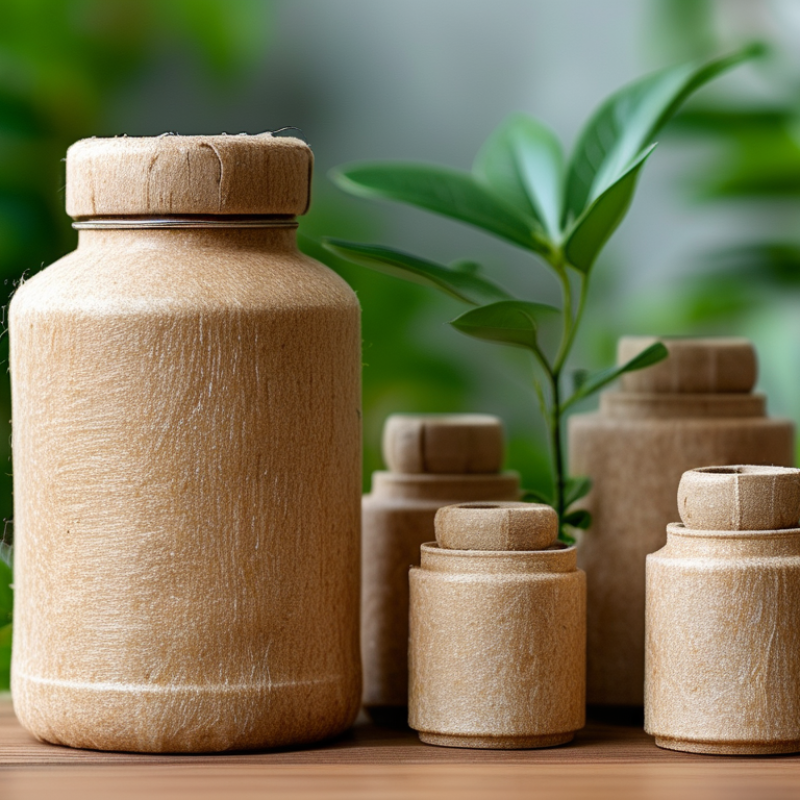
Understanding Cellulose Based Packaging: An Overview
Cellulose-based packaging has gained traction as a sustainable alternative to traditional materials. This eco-friendly option is derived from plant fibers, making it biodegradable and compostable. According to a recent industry study, the global demand for cellulose packaging is expected to reach $1.5 billion by 2025, reflecting its growing importance in eco-conscious markets.
When selecting cellulose-based packaging, understanding its properties is crucial. It offers effective moisture resistance and can be tailored for various applications. However, not all cellulose materials are created equal. Some may lack durability or require additional treatments for food safety. This inconsistency can lead to potential challenges in performance.
**Tip:** Always check certifications when selecting cellulose packaging. Authentic certifications ensure adherence to safety and sustainability standards.
Businesses should also consider the lifecycle of their packaging solutions. It's vital to assess the environmental impact from production to disposal. Some cellulose options may still have a carbon footprint that does not align with your sustainability goals. Engaging with suppliers who prioritize transparent practices can help navigate this landscape effectively.
**Tip:** Engage with sustainable suppliers. Their expertise can guide you toward effective cellulose solutions.
Advantages of Cellulose Based Packaging Solutions
Cellulose-based packaging solutions are gaining popularity due to their environmental benefits. They are derived from renewable sources, such as wood and plant fibers, making them biodegradable. Reports indicate that the global cellulose packaging market is projected to grow at a CAGR of 5.4%, suggesting increasing consumer preference for sustainable options.
One major advantage of cellulose packaging is its versatility. It can be used for a range of products, from food to cosmetics. Additionally, cellulose films often have good oxygen and moisture barrier properties. This means that products packaged in cellulose can maintain their freshness longer. A study by Smithers Pira indicates that environmentally friendly packaging can boost sales by 20% among eco-conscious consumers.
Tip: When considering cellulose packaging solutions, evaluate the specific needs of your product. Consider factors like shelf life and protection from moisture.
Another aspect to reflect on is the cost. While cellulose materials may be pricier than traditional plastics, the long-term savings from reduced waste disposal can offset initial expenses. Businesses must weigh the potential benefits against their budget constraints.
Tip: Engage with suppliers to explore options. They can offer insights into the best cellulose solutions for your needs. This can enhance the overall value of your packaging strategy.
How to Choose the Best Cellulose Based Packaging Solutions? - Advantages of Cellulose Based Packaging Solutions
| Feature | Description | Advantages |
| Biodegradability | Made from natural cellulose materials that can decompose. | Reduces landfill waste and environmental impact. |
| Renewable Resource | Sourced from sustainable plant materials. | Supports sustainable practices and reduces reliance on fossil fuels. |
| Customization | Can be tailored to specific product requirements and branding. | Offers unique branding opportunities and improved customer engagement. |
| Versatility | Suitable for various types of products, from food to non-food items. | Provides a wide range of applications across markets. |
| Barrier Properties | Effective protection against moisture, oxygen, and other contaminants. | Enhances product shelf life and maintains quality. |
Key Factors to Consider When Choosing Cellulose Packaging
Choosing the best cellulose-based packaging solutions can significantly impact your business. Key factors to consider include sustainability, design, and performance. Recent reports indicate that the global demand for biodegradable packaging is projected to reach $500 billion by 2025. This trend highlights the importance of green alternatives like cellulose packaging.
When selecting cellulose packaging, consider the environmental benefits. Cellulose is derived from renewable resources, making it a sustainable choice. Look for certifications that show compliance with eco-friendly standards. Reports show that companies prioritizing sustainability see a 20% increase in customer loyalty.
Tip: Analyze the intended use of your packaging. Different products require different levels of protection and moisture resistance. Moreover, evaluate the aesthetic appeal. Packaging design plays a vital role in consumer perception. Aim for a balance between functionality and visual impact.
Another factor is the cost-effectiveness of cellulose solutions. While they may have a higher upfront cost, the long-term benefits often outweigh initial expenses. Research suggests that efficient supply chain management can reduce costs up to 30%. Monitor market trends closely, as innovations can lead to improvements in affordability and performance.
Comparing Different Types of Cellulose Packaging Materials
When selecting cellulose-based packaging solutions, it’s vital to consider the various types available. Each type has unique properties that can affect performance and sustainability. For example, regenerated cellulose is often used for its high transparency and flexibility. It's suitable for wrapping delicate items. On the other hand, cellulose film offers excellent barrier properties. It protects against moisture and oxygen, making it ideal for food packaging.
Another noteworthy material is cellulose pulp, which is biodegradable and compostable. This makes it an excellent choice for eco-conscious brands. However, it can lack the strength required for heavier products. The trade-off between environmental benefits and functionality can be challenging.
Moreover, the production process of each material impacts its environmental footprint. Some cellulose materials require extensive processing, which can offset their sustainability appeal. Evaluating these factors critically can help you navigate the options effectively. It’s essential not to prioritize aesthetics over performance. Each choice should align with your product needs and environmental values.
Sustainability and Environmental Impact of Cellulose Packaging
Cellulose-based packaging offers significant advantages for sustainability. This material is biodegradable and compostable, breaking down naturally in the environment. According to a report by Smithers, the global market for biodegradable plastics is projected to reach $6.36 billion by 2024, highlighting the increasing demand for eco-friendly solutions. Cellulose packaging can significantly reduce landfill waste and greenhouse gas emissions, making it an attractive option for eco-conscious businesses.
Moreover, cellulose is derived from renewable resources such as wood pulp. The U.S. Department of Agriculture indicates that sustainable forestry practices can ensure a steady supply without depleting forests. However, the extraction process can sometimes lead to deforestation and habitat loss if not managed responsibly. Companies must evaluate their sourcing methods and prioritize suppliers who adhere to strict environmental standards.
Lifecycle assessments (LCAs) of cellulose packaging show lower carbon footprints compared to plastic. Still, the energy required for production remains a challenge. Production could leave a notable ecological footprint if renewable energy sources are not used. This calls for ongoing improvements in manufacturing processes to enhance sustainability further. Striking a balance between environmental impact and production efficiency is crucial as industries transition to greener packaging alternatives.



 © Copyright 2020 Tianjin Tanghaidongyang Valve Co., Ltd. All Rights Reserved.