How to Choose the Best Medical Waste Sterilizer for Your Needs?
Choosing the right Medical Waste Sterilizer can be a daunting task. The importance of effective sterilization in healthcare settings cannot be overstated. As Dr. Emily Carter, a leading expert in biomedical waste management, once said, "The effectiveness of waste sterilization directly impacts public health."
When selecting a Medical Waste Sterilizer, various factors come into play. Consider the volume of waste generated daily. Different facilities have unique requirements. Some may need portable options, while others require large-scale systems. It's crucial to match the sterilizer's capabilities with your specific needs.
Moreover, don’t overlook the environmental impact. An efficient Medical Waste Sterilizer should minimize harmful emissions. Additionally, reliability and ease of operation are vital. You want a system that won't fail during critical operations. Reflect on these aspects carefully. Selecting the best equipment requires thorough research and reflection on your facility’s capabilities and commitment to safety.
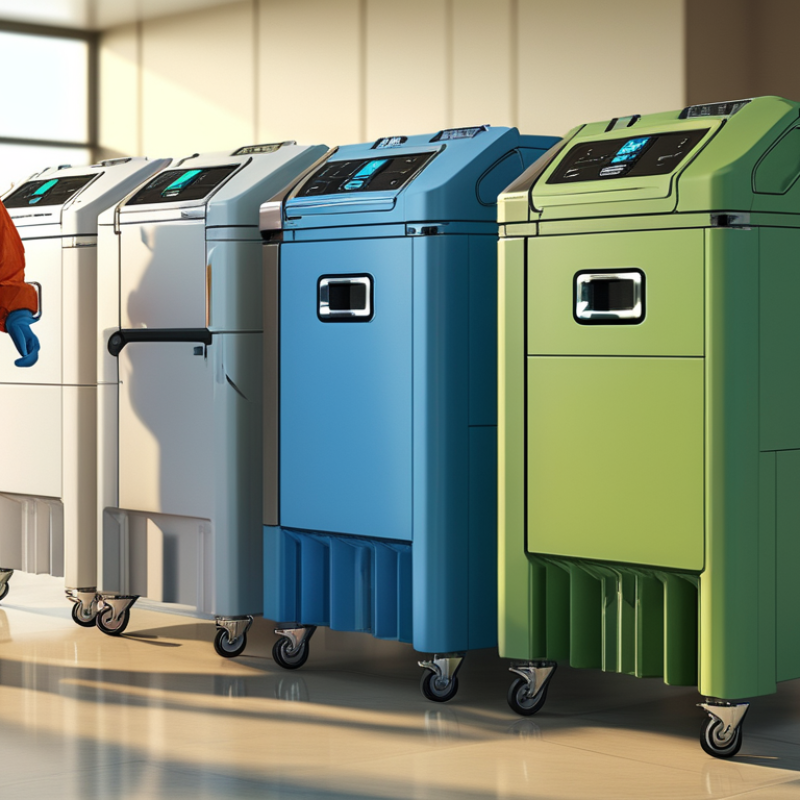
Understanding the Types of Medical Waste Sterilizers Available
When considering medical waste sterilizers, understanding the types available is crucial. There are three primary categories: autoclaves, chemical sterilizers, and microwaves. Each type caters to different needs. Autoclaves are widely used in hospitals. They utilize steam under pressure to eliminate pathogens. Reports indicate that autoclaves can achieve up to a 99.99% reduction in infectious agents, making them highly effective.
Chemical sterilizers often use liquid and gas chemicals for waste decontamination. They are ideal for sensitive materials that cannot withstand high temperatures. According to a study, chemical methods can successfully sterilize up to 85% of waste under controlled conditions. This method requires careful handling and strict adherence to safety protocols, as chemicals can pose hazards.
Microwave sterilizers offer another option. They use high-frequency waves to heat waste, converting moisture into steam. Industry data reveals that microwave sterilizers can reduce waste volume by up to 90%. However, inconsistent performance can raise concerns. Operators need to manage specific time and temperature settings effectively to ensure thorough sterilization. Understanding these types helps in selecting a suitable solution for medical waste management.
How to Choose the Best Medical Waste Sterilizer for Your Needs?
| Type of Sterilizer | Mechanism | Temperature Range | Typical Applications | Advantages | Disadvantages |
| Autoclave | Steam under pressure | 121-134°C | Surgical instruments, textiles | Effective and reliable | Requires training and maintenance |
| Dry Heat Sterilizer | Hot air circulation | 160-180°C | Glassware, metal instruments | No moisture damage | Longer processing times |
| Chemical Sterilizer | Chemical agents (e.g., ethylene oxide) | N/A | Heat-sensitive items | Suitable for delicate instruments | Toxicity and ventilation required |
| Plasma Sterilizer | Low-temperature hydrogen peroxide gas | 35-50°C | Surgical tools, implants | Fast and effective | Limited compatibility with materials |
| Irradiation Sterilizer | Gamma or electron beam radiation | N/A | Pre-packaged medical devices | Effective for large volumes | High initial costs |
Key Factors to Consider When Selecting a Medical Waste Sterilizer
When selecting a medical waste sterilizer, several key factors should guide your decision. The volume of waste you generate is crucial. Smaller facilities may need compact models, while larger ones require high-capacity options. It’s also essential to consider the type of waste. Different materials require different sterilization methods.
Tips: Start by assessing your facility's waste output. This will help narrow down your choices. If you're unsure, consult with professionals who have experience in waste management.
Another critical factor is compliance with regulations. Each region has its guidelines on medical waste handling. Ensure the sterilizer you choose meets these standards. It's not only about efficiency but also legal obligations.
Tips: Always review documentation before making a purchase. It ensures the equipment adheres to local laws. Additionally, check maintenance requirements; reliable sterilizers should be easy to maintain for optimal performance. The choice you make can significantly impact your facility's operational efficiency and safety.
Evaluating Efficiency and Effectiveness of Sterilization Methods
When choosing a medical waste sterilizer, it's vital to evaluate the efficiency and effectiveness of various sterilization methods. Recent studies show that steam sterilization, or autoclaving, is highly effective, achieving up to a 99.99% sterilization rate for biological contaminants. This method uses high-pressure steam at temperatures over 121°C to kill pathogens, making it a trusted choice in many healthcare settings.
However, it's essential to note that not all materials withstand steam sterilization. Some plastics and electronic devices may be damaged. When selecting a method, consider the types of waste generated in your facility. For instance, incineration can effectively eliminate hazardous waste, yet it poses environmental concerns.
**Tip:** Regularly train staff on proper waste segregation. Proper segregation enhances sterilization effectiveness and minimizes the risk of contamination.
Another area to explore is the use of chemical sterilizers, which can be effective for heat-sensitive materials. Research indicates that chemical methods can achieve a reduction of microbial load comparable to physical methods, but the process may take longer. It's crucial to monitor the conditions under which these methods operate to ensure reliability.
**Tip:** Invest in monitoring devices to keep track of sterilization parameters. Regular audits enhance the effectiveness of the chosen method and provide crucial data for improvements.
Assessing Compliance with Regulatory Standards for Medical Waste
When assessing compliance with regulatory standards for medical waste, understanding specific requirements is essential. Various regulations dictate how medical waste should be handled, treated, and disposed of. Adhering to these regulations protects public health and the environment. Different regions may have unique guidelines, making it crucial for facilities to stay informed.
Choosing the right sterilizer involves careful consideration of these standards. Some sterilizers may meet certain regulations, while failing to comply with others. Engage with experts who can guide you on the nuances of these regulations. Documentation and validation processes can vary significantly. Regular audits can help identify compliance gaps. This is where many facilities struggle, as staying current with regulations can be overwhelming.
Incorporating staff training is another key aspect. Employees must understand their role in compliance. Regular refresher courses can enhance awareness of regulatory standards. Facilities can be penalized for non-compliance. Therefore, it's vital to foster a culture of accountability. Reflecting on current practices and ensuring technology aligns with regulatory requirements should be a priority.
Medical Waste Sterilization Compliance Assessment
Cost Analysis: Budgeting for a Medical Waste Sterilizer Purchase
When budgeting for a medical waste sterilizer, it's essential to consider both initial and ongoing costs. The price range for sterilizers can vary significantly, often falling between $10,000 and $50,000. However, the upfront expense is just one part of the equation. Operating costs, including energy consumption and maintenance, can add an additional $2,000 to $5,000 annually. Regular maintenance is vital to ensure optimal performance.
One report from the Health Industry Distributors Association highlights that inefficient sterilization processes can lead to increased costs over time. This inefficiency can stem from outdated technology or lack of proper training. Investing in a reliable system could save healthcare facilities up to 30% in waste management costs over five years.
Additionally, some organizations may overlook the importance of regulatory compliance when considering costs. Failing to meet local and federal requirements can result in hefty fines. Therefore, evaluating the total cost of ownership—including compliance and potential penalties—is crucial. It’s important to reflect on these aspects to make a well-informed decision.


 © Copyright 2020 Tianjin Tanghaidongyang Valve Co., Ltd. All Rights Reserved.