How to Choose the Best Non Toxic Bicycle for 2026?
Choosing the right bicycle can be challenging, especially when considering non-toxic options. As consumers become more environmentally conscious, the demand for the "Best Non Toxic Bicycle 2026" has surged. Industry expert Dr. Emily Thompson, a leading figure in sustainable cycling products, states, “The future of biking is not just about speed; it’s about safety for our planet.”
A non-toxic bicycle prioritizes materials that are safe for both riders and the environment. This choice significantly reduces exposure to harmful chemicals. Opting for bicycles made from sustainable resources is now easier than ever. Many manufacturers are now committed to transparency in sourcing. They strive to provide quality products that align with eco-friendly principles.
However, navigating the market is not without its challenges. With so many options available, not every 'green' bike lives up to its claims. It's essential for consumers to do thorough research. The journey to find the best ride not only enhances personal health but also contributes to a larger cause. Investing time and effort in selecting the "Best Non Toxic Bicycle 2026" ensures your choice is effective and responsible.
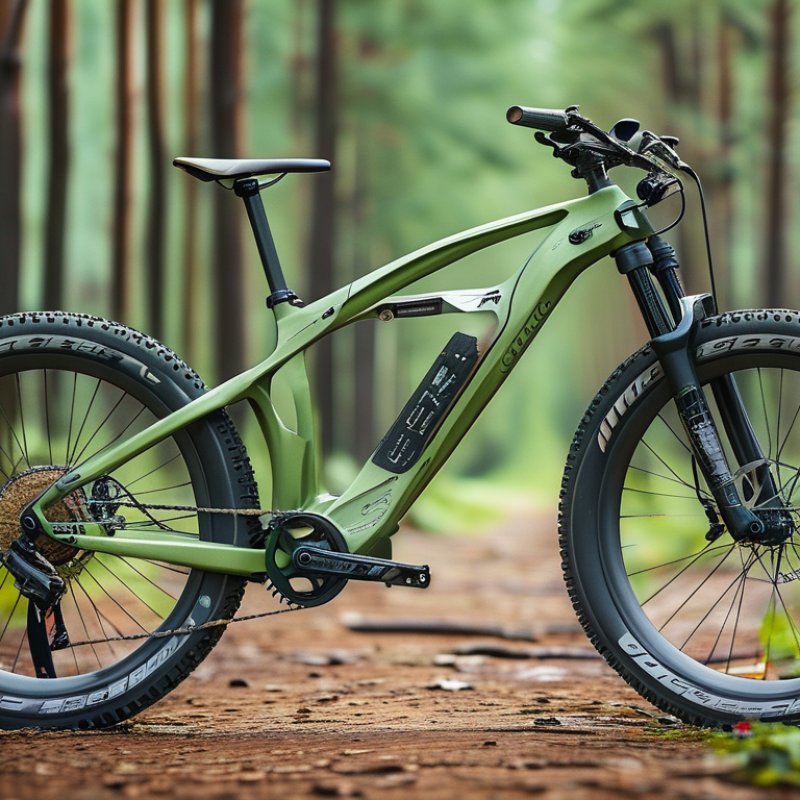
Understanding Non-Toxic Bicycle Materials for 2026
When choosing a non-toxic bicycle in 2026, understanding materials is crucial. Many bicycles use aluminum, carbon fiber, and steel. These materials often have coatings that can be harmful. Look for options made from eco-friendly materials. For example, bamboo is gaining popularity. It's lightweight and biodegradable. However, the source of bamboo matters. Some suppliers may not be sustainable.
Another material to consider is recycled aluminum. This option reduces waste and often contains fewer toxic elements. Additionally, check for non-toxic paints and adhesives. Many manufacturers are now using water-based solutions. These options minimize volatile organic compounds. However, not all manufacturers disclose this information. Always research thoroughly before purchasing.
You might also find that some non-toxic bicycles lack the performance of traditional ones. This gap can lead to frustration. Finding a balance between safety and performance is essential. Be prepared to test various models and speak with knowledgeable experts. Each rider's needs can differ significantly. A thorough investigation will lead to better choices.
Key Features to Look for in Non-Toxic Bicycles
When selecting a non-toxic bicycle for 2026, it's essential to identify key features that ensure safety and environmental responsibility. First, materials matter significantly. Look for bicycles made from aluminum or recycled steel. These materials are durable and have a lower environmental impact. Studies indicate that over 80% of bicycles in the market use either of these materials, helping to reduce carbon footprints.
Safety features are also crucial. Non-toxic bicycles should have non-toxic paint and finishes. Many standard bicycles contain harmful chemicals that can pose health risks. According to a 2022 report by the Environmental Protection Agency, nearly 30% of bicycle components were found to contain hazardous substances. Look for certifications like ASTM or ISO to confirm that the bicycle meets safety standards.
Comfort and ergonomics are worth considering too. Test ride before you buy. Sometimes, a well-designed frame doesn't translate to comfort. Reports show that around 40% of cyclists experience discomfort, which can discourage regular use. Ensuring proper sizing and adjustments can vastly improve your riding experience. Non-toxic bicycles are not just about materials; they should also enhance your overall cycling journey.
How to Choose the Best Non Toxic Bicycle for 2026? - Key Features to Look for in Non-Toxic Bicycles
| Feature | Importance | Description |
| Material | High | Choose frames made from non-toxic materials like aluminum or bamboo. |
| Finish | High | Look for powder coating or water-based finishes instead of toxic paint. |
| Components | Medium | Ensure components like grips and saddles are made from non-toxic materials. |
| Sustainability | High | Prioritize brands that focus on environmentally friendly practices. |
| Certifications | High | Check for certifications like ASTM or ISO for safety and toxicity. |
| Recyclability | Medium | Look for materials that can be easily recycled at the end of the bike's life. |
Top Non-Toxic Bicycle Brands to Consider in 2026
When choosing a non-toxic bicycle in 2026, it's essential to consider the brands committed to safety and sustainability. According to a recent industry report, nearly 70% of consumers prioritize non-toxic materials when purchasing bicycles. This shift reflects a growing awareness of environmental issues and personal health concerns. Brands that utilize eco-friendly paints, biodegradable materials, and non-toxic adhesives are leading the market.
Look for bicycles made with aluminum or sustainable bamboo frames. These materials are not only sturdy but also avoid harmful chemicals found in traditional bicycles. Experts suggest checking for certifications like ASTM or ISO, which ensure products meet safety standards. These can be indicators of reliable and non-toxic options.
Tips: Always read the specifications closely. Consider brands that provide transparency about their materials. Participate in community forums or groups focused on green cycling. Engaging with experienced cyclists can offer insights into which brands truly lead in non-toxic innovations. Make your decision based on informed opinions and trusted resources. The bicycle market is constantly evolving; remember that not every product marketed as "green" is genuinely safe. Prioritize research to find brands that consistently deliver on their promises.
Safety Standards for Non-Toxic Bicycles: What You Need to Know
When selecting a non-toxic bicycle, understanding safety standards is crucial. In 2020, the U.S. Consumer Product Safety Commission reported that nearly 800,000 injuries related to bicycles were treated in emergency rooms. Therefore, safety standards for bicycles are not just guidelines; they are essential metrics for ensuring rider safety.
One key standard to consider is the ISO 4210. This standard outlines important safety criteria that non-toxic bicycles must meet. It includes aspects such as frame strength, brake performance, and stability. Bicycles that comply with ISO 4210 undergo rigorous testing to ensure they can withstand typical wear and tear. Moreover, the ASTM F2043 standard addresses safety for youth bicycles, ensuring that bicycles marketed for children adhere to tight regulations regarding materials and construction.
Moreover, it is important to evaluate materials used in the bicycle’s components, such as paint and plastics. The absence of harmful chemicals like phthalates and lead is imperative. In 2021, a study by the Environmental Protection Agency highlighted that exposure to lead from painted bicycle surfaces increases the risk of developmental issues in children. Therefore, checking for certifications like the Environmental Choice Program can be beneficial. It emphasizes that a product is free from harmful chemicals and adheres to environmental safety standards.
Where to Buy: Finding Non-Toxic Bicycles Online and Locally
When looking for non-toxic bicycles, it's essential to know where to buy them. Online shopping provides a vast selection, but quality can vary. Look for retailers that specialize in eco-friendly products. Check customer reviews for insights on their experiences. It’s a good idea to explore marketplaces that prioritize sustainability. Their offerings often include a range of options that align with health and environmental standards.
Local shops can be a wonderful resource too. Connecting with a knowledgeable salesperson can make a difference. They may offer advice on the best non-toxic materials used in their bicycles. Always ask about the manufacturing processes. Sometimes, you can find hidden gems in smaller, community-focused stores. This not only supports local businesses but also allows you to inspect the bicycle physically.
Many consumers underestimate the importance of research. Not all “green” labels are trustworthy. Be skeptical and validate certifications. Ensure they reflect genuine eco-friendly practices. Understanding the components of a bike can guide your choices. With the right approach, both online and local purchases can lead to a fulfilling cycling experience.



 © Copyright 2020 Tianjin Tanghaidongyang Valve Co., Ltd. All Rights Reserved.