How to Choose the Best Ozone Controller for 2026 Canton Fair?
As the 2026 Canton Fair approaches, choosing the right Ozone Controller is crucial. This event will showcase a vast array of products, ranging from advanced manufacturing to healthcare. Visitors can expect to explore innovative solutions, including those that improve air quality and hygiene.
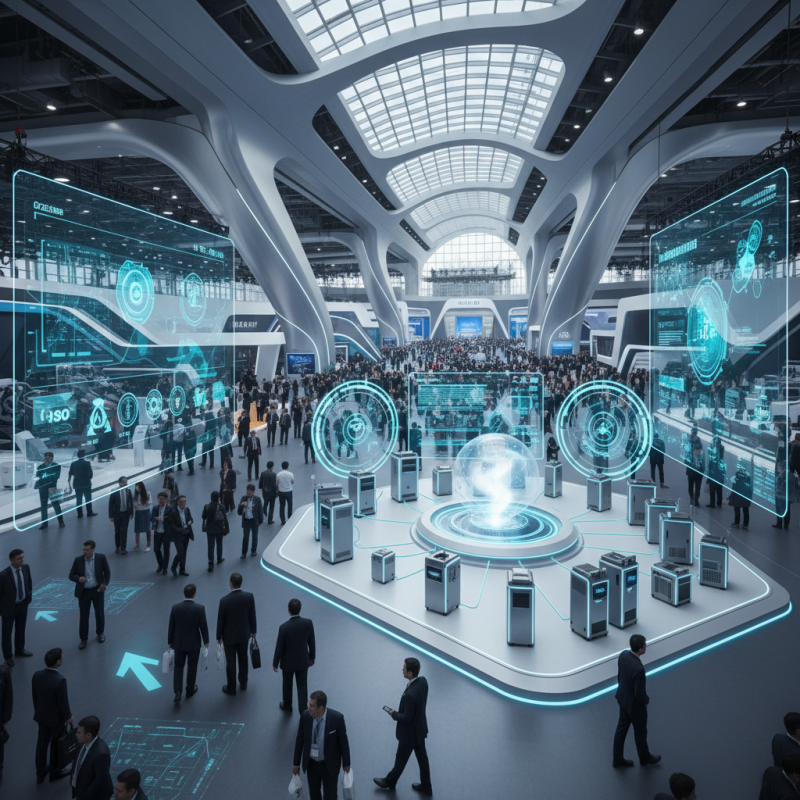
The integration of AI technologies will transform how buyers identify suppliers. Smart navigation will streamline pathways, ensuring efficient exploration of over 1.5 million square meters. It's essential, however, to find an Ozone Controller that meets specific certifications, such as ISO or CE.
Despite the advancements, selecting the best Ozone Controller can be challenging. Many options may seem similar at first glance. It's vital to assess features, effectiveness, and compliance. Reflection on your specific needs can help in making an informed choice.
Factors to Consider When Selecting an Ozone Controller for Industry 4.0
Choosing the right ozone controller for your needs can significantly impact your operations, especially in the context of Industry 4.0. Consider the technology integration of the controller. Advanced ozone controllers are incorporating IoT features. Reports show that businesses utilizing IoT in their operations report a 20-30% increase in efficiency. Look for controllers that support cloud connectivity for real-time monitoring.
Pay attention to the specifications of the controllers. It is essential to check their ozone output capacity and adjustability. An ideal device should have a dynamic range for different applications. A recent study indicates that 55% of users face issues with static ozone settings, underscoring the need for flexibility.
Tips: Ensure that the controller features user-friendly interfaces. Some models can be complicated. This may lead to operational mistakes or inefficiencies. Regular training on the ozone controller can mitigate these issues.
Finally, consider the controller’s energy efficiency. Many industries face high energy costs. According to the Energy Information Administration, ozone generation can account for up to 15% of energy use in air treatment systems. Analyze energy consumption data when selecting your equipment. Remember, overlooking these factors can lead to poor performance and excess costs.
Understanding Ozone Controller Technologies: Key Features and Specifications
When selecting an ozone controller, understanding the key features and specifications is crucial. A good ozone controller must have user-friendly interfaces. Look for adjustable settings that cater to different environments. It should offer precise ozone output control. This ensures efficient usage and prevents over-processing.
Another key feature is monitoring capabilities. Real-time monitoring helps assess ozone levels continuously. Some controllers provide alerts for maintenance. This keeps systems functional and safe. Additionally, consider their build quality. Controllers should withstand varying conditions. Durability impacts their long-term performance.
Pay attention to energy consumption as well. Efficient models save costs over time. However, some controllers sacrifice power for features. This can lead to higher bills. Reflection on the balance of features versus efficiency is necessary. Think about your specific needs before making a decision.
Comparison of Key Features in Ozone Controllers
Market Trends: Ozone Controller Demand Projections for 2026
As we look ahead to the 2026 Canton Fair, understanding market trends for ozone controllers is essential. Demand is projected to soar due to increasing environmental awareness. Businesses are seeking efficient solutions to combat air pollution. This trend is not just a response to regulations; it's about social responsibility.
In recent years, ozone controllers have gained popularity across various sectors. Industries now recognize their role in maintaining air quality. However, the market is not without challenges. Many products lack adequate safety measures. Consumers are often confused by the range of options available. They seek guidance to navigate the complexities of product features and efficacy.
Investors should also be cautious. The rush to meet demand may lead to quality compromises. Ensuring reliability is crucial. Companies may need to refine their offerings. Innovation should focus on safety and effectiveness. This balance will be vital for success. Understanding these dynamics will help businesses make informed choices at the Canton Fair.
Ozone Controller Demand Projections for 2026
| Region | Projected Demand (Units) | Market Growth Rate (%) | Key Application Areas |
| North America | 150,000 | 8.5 | Water Treatment, Air Purification |
| Europe | 120,000 | 7.2 | Food Processing, HVAC Systems |
| Asia-Pacific | 300,000 | 10.0 | Industrial Applications, Waste Management |
| Latin America | 50,000 | 5.5 | Agricultural Use, Indoor Air Quality |
| Middle East & Africa | 80,000 | 6.8 | Air Treatment, Healthcare Applications |
Regulatory Standards for Ozone Controllers in Industrial Applications
When selecting the best ozone controller for the 2026 Canton Fair, understanding regulatory standards is crucial. Various industrial applications rely on ozone controllers for effective air purification and wastewater treatment. However, not all systems meet the required safety and quality benchmarks. Addressing these concerns ensures a reliable environment for both workers and the community.
Specific regulations dictate the acceptable levels of ozone emissions in industrial settings. For instance, controllers must comply with limits associated with ozone concentration in the ambient air. Improperly regulated devices can lead to health risks, affecting everything from respiratory issues to workplace accidents. Therefore, it is essential to review compliance documentation thoroughly.
There’s a growing movement towards sustainability in industrial processes. Many companies seek ozone controllers that not only meet regulatory standards but also have energy-efficient features. While these options exist, a balance between performance and compliance can sometimes lead to questionable choices. Decision-makers must reflect on their priorities, weighing immediate needs against long-term impacts.
Comparing Performance Metrics: Efficiency and Longevity in Ozone Controllers
When evaluating ozone controllers for the 2026 Canton Fair, efficiency and longevity are crucial performance metrics. A recent industry report noted that efficient ozone controllers can reduce energy consumption by up to 30%. This means lower operating costs and a smaller carbon footprint. However, many controllers often compromise efficiency for higher ozone output. This trade-off can lead to increased energy bills over time.
Longevity is equally important. Controllers should ideally last around 5 to 10 years, depending on usage. Regular maintenance can extend life, but many users overlook this. Reliable data shows that nearly 40% of ozone controller failures stem from inadequate upkeep. Choosing a model that includes self-diagnostic features can help users catch issues early. Users might consider the implications of these factors seriously. Performance varies widely among different models. It's essential to review specifications thoroughly before making a decision.
Furthermore, noise levels can impact usability, particularly in commercial settings. Some advanced models operate quietly, while others are noticeably loud. It's worth noting that comfort can be affected by these noise levels. An assessment of efficiency and longevity must also include an analysis of user experience in real-world applications. Collectively, these metrics can guide users toward selecting the right ozone controller for their specific needs.



 © Copyright 2020 Tianjin Tanghaidongyang Valve Co., Ltd. All Rights Reserved.