2026 How to Choose the Best Sampling Wire Harness Solutions?
In the rapidly evolving world of technology, the importance of selecting the right Sampling Wire Harness cannot be overstated. Industry expert Dr. Jane Smith, a renowned electrical engineer, states, "The right wire harness is critical for optimizing performance and reliability." Her insight emphasizes the need for careful consideration in this choice.
Sampling Wire Harness solutions play a crucial role in ensuring the efficiency of electrical connections. These harnesses are designed to streamline processes in various applications. From automotive systems to consumer electronics, precision matters. When evaluating options, it's essential to contemplate the specific requirements of your project. Quality, compatibility, and durability all influence the final decision.
However, choosing the right Sampling Wire Harness can seem daunting. Many companies offer similar products, which can lead to confusion. Additionally, not all suppliers provide the same level of expertise. Without appropriate guidance, buyers may find themselves questioning their choices. Investing time in research and consultation can lead to a more informed decision. Ultimately, it is worth the effort to ensure your project’s success.
Understanding the Importance of Sampling Wire Harness in Industry
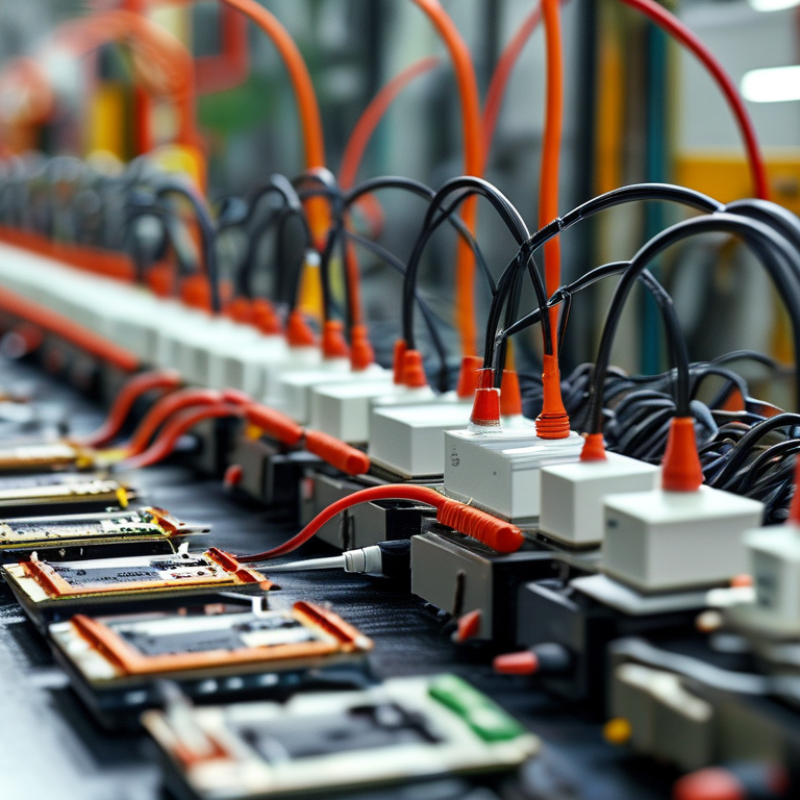
Sampling wire harnesses play a crucial role in various industries, particularly in automotive and electronics. These harnesses facilitate the easy connection of different components. They ensure reliability and efficiency during product testing phases. In a study by the Wiring Harness Manufacturer’s Association, over 70% of manufacturers reported improved quality with sampling solutions.
The importance of sampling wire harnesses extends beyond just functionality. Technicians can identify potential issues early in the production process. This proactive approach reduces costly downstream errors. A report from the Automotive Industry Action Group states that effective sampling can minimize product recalls by nearly 30%. Such data emphasizes the necessity of incorporating sampling solutions into manufacturing strategies.
However, challenges persist in achieving optimal sampling practices. Many companies struggle with inconsistent quality standards. This inconsistency can lead to wasted resources and testing delays. As industries evolve, adapting to new technologies and strategies is essential. Continuous improvement in sampling wire harness solutions is needed to stay competitive.
2026 How to Choose the Best Sampling Wire Harness Solutions? - Understanding the Importance of Sampling Wire Harness in Industry
| Dimension | Description | Importance | Considerations |
| Material Type | Types of materials used in wiring, insulation, and connectors. | Determines durability and electrical performance. | Evaluate environmental conditions and industry standards. |
| Gauge Size | Thickness of wire used in the harness. | Affects current capacity and flexibility. | Assess electrical load and space constraints. |
| Connector Type | Variety of connectors available (e.g., JST, Molex). | Impacts compatibility and ease of assembly. | Ensure alignment with existing equipment and connectors. |
| Assembly Method | Techniques used for assembling the harnesses. | Affects reliability and time efficiency during production. | Consider cost versus time efficiency for production. |
| Testing Procedures | Methods used for testing the wire harness's functionality. | Ensures long-term reliability and safety. | Implement testing protocols in line with industry regulations. |
Key Factors to Consider When Choosing Wire Harness Solutions
Choosing the right sampling wire harness solutions is crucial for any project. A key factor to consider is the material used for the wiring and insulation. Different materials offer varying levels of durability and flexibility. For instance, some materials withstand extreme temperatures better than others. Understand the environment where the wire harness will operate. This will help you select materials that can prevent early failures.
Another important consideration is the level of customization required. Wire harness solutions often need to fit specific applications. Evaluate the complexity of your project. Do you need multiple connectors or a simple design? A well-thought-out design minimizes potential issues during installation. It's essential to work with experienced professionals who understand your needs.
Reliability is always a concern. Quality control processes are crucial in producing dependable wire harnesses. Look for manufacturers who follow rigorous testing protocols. Ask about their experience in the industry. This gives you confidence in their ability to meet standards. Pay attention to reviews and case studies. They can provide insight into a company's credibility and the performance of their products.
Types of Sampling Wire Harness Solutions Available in the Market
When considering sampling wire harness solutions, understanding the types available can greatly enhance your selection process. The market offers various options, each tailored for different applications. Common types include standard wire harnesses, custom solutions, and modular designs. Standard harnesses are often ready-to-use, while custom designs cater to specific needs, allowing for unique configurations. Modular designs simplify the assembly process, making upgrades easier.
Choosing the best solution requires careful consideration. Examine your requirements in detail. Evaluate the size, weight, and electrical specifications of your project. Different materials can impact performance and durability. A deeper understanding of these factors will guide your selection.
Before making a decision, consult with professionals. Seek advice from experienced engineers or industry experts. They can provide insights based on real-world applications and potential challenges. Also, consider prototyping. Testing various designs helps identify potential shortcomings and ensures compatibility with your equipment. This iterative process may take time, but it leads to more reliable outcomes. Your investment in proper research will pay off with better functionality and longevity.
Evaluating Quality and Standards in Wire Harness Manufacturing
When choosing a sampling wire harness solution, evaluating quality and standards is paramount. Manufacturing wire harnesses involves strict adherence to numerous industry standards, including ISO 9001 and IPC/WHMA-A-620. According to a recent industry report, about 25% of wire harness failures stem from poor quality control in manufacturing processes. This highlights the critical need for rigorous evaluations at every production stage.
Quality in wire harness manufacturing is not just about the materials used. It also encompasses the processes that ensure reliability. A detailed examination of production techniques, such as crimping and soldering, is essential. In fact, a survey indicated that improper crimping leads to a staggering 40% of failures in electrical connections. It's crucial to engage manufacturers who implement thorough testing protocols, from prototype to final product.
When assessing wire harness suppliers, understanding their certifications is key. Not all certifications guarantee the same level of quality. Look for evidence of compliance with industry benchmarks and standards. Evaluate their track record; how many defects do they typically encounter?
Incorrect assumptions can lead to poor decisions. Gathering insights from client reviews or audits may reveal not just strengths but weaknesses. This reflection can guide your choice towards a more reliable partnership. Quality assurance isn't just a checkbox; it shapes the longevity and safety of your products.
Application-Specific Considerations for Wire Harness Selection
Choosing the right sampling wire harness for specific applications requires careful consideration. Different projects have unique requirements, and understanding these needs can lead to better functionality and reliability. Whether for automotive, aerospace, or industrial machinery, the wire harness must survive environmental factors like temperature, moisture, and vibration.
When evaluating options, consider the materials used. For high-temperature environments, thermoplastic or silicone insulation might be necessary. In contrast, flexible PVC could suit environments requiring movement. Always assess the wire gauge as well, as it impacts both performance and durability.
It's also essential to reflect on the connector types. Will your application demand quick disconnects or ruggedized connectors? Each choice impacts ease of maintenance and overall longevity.
Incorporate feedback mechanisms into your selection process. Talk to engineers and past users about their experiences. They can provide valuable insights on what worked and what didn’t. Always remember that what suits one application may not fit another. Adaptability is key in making the right decision.


 © Copyright 2020 Tianjin Tanghaidongyang Valve Co., Ltd. All Rights Reserved.