How to Choose the Best Wire Harness Sleeve for Your Projects?
When embarking on a wiring project, selecting the right Wire Harness Sleeve is crucial. This decision influences both functionality and durability. A well-chosen sleeve protects wires from wear and environmental factors. With a wide range of materials and designs available, it's easy to feel overwhelmed.
Consider the specific needs of your project. Is flexibility a priority, or do you need higher resistance to heat and abrasion? Different applications demand different features. Some sleeves offer excellent insulation, while others excel in shielding against electromagnetic interference. Be mindful of your choices, as an unsuitable sleeve can lead to complications later.
Consulting with experts can provide valuable insights. Their experience often sheds light on the best practices for selecting Wire Harness Sleeves. However, even professionals might face challenges in finding the ideal product for unique situations. Remember, each project is different, and reflecting on past experiences can inform future decisions effectively.
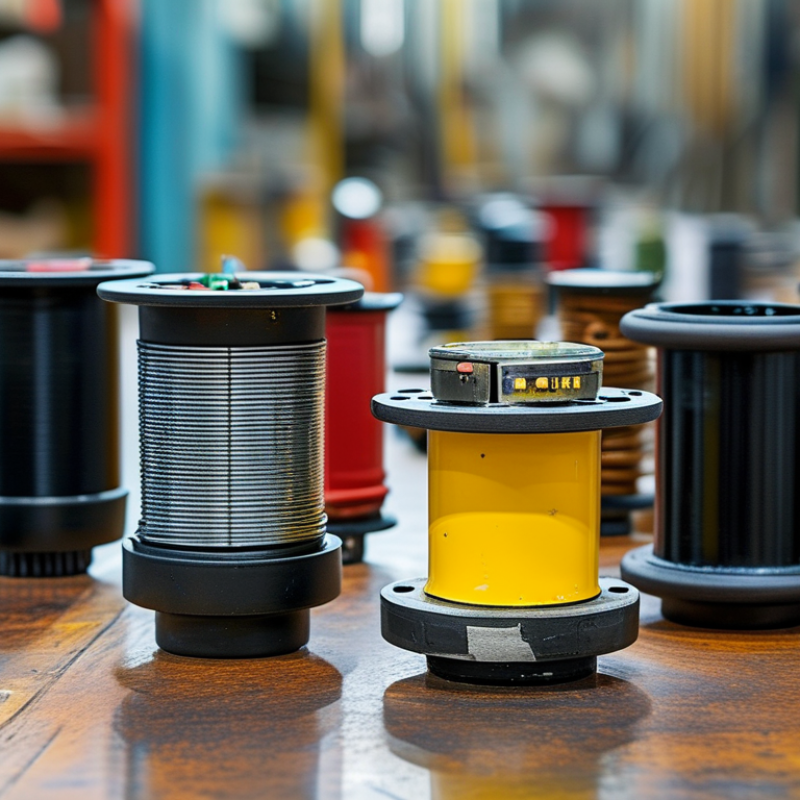
Understanding the Different Types of Wire Harness Sleeves Available
When selecting a wire harness sleeve for projects, understanding the types available is crucial. There are several options, such as heat-shrink tubing, braided sleeves, and spiral wrap. Each type offers unique benefits tailored to specific applications. According to industry analyses, the global wire harness sleeve market is expected to grow significantly, underscoring its importance in various sectors.
Heat-shrink tubing is popular for its ability to provide insulation and protection from moisture and abrasion. Meanwhile, braided sleeves offer flexibility and are excellent for bundling multiple wires together. Spiral wraps are easy to install and allow for quick access to individual wires. Each type serves different needs, so consider your project requirements carefully.
Tips: Always assess environmental factors. Will the wires face high temperatures or solvents? Ensure the sleeve material can withstand these conditions. Regularly review market trends to keep up with innovations. What worked yesterday may not suit today’s projects. Evaluate your choices and adapt accordingly, as material advancements can change solutions quickly.
Factors to Consider When Selecting Wire Harness Sleeves for Your Project
When selecting wire harness sleeves, several factors demand careful consideration to ensure optimal performance. One crucial aspect is the material. Depending on the application, you may need sleeves made from heat-resistant, flame-retardant, or moisture-resistant materials. Reports indicate that over 50% of wire failure stems from inadequate environmental protection. Thus, choosing the right material can significantly boost the longevity of your project.
Another essential factor is the diameter of the sleeve. It must closely match your wiring needs to prevent movement and abrasion. A study from the Institute of Electrical and Electronics Engineers (IEEE) highlights that improper sizing can lead to up to 30% in maintenance costs over a project’s lifespan. This emphasizes the importance of precision in selection.
Tip: Always measure your wires before purchasing sleeves.
Additionally, consider the installation process. Some sleeves are easier to apply in tight spaces, whereas others provide better protection but may be cumbersome to install. Balance is key. Assess the specific requirements of your project against the characteristics of available sleeves. Reflect on your experience: choosing the wrong sleeve can lead to unforeseen challenges, impacting performance and reliability.
Evaluating Material Options for Optimal Durability and Flexibility
When evaluating material options for wire harness sleeves, durability and flexibility are key factors. According to a 2022 industry report, users identified fabric sleeves as highly durable yet flexible. These sleeves often outperform plastic varieties in flexibility while providing excellent abrasion resistance. However, fabric materials can absorb moisture, which may not be suitable for high-humidity environments. It's crucial to consider the operating conditions when selecting materials.
Thermoplastic elastomers (TPE) are another great option. They excel in providing a combination of flexibility and resistance to harsh chemicals. A study conducted in 2023 reported that TPE can withstand extreme temperatures, making them ideal for automotive applications. Nevertheless, they may be more expensive than other materials. Balance cost with performance when deciding on the best sleeve for your project.
Tips: Always test different materials in your specific environment. A small sample can reveal much about performance. Don’t overlook the importance of applying proper tension when installing the sleeve. This ensures longevity and prevents premature wear. Consider potential downsides too. Each option has its trade-offs, so reflection on project needs is essential.
Assessing Environmental Conditions for Wire Harness Sleeve Selection
When selecting a wire harness sleeve, understanding environmental conditions is crucial. Various factors like temperature, moisture, and UV exposure significantly impact the performance of these sleeves. According to a recent industry report, nearly 30% of failures in electrical systems can be traced back to inadequate sleeve protection. This indicates that the choice of materials must align with specific project conditions.
For projects exposed to high temperatures, materials like silicone or heat-resistant PVC are often preferred. They maintain insulation and flexibility despite severe conditions. In contrast, areas with high moisture levels may benefit from nylon or fluoropolymer sleeves, which resist water absorption. Experts note that UV exposure can degrade many materials, narrowing the selection to highly durable options. Ignoring these elements could lead to premature failures and costly repairs.
Moreover, industry standards emphasize the necessity for thorough evaluation. Understanding the specific environmental conditions enables engineers to devise effective solutions. A common oversight involves underestimating the local climate's effects on materials. Regular reviews of these decision-making processes can enhance outcomes. The right wire harness sleeve can significantly influence the longevity and reliability of a system.
Installation Tips for Effective Use of Wire Harness Sleeves in Projects
Installing wire harness sleeves effectively is crucial for any project involving electrical systems. Proper installation improves durability and protects wires from external damage. The average lifespan of a wire harness increases by 40% with reliable sleeves, according to industry reports. Consider using sleeves that fit snugly on your wires, as loose sleeves can lead to wear and tear over time.
When installing wire harness sleeves, prioritize the type of materials. Thermoplastic and nylon sleeves resist abrasion and heat. Ensure to cut sleeves cleanly to avoid frayed ends. Frayed edges can compromise protection. Evaluate the thickness of the sleeve; a heavier gauge may offer better protection but could be less flexible.
Finally, think about optimal placement. Overlapping sleeves can create pressure points, which lead to potential failures. It is essential to plan the routing of wires carefully. Use adhesive or clips to secure sleeves where needed. Regular inspection is necessary for longer projects. Minor wear can lead to significant issues if not addressed promptly. Each choice in installation impacts the overall integrity of your electrical system.


 © Copyright 2020 Tianjin Tanghaidongyang Valve Co., Ltd. All Rights Reserved.