2026 How to Choose the Right Barrier Terminal Blocks for Your Needs?
Choosing the right Barrier Terminal Blocks is crucial for efficient electrical connections. As industry expert John Smith once stated, "Quality connections ensure safety and reliability." When selecting Barrier Terminal Blocks, consider factors like voltage rating, size, and materials. Each application has unique requirements, and the right choices can prevent failures.
The market offers diverse options, which can be overwhelming. Ideal Barrier Terminal Blocks should align with your project specifications. Look for details like wire gauge compatibility and mounting style. Reflect on the consequences of a poor selection. A small oversight can lead to significant issues down the line.
Innovation in Barrier Terminal Blocks continues to evolve, addressing modern needs. However, quality disparities exist among manufacturers. Understanding the specifics can guide your decisions, but information may not always be clear. Trusting reputable sources is essential. While challenges remain, the right Barrier Terminal Blocks can enhance performance and longevity in your electrical systems.
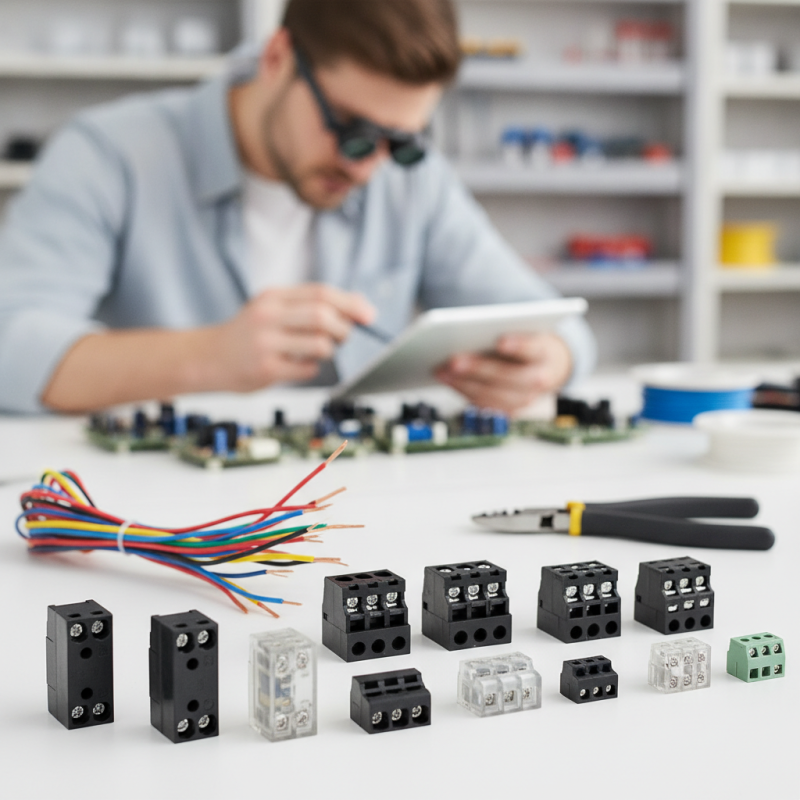
Understanding Barrier Terminal Blocks and Their Applications
Barrier terminal blocks play a crucial role in electrical connections. They provide a safe and efficient means to join wiring. Understanding their structure and applications can help in making informed decisions when choosing the right type for your project.
These blocks are designed with insulated barriers that separate the wiring connections. This feature enhances safety and reduces the risk of electrical faults. For example, they often find use in power distribution panels or control cabinets. Their versatility allows for a variety of wire sizes and configurations. However, selecting the right barrier terminal blocks can be tricky. Factors such as current rating, mounting options, and environmental conditions should all be considered.
Applications vary widely across industries. In automotive settings, they secure connections that withstand vibrations. In industrial automation, these blocks ensure reliable signals in complex machinery. While the benefits are clear, one should be cautious about compatibility with existing systems. Overlooking these details could lead to inefficiencies or accidents. A thorough review of your specific needs and existing infrastructure is essential for optimal performance.
Key Factors to Consider When Choosing Barrier Terminal Blocks
Choosing the right barrier terminal blocks is crucial for any electrical project. When it comes to selecting these components, several key factors must be evaluated. One of the most important aspects is the current and voltage ratings. Each application has specific requirements, and using the wrong ratings can lead to failures. Always check the specifications to ensure compatibility with your system.
Another critical consideration is the material. Barrier terminal blocks are available in various materials, including plastic and metal. Each material has different properties, such as resistance to heat and corrosion. It's essential to assess the environment where the blocks will be used. For instance, a humid setting may require materials that resist moisture.
Ease of installation also matters. Some blocks feature screw terminals, while others use push-in technologies. If you're not experienced, select a type that simplifies the installation process. Moreover, it’s important to reflect on the layout of your workspace. A cramped area may limit your choices, leading to operational difficulties. Take time to think about what will work best for you.
Types of Barrier Terminal Blocks and Their Features
Barrier terminal blocks are essential in electrical applications. They offer a safe and organized way to connect wires. Different types of barrier terminal blocks serve various needs. Understanding their features is key to making the right choice.
One common type is the screw-type barrier terminal block. These blocks use screws to secure wires. This method ensures a solid connection but can take time during installation. Push-in terminal blocks are another option. They allow for quicker wire insertion and removal. This feature makes them user-friendly but may not be suitable for all environments.
Isolation barrier terminal blocks provide enhanced safety by separating connections. They prevent unintended short circuits. However, they may require more space on control panels. Choosing the right type depends on your specific requirements, such as ease of use and safety features. It's essential to evaluate your setup and consider any potential challenges during installation.
Evaluating Electrical Ratings and Specifications
When selecting barrier terminal blocks, electrical ratings and specifications are crucial considerations. Understanding voltage and current ratings helps ensure the components can handle the intended loads. Components should align with the specific requirements of your project. Pay attention to the environment where the terminal blocks will be used. Factors like temperature and humidity can affect performance.
Tips: Always check if the terminal block’s insulation can withstand your application. Also, consider its thermal properties to avoid overheating.
Another important aspect is the connection type. You might choose between screw, spring, or push-in connections. Each has its advantages and disadvantages. An improperly chosen connection can lead to future issues.
Tips: Evaluate your assembly and disassembly needs. If you perform frequent changes, opt for more user-friendly options. Avoid designs that make maintenance difficult.
Additionally, look for standardization in your selections. Using terminal blocks that conform to industry standards will enhance reliability. It’s essential for long-term stability in your electrical system.
Tips: Don’t hesitate to consult with professionals if unsure. They can provide insights on specifications that you might overlook. Always prioritize safety and performance in your choices.
Installation and Maintenance Tips for Barrier Terminal Blocks
When working with barrier terminal blocks, proper installation is critical. Ensure that the surface is clean and free of dust. This prepares a stable base for the terminal blocks. Use appropriate tools like screwdrivers, as they help in achieving secure connections. Over-tightening can cause damage, so maintain a balanced pressure.
Regular maintenance is essential for safety and longevity. Inspect the terminal blocks periodically for signs of corrosion or wear. Clean the connections gently with a soft cloth to prevent dirt build-up. If connections feel loose over time, recheck and tighten if needed. However, don’t ignore abnormal heat or discoloration. These signs can indicate underlying problems that require immediate attention. Ignoring such issues may lead to failure.
Working with barrier terminal blocks presents challenges. Each installation might reveal unique quirks. Some professionals encounter unexpected wiring issues. Others face challenges with space constraints. Embracing these hurdles with a problem-solving mindset is vital. This helps in achieving a more reliable electrical system. Each experience reinforces learning, which is essential for growth in this field.



 © Copyright 2020 Tianjin Tanghaidongyang Valve Co., Ltd. All Rights Reserved.