How to Choose the Right Gate Valves for Your Plumbing Needs?
Choosing the right gate valves for plumbing is crucial. A well-selected valve can enhance efficiency and longevity in plumbing systems. According to the Fluid Control Industry Report 2023, approximately 40% of plumbing failures are linked to improper valve selection. This statistic highlights the significance of understanding valve types.
Expert in the field, Dr. Emily Carter, states, “Selecting fitting gate valves affects overall performance.” Gate valves regulate flow effectively when fully open or closed. However, using them for throttling can lead to wear and deterioration. Many users overlook this important detail.
Understanding the specific needs of your project will assist in making better choices. Assess the pressure requirements and the fluid type accurately. Often, individuals compromise quality for price. This oversight can lead to costly repairs in the long run. Ultimately, the right gate valves can save time and resources when chosen wisely.

Understanding Gate Valves: Types and Functions
Gate valves are essential components in plumbing systems, playing a crucial role in controlling water flow. There are mainly two types of gate valves: wedge and parallel. Wedge gate valves feature a tapered wedge that creates a seal when closed. Conversely, parallel gate valves use two flat plates to control the flow. Understanding these two designs is vital for making informed choices.
When selecting a gate valve, consider their materials. Common choices include stainless steel, cast iron, and PVC. According to recent industry reports, stainless steel valves are preferred in high-pressure applications for their durability and resistance to corrosion. Cast iron is popular for larger installations, while PVC is widely used in residential setups due to its cost-effectiveness. Each material comes with specific strengths and drawbacks.
One common issue with gate valves is that they can become stuck over time. This happens due to sediment build-up or corrosion, affecting their functionality. Regular maintenance is often overlooked. It's important to check your valves periodically to ensure they operate smoothly. While gate valves are reliable, it is crucial to be aware of their limitations to avoid future plumbing headaches.
Key Factors to Consider When Choosing Gate Valves
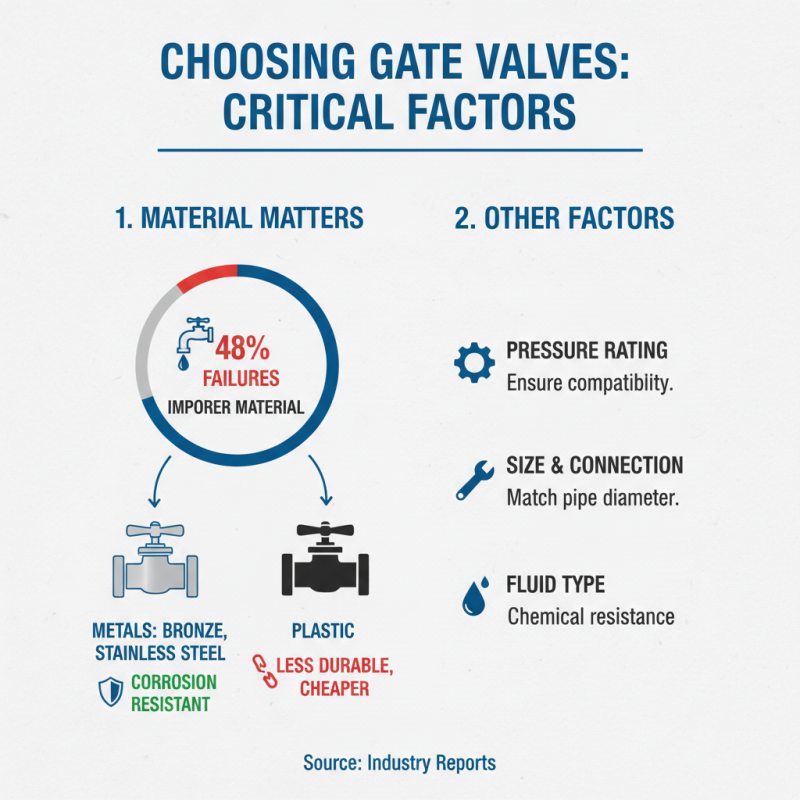
Choosing the right gate valves involves several critical factors. One key consideration is the material. Most gate valves are made from metal or plastic. According to industry reports, 48% of failures in water systems are linked to improper material selection. Metals like bronze or stainless steel resist corrosion effectively. Plastic valves might be cheaper but often lack durability.
Another essential factor is the size of the valve. Sizing should match your plumbing system's requirements. A valve too small can restrict flow, leading to pressure issues. Conversely, oversized valves may lead to inefficient operation. Reports show that almost 30% of plumbing issues stem from improper sizing. Make sure to check pipe diameter and flow rate before making a decision.
Finally, consider the valve's pressure rating. It should exceed the maximum system pressure. Too often, users overlook this, leading to valve failure. It's crucial to select valves rated for at least 1.5 times the system's pressure. Many installations compromise safety by incorrect pressure ratings. Keep these factors in mind while choosing, and consider the long-term implications of your choices.
Materials and Construction: Selecting the Right Valve for Durability
When selecting gate valves, material and construction play crucial roles.
Brass and stainless steel are popular choices.
They offer excellent durability and corrosion resistance. On the other hand, PVC valves
are lightweight and inexpensive. However, they might not withstand high temperatures or pressures.
Consider the environment where the valve will be used. For outdoor applications,
weather-resistant materials are essential.
For instance, if installed underground, the valve should resist soil corrosion.
It is important to choose a valve that fits your specific needs. Skimping on quality may lead to expensive
maintenance or replacements down the road.
Another factor to keep in mind is the valve size.
Ensure it matches your piping system. An improperly sized valve can lead to significant flow issues. Frequent adjustments
or replacements can occur when errors are present. Always double-check specifications
before making a decision. A little extra effort in the selection process can save you major headaches later.
Common Applications of Gate Valves in Plumbing Systems
Gate valves are commonly used in plumbing systems, serving various important functions. They are primarily designed to start or stop the flow of liquids. This makes them essential in water supply, irrigation, and industrial applications. According to the American Society of Mechanical Engineers (ASME), nearly 30% of plumbing system failures are due to valve issues. Therefore, selecting the right gate valve is critical.
In residential plumbing, gate valves are often installed in water supply lines. They allow homeowners to easily shut off water during repairs. In commercial settings, they are frequently used in heating systems. The U.S. Department of Energy reports that 40% of energy losses in these systems can be attributed to improper valve selection. This highlights the importance of matching gate valve specifications to system requirements.
Issues can arise when gate valves are incorrectly installed or sized. Some may experience corrosion, while others might not seal properly. This can lead to leaks and increased maintenance costs. According to a study by the International Water Management Institute, poor valve choices contribute to 15% of water wastage in plumbing systems. Making informed decisions can minimize these challenges.
How to Choose the Right Gate Valves for Your Plumbing Needs? - Common Applications of Gate Valves in Plumbing Systems
| Application |
Pipe Size |
Material |
Pressure Rating |
Temperature Rating |
| Water Supply |
1 inch |
Brass |
150 psi |
180°F |
| Heating Systems |
3/4 inch |
Cast Iron |
200 psi |
250°F |
| Sewage Systems |
2 inch |
PVC |
100 psi |
140°F |
| Irrigation Systems |
1.5 inch |
Aluminum |
150 psi |
100°F |
| Fire Protection Systems |
2.5 inch |
Bronze |
300 psi |
200°F |
Maintenance Tips for Ensuring Optimal Valve Performance
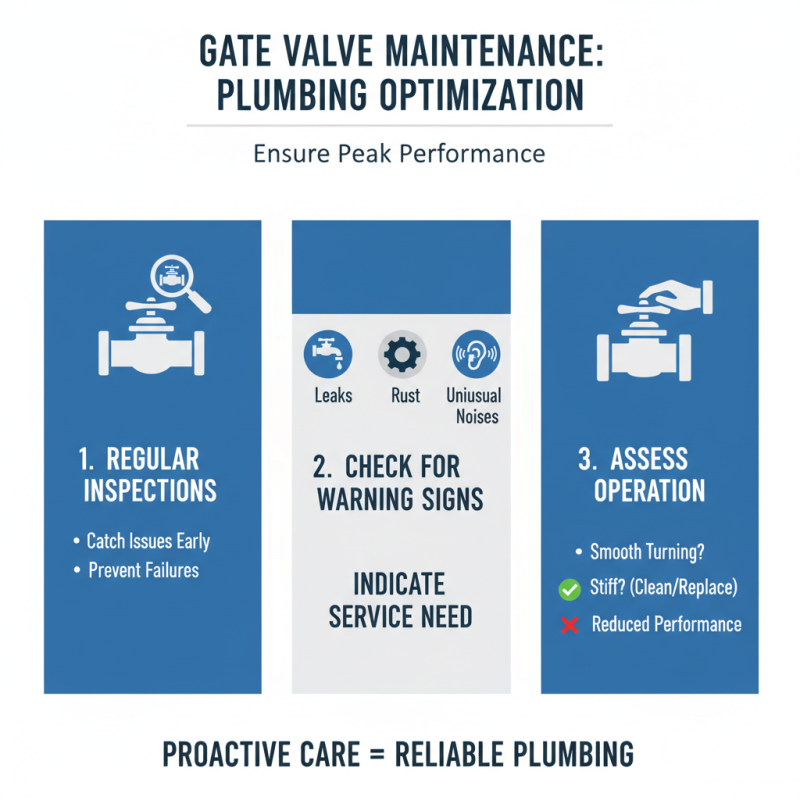
Maintaining gate valves is essential for optimal performance in plumbing systems. Regular inspections can catch issues early. Look for signs of leaks, rust, or unusual noises. These can indicate it’s time for service. It’s also crucial to check the valve operation. Is it turning smoothly? If not, it may need cleaning or replacement.
Proper lubrication is key. Use a suitable lubricant to ensure smooth operation. However, don’t overdo it. Excessive lubricant can cause debris build-up. Flushing the valve regularly helps prevent sediment accumulation. This process can extend the valve's lifespan significantly.
Sometimes, valve malfunctions happen unexpectedly. Be prepared for occasional challenges. Have replacement parts handy for emergencies. When in doubt, consult a plumbing professional. They can offer advice tailored to your specific needs. Regular care can make a big difference.




 © Copyright 2020 Tianjin Tanghaidongyang Valve Co., Ltd. All Rights Reserved.