How to Choose the Best Cleated Conveyor Belt for Your Needs?
Choosing the right Cleated Conveyor Belt can be challenging. With numerous options available, it's essential to understand your specific needs. A Cleated Conveyor Belt is designed to move products efficiently, especially in inclined or vertical applications. However, not all cleated belts are created equal.
Consider the material of the belt. Different industries require specific materials to handle various loads and conditions. For instance, food processing belts must meet strict hygiene standards. The cleat design is also crucial. High cleat profiles may be necessary for steep inclines, while lower profiles might suffice for gentler slopes.
End-users often overlook the importance of testing the belt in their environment. This can lead to suboptimal performance. Additionally, maintenance plays a vital role in longevity. Regular checks can prevent unexpected breakdowns. Thus, when selecting a Cleated Conveyor Belt, keep in mind these practical aspects to ensure a reliable and efficient solution.
Understanding the Functionality of Cleated Conveyor Belts
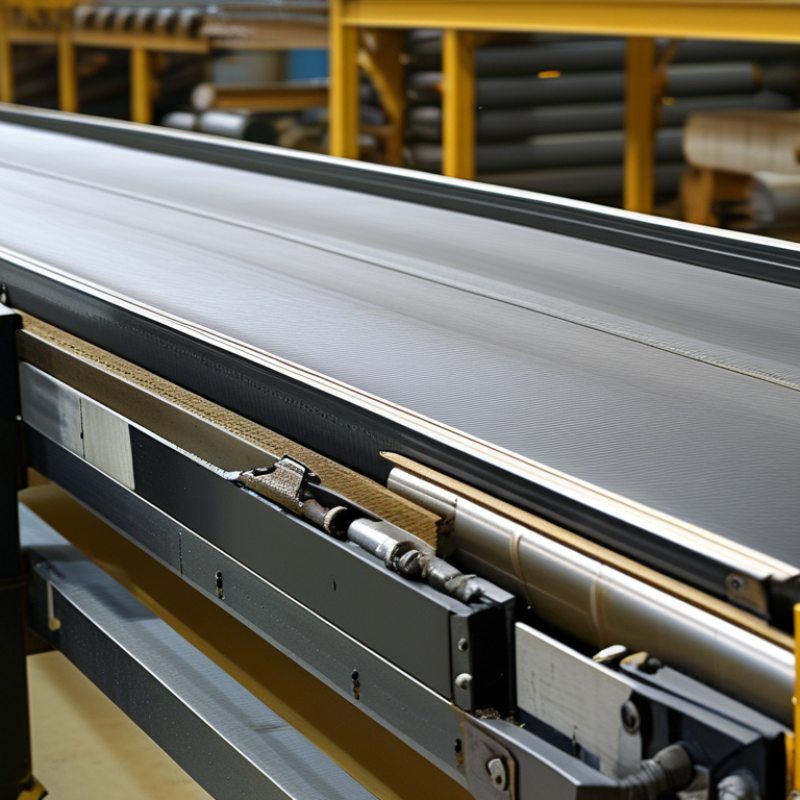
Cleated conveyor belts are essential in material handling. These belts are designed with raised sections, or cleats, that help carry materials at an incline. The functionality of cleated conveyor belts is crucial when dealing with bulk materials or items that need to be transported securely. Research indicates that using cleated belts can reduce material slip and increase overall efficiency by up to 30%.
The design of these belts is tailored to match specific applications. Different cleat heights and configurations are available to suit various materials, from granular substances to packaged products. A report by the Conveyor Equipment Manufacturers Association states that selecting the appropriate cleat design can improve operational reliability. However, not all conditions are ideal. For instance, using a belt with insufficient height cleats may lead to material spillage.
In some cases, users overlook maintenance needs. Regular inspection is vital to ensure optimal performance. Wear and tear on cleats can hinder functionality. If cleats are worn, they may not be effective in preventing slippage, which can result in downtime. A balance between belt material, cleat design, and application type must be achieved. Failure to do so can lead to inefficiencies or increased operational costs.
How to Choose the Best Cleated Conveyor Belt for Your Needs?
| Belt Type | Material | Cleat Height (inches) | Load Capacity (lbs) | Application |
| Standard Cleated | PVC | 1 | 200 | Food Processing |
| Heavy-Duty Cleated | Rubber | 2 | 500 | Mining |
| Modular Cleated | Polypropylene | 1.5 | 300 | Packaging |
| Cleated Incline | Nylon | 1.2 | 250 | Textiles |
| Food Grade Cleated | Polyurethane | 1 | 150 | Pharmaceutical |
Identifying the Specific Requirements for Your Application
When selecting a cleated conveyor belt, understanding your specific application is crucial. Factors like load type, material properties, and environmental conditions play significant roles. For instance, a report from the Conveyor Equipment Manufacturers Association (CEMA) highlights that over 50% of conveyor belt failures stem from improper selection.
You must assess the load’s weight and shape. For bulk materials, cleat height and spacing should support the load while preventing slippage. Research shows that a cleat height of 2 inches can effectively handle incline applications for materials weighing up to 1,000 lbs per cubic yard. Additionally, consider the temperature range and moisture levels in your environment. Over 40% of operations experience degradation in belt life due to unsuitable material choices. Using belts designed for harsh conditions can increase lifespan substantially.
Moreover, installation techniques also matter. A poorly aligned belt can lead to accelerated wear. Maintenance records suggest that a straight-running belt can last 30% longer than one that is misaligned. Evaluating these specifics can significantly enhance your operational efficiency and reduce costs over time.
Evaluating Material Compatibility for Cleated Conveyor Belts
Choosing the right cleated conveyor belt involves careful consideration of material compatibility. Different materials react uniquely to various substances. For example, rubber is often used for versatility, while polyurethane offers excellent wear resistance. Understanding these nuances is essential.
When selecting a conveyor belt, think about the products it will handle. Are they heavy or abrasive? Will they generate heat? This influences the belt material. Certain materials can degrade when exposed to chemicals or temperature extremes. Additionally, friction is crucial. High-friction materials can prevent slippage but may wear faster.
It's also important to monitor how the belt interacts with the environment. Some belts may become brittle in cold settings, while others perform poorly in humid conditions. Testing the belt’s performance under your specific conditions is vital. Gathering feedback from users can reveal vital insights. Evaluating these factors ensures you make informed decisions for your operations.
Comparing Different Cleat Designs for Optimal Performance
When selecting a cleated conveyor belt, the design of the cleats is crucial. Different cleat designs cater to various applications. For instance, higher cleats are ideal for steep inclines. They grip materials effectively, reducing slippage during transport. Meanwhile, lower cleats might be better for flat surfaces, as they support lighter loads.
It's essential to examine the size and shape of cleats. Wider cleats can handle bulkier items, while narrower ones fit more tightly. Each design brings its own strengths and weaknesses. Testing cleats with your specific material often reveals their performance in real conditions. Keep in mind that not every cleat design works well for every product.
Tips for choosing the right cleat design include evaluating your material's weight and size first. Next, consider the incline of your conveyor system. Adjusting the cleat height for different materials may also be necessary. Finally, always seek feedback from operators. Their insights can highlight practical issues that design specs miss, leading to improvements.
Comparison of Cleat Designs for Conveyor Belts
Considering Installation and Maintenance Factors for Conveyor Belts
When choosing a cleated conveyor belt, installation and maintenance are critical factors to consider. Proper installation ensures optimal performance and extends the life of the belt. Measure the space accurately before installation. Ensure the belt fits snugly with the correct tension. A misaligned belt can lead to premature wear or malfunction. Sometimes, the ideal fit requires adjustments, so don’t overlook this step.
Regular maintenance is essential for a conveyor belt's longevity. Scheduling periodic inspections can prevent expensive breakdowns. Check for wear and tear on cleats and edges. Cleaning the belt is vital; debris can cause friction and damage. Even minor issues, if ignored, can lead to significant problems. Take time to document maintenance activities. This creates an informative history and can guide future care.
Incorporating user feedback into your maintenance routine can provide valuable insights. Each installation may present unique challenges, and learning from past experiences is beneficial. A proactive approach not only enhances efficiency but also reduces costly downtime in the long run.


 © Copyright 2020 Tianjin Tanghaidongyang Valve Co., Ltd. All Rights Reserved.